The pearl journal
A little knowledge. A better choice.
Explore the world of pearls, from your first questions to the finer details. Find a topic, start with an essential guide, or browse the complete journal.
Find your subject
Explore by topic
Follow your curiosity. Start here.
Pearl Types & Comparisons
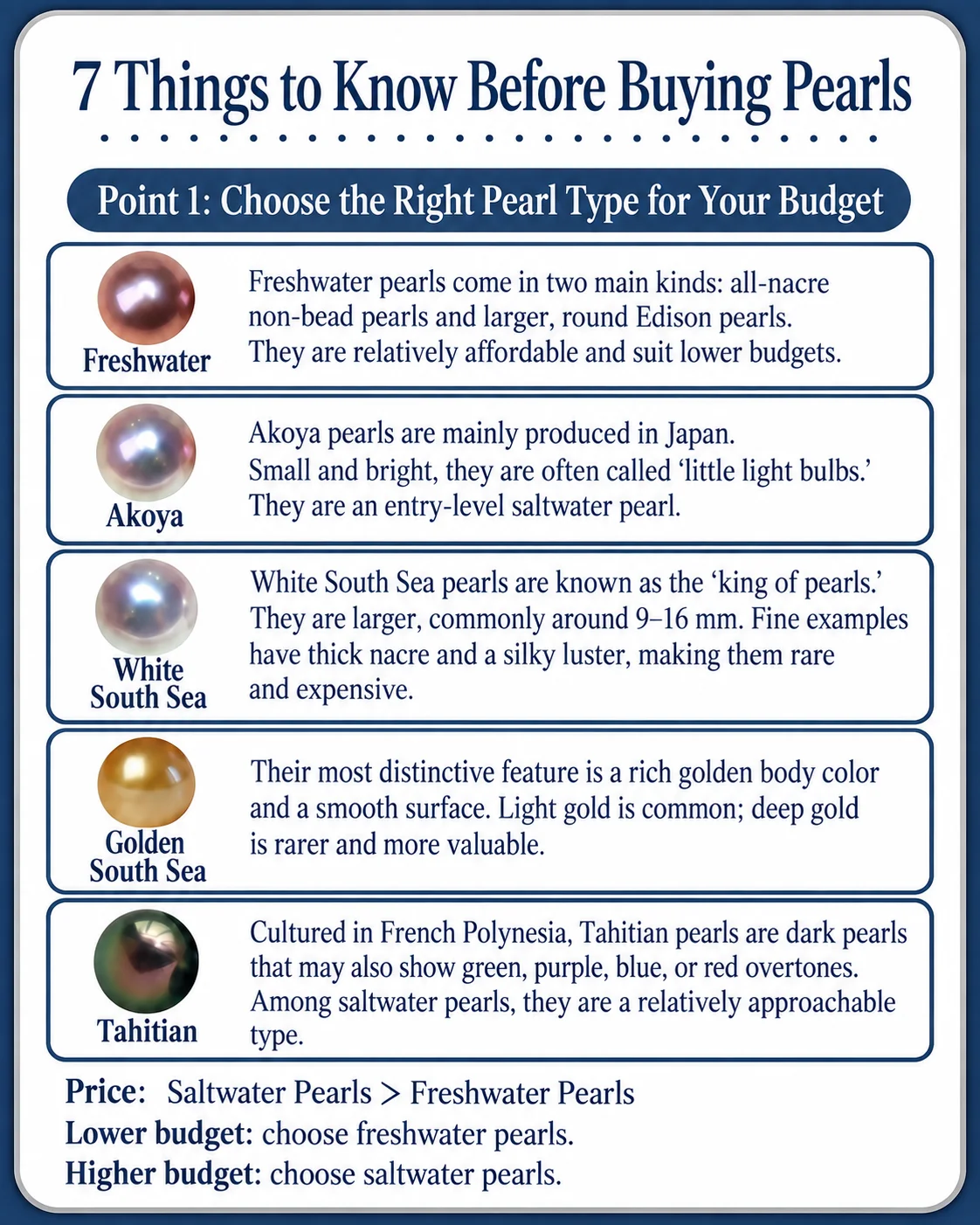
Explore freshwater, Akoya, Tahitian and South Sea pearls, with clear comparisons of their shapes and origins.
Explore topicQuality, Treatments & Identification
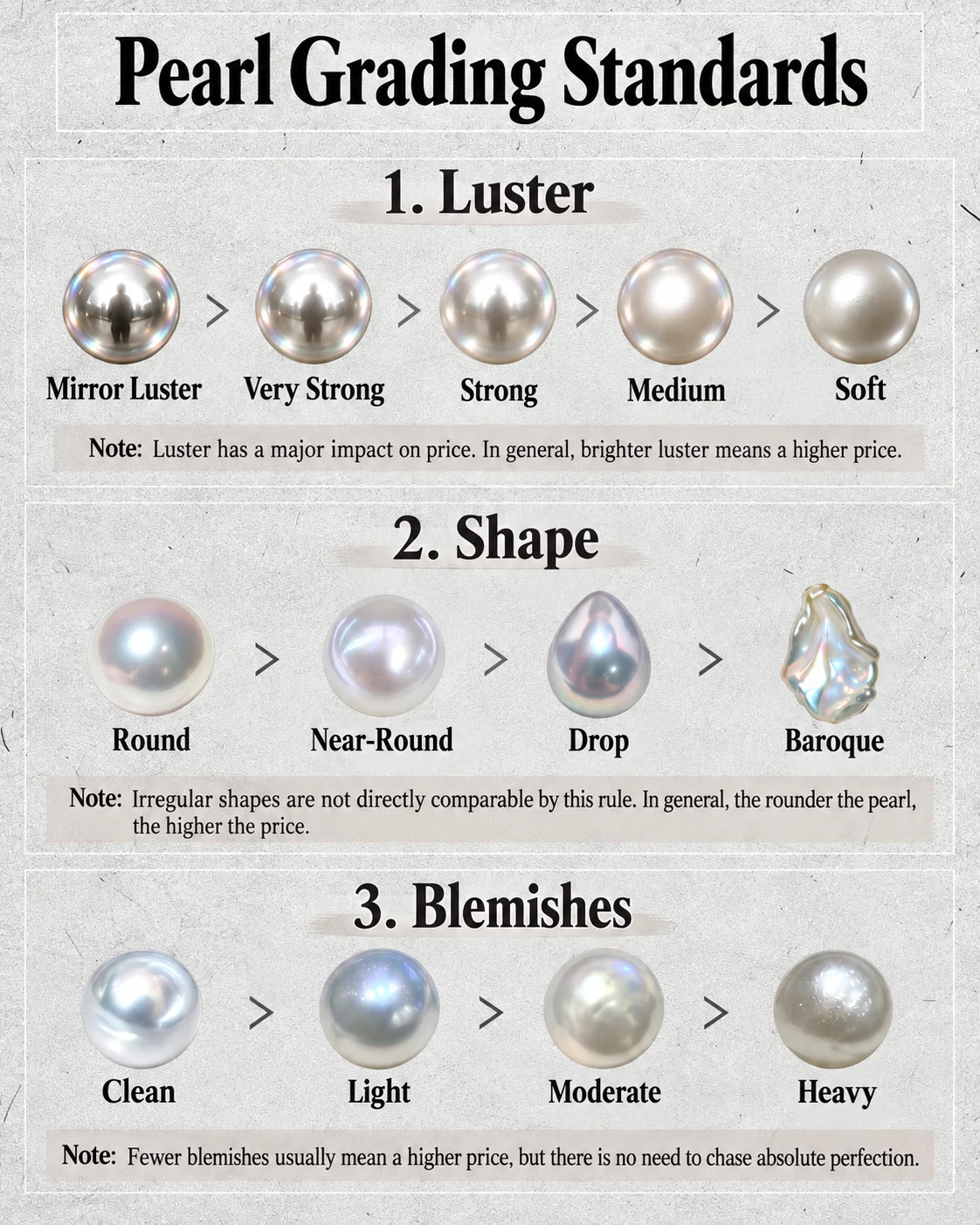
Understand luster, grading, treatments and the details that help you identify a pearl.
Explore topicBuying & Value
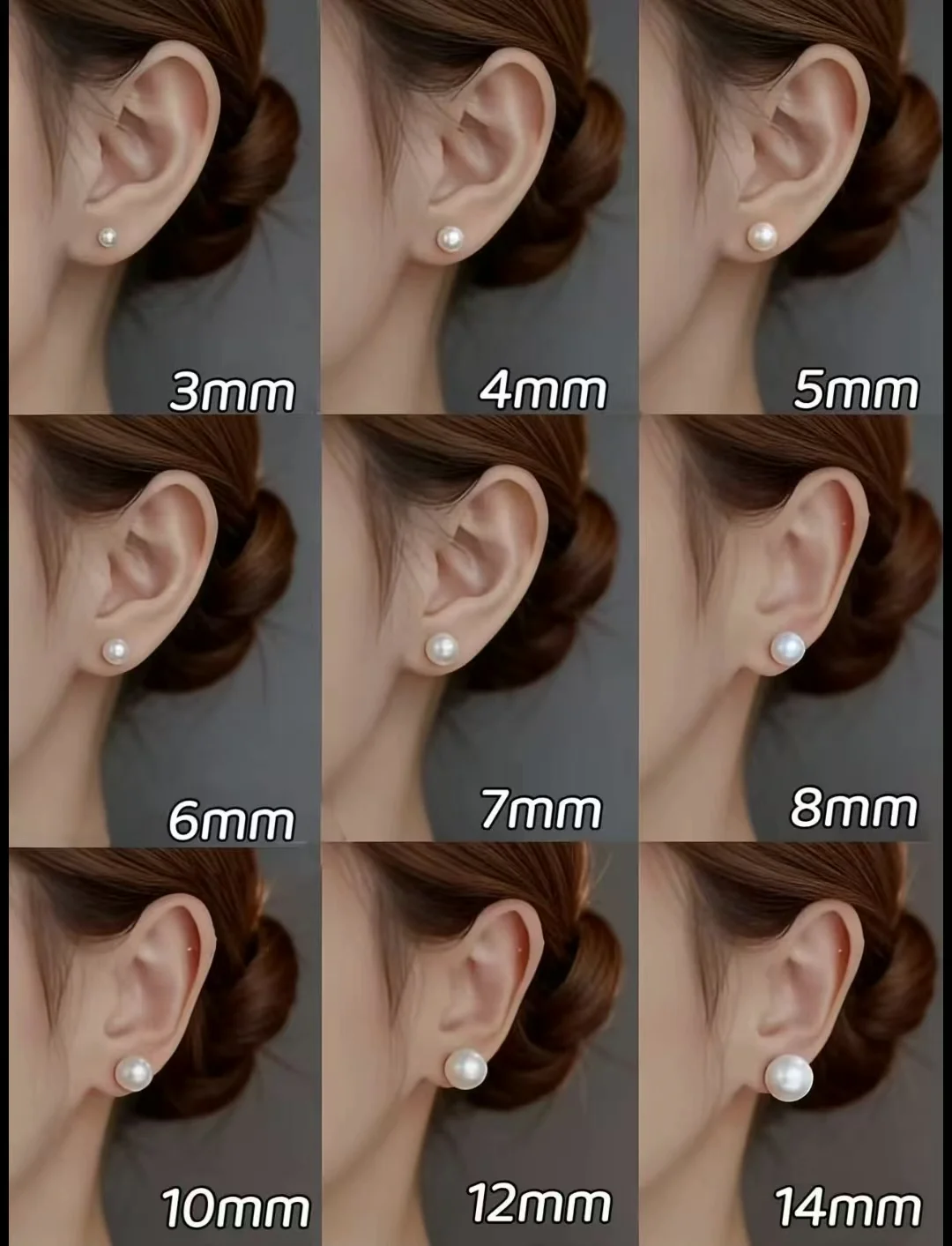
Make an informed choice with practical advice on size, quality, budgets and value.
Explore topicPearl Care & Maintenance
Keep your pearls looking their best with everyday cleaning, wearing and storage advice.
Explore topicWholesale & Making
Guidance for jewelers and makers, from sourcing pearl materials to drilling and matching.
Explore topicJewelry Styling & Stories
Discover styling ideas, jewelry traditions and the stories behind remarkable pearls.
Explore topicPearl Academy
Build your knowledge step by step with our pearl identification course and its 24 lessons.
Explore topicA good place to begin
Essential pearl guides
Practical foundations for choosing and enjoying pearls.
Keep exploring
The complete article archive
Showing 24 of 319 articles
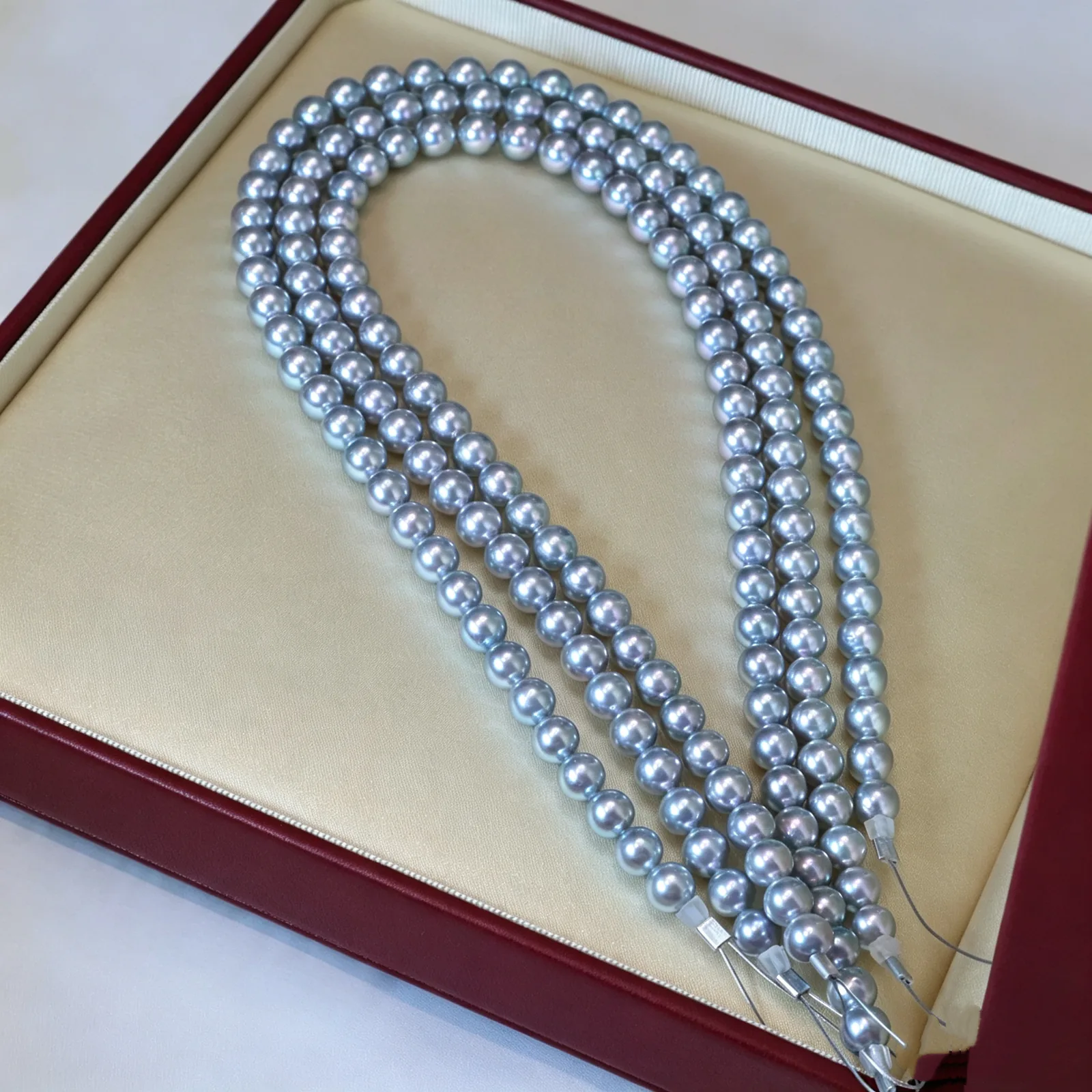 Buying & Value
A Complete Beginner’s Guide to Buying Pearls: Types, Quality, Size, Budget, and Common Pitfalls
Buying pearls for the first time? Learn how to compare pearl types, quality, size and budget, and avoid the mistakes that lead to poor-value purchases.
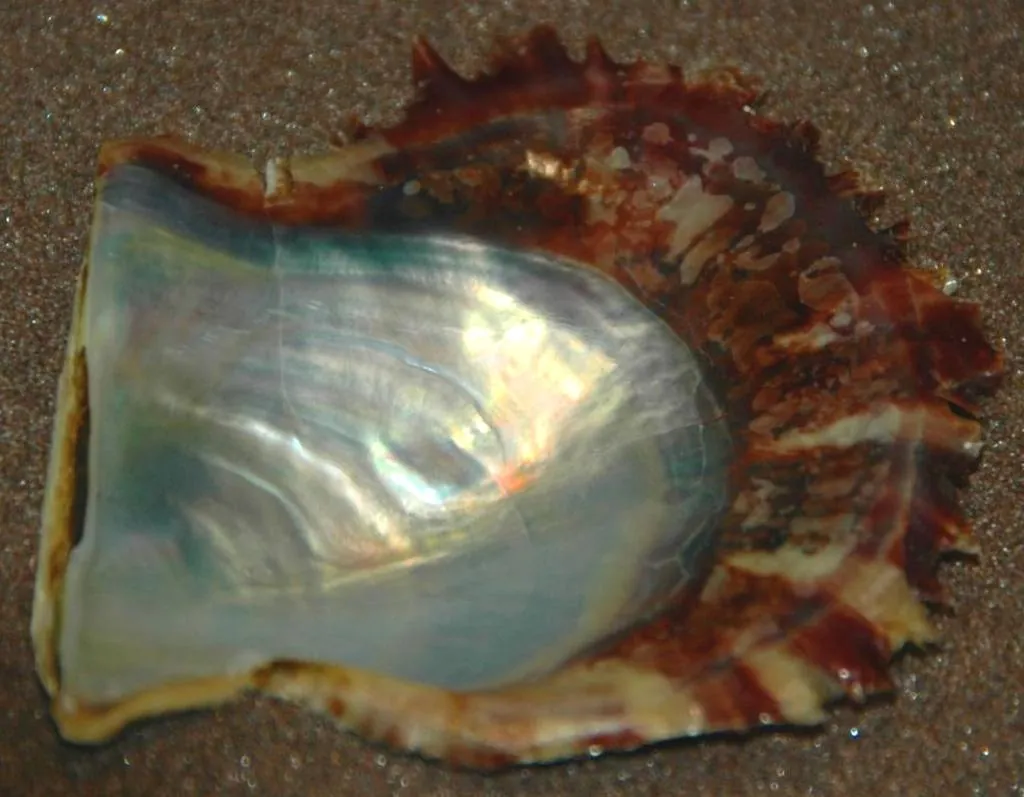 Pearl Types & Comparisons
Akoya Pearls: Oyster Species, Structure, and Typical Market Positioning
Learn which oyster produces Akoya pearls, how their bead-and-nacre structure forms, and why Akoya occupies a classic fine-jewelry position in the pearl market.
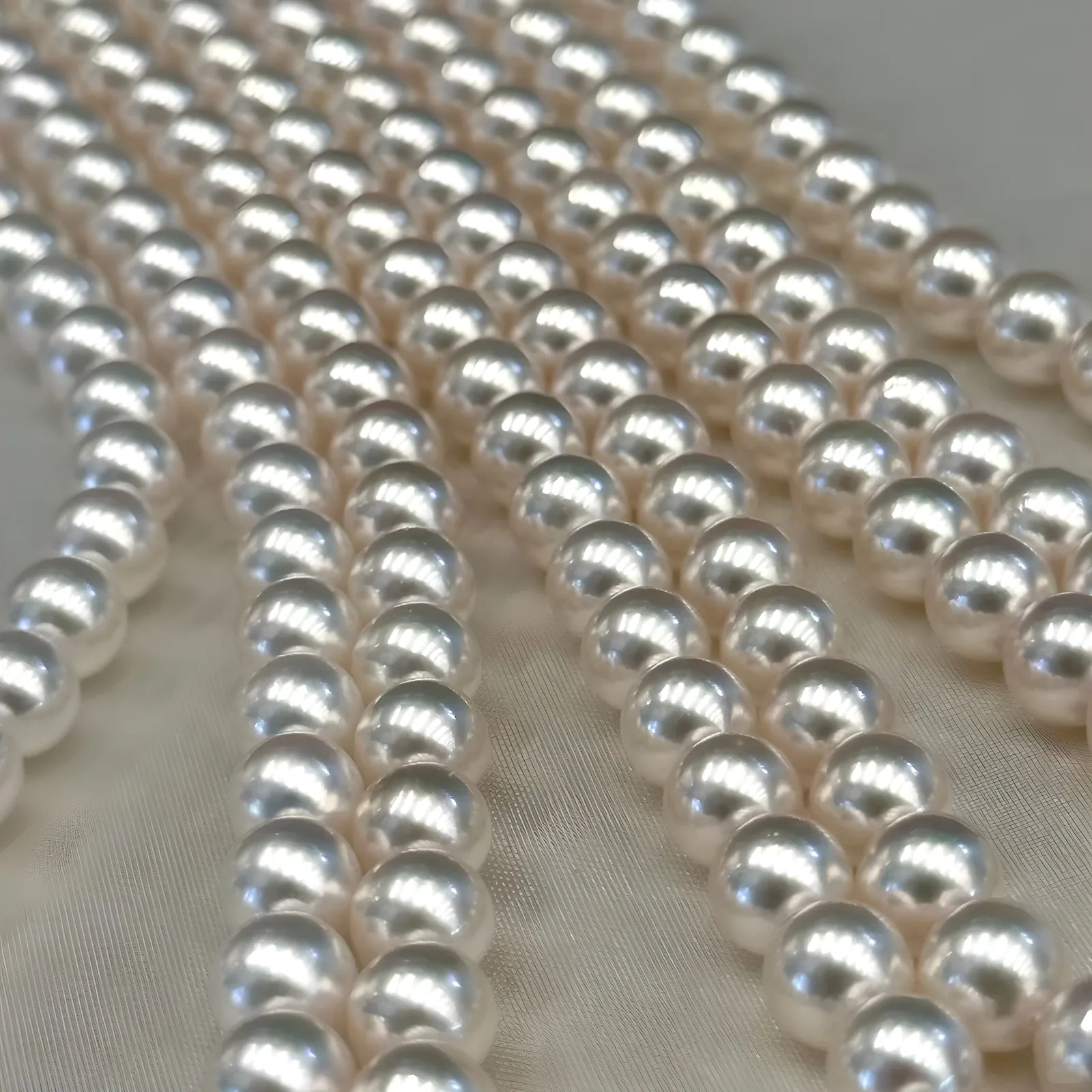 Quality, Treatments & Identification
Akoya Tennyo Pearls in the Context of Grading Certificates
Learn what Aurora Tennyo means on an Akoya pearl certificate, how it relates to Aurora Hanadama, and what buyers should verify before paying a premium.
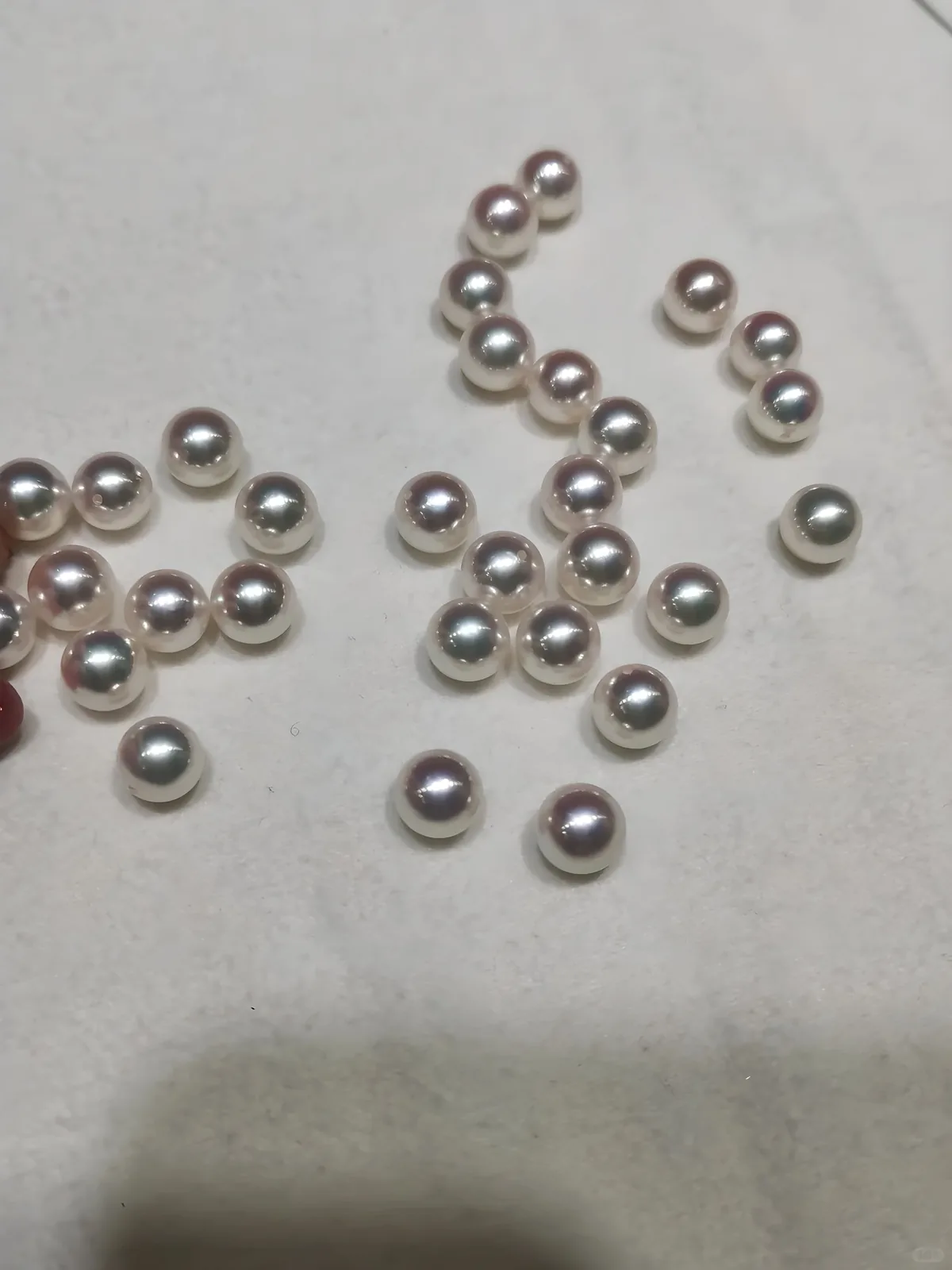 Quality, Treatments & Identification
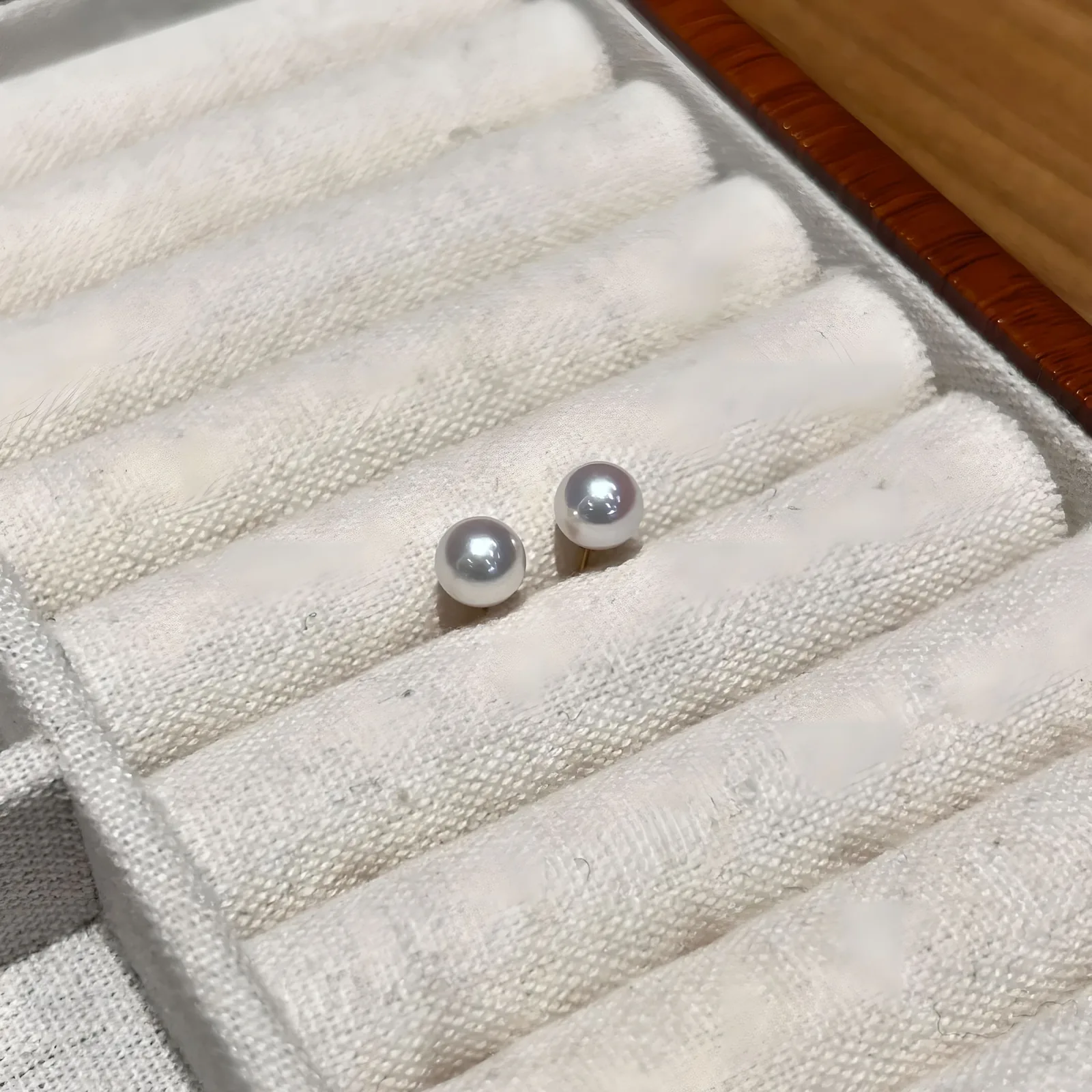
Are Akoya Madama Pearls the Highest Grade?
Madama is a highest-quality designation for blue-series Akoya pearls under Japan’s PSL system, but it does not outrank Hanadama or Tennyo universally.
 Quality, Treatments & Identification
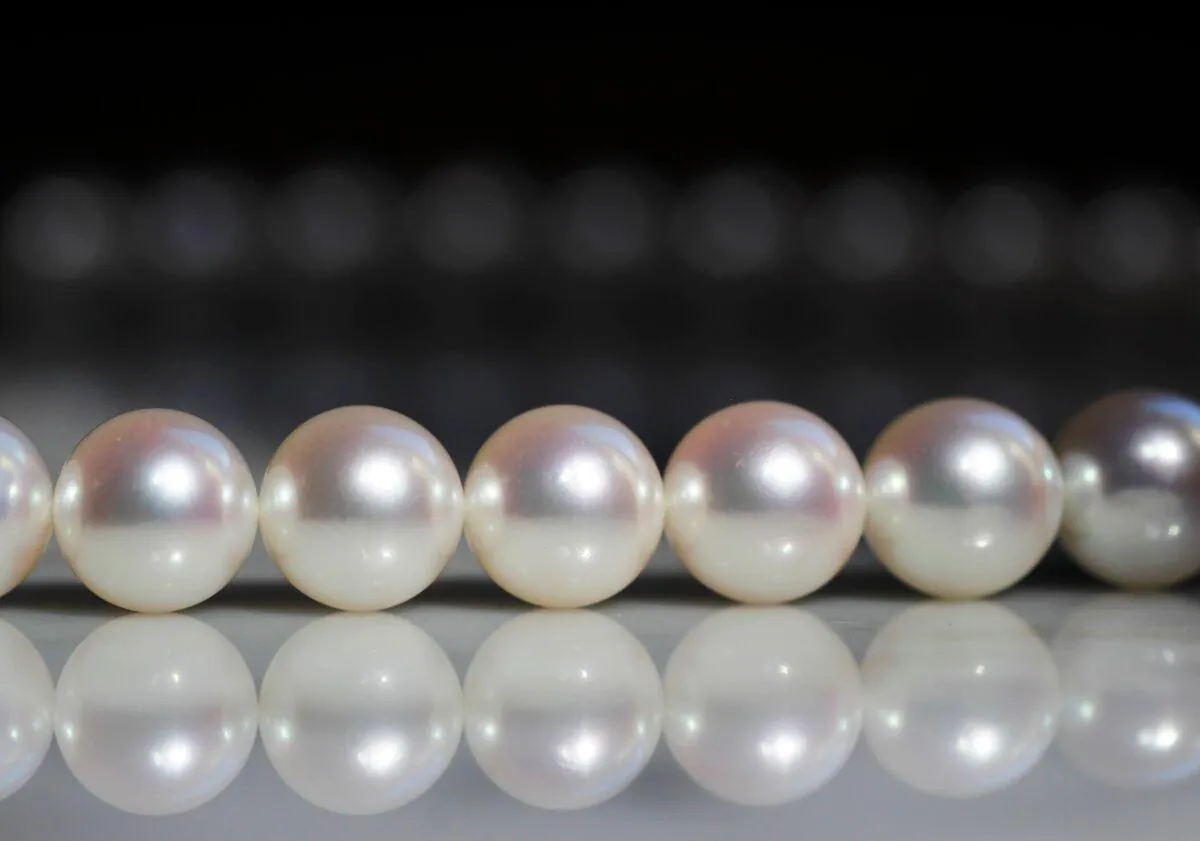
Are All Black Pearls Naturally Black?
Not all black pearls are naturally dark. Learn how Tahitian, Akoya, freshwater, and Sea of Cortez pearls differ, and how to judge treated color.
 Pearl Types & Comparisons
Are All Black Pearls Tahitian Pearls? What Other Types of Black Pearls Exist?
Not all black pearls are Tahitian. Learn how Tahitian, Sea of Cortez, black freshwater and black Akoya pearls differ—and which dark colors are treated.
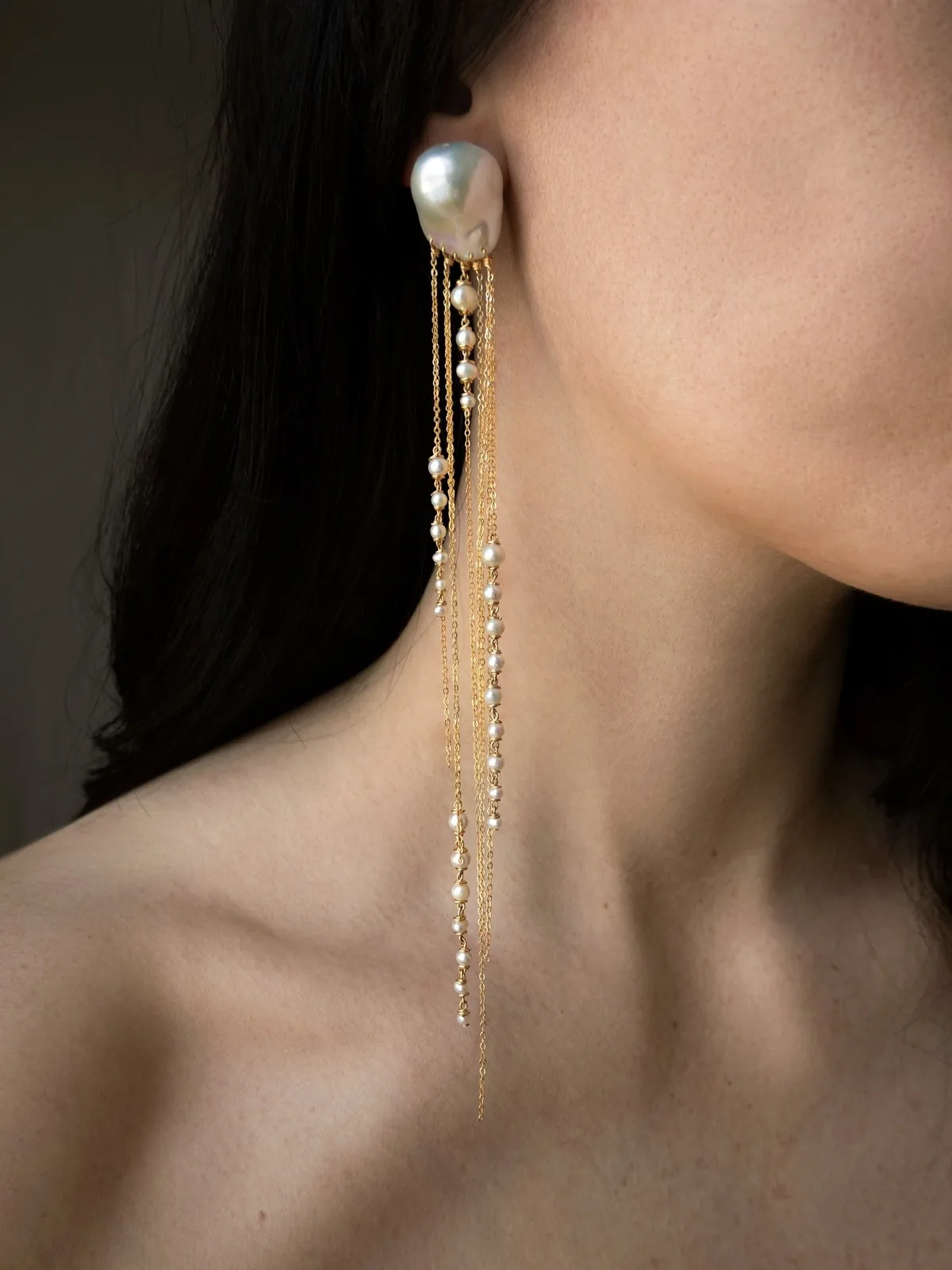
Pearl Types & ComparisonsAre All Blue Akoya Pearls Madama Pearls?
No. Blue Akoya describes a color category, while Aurora Madama is a specific top-quality designation. Learn the certification, size, and treatment differences.
 Pearl Types & Comparisons
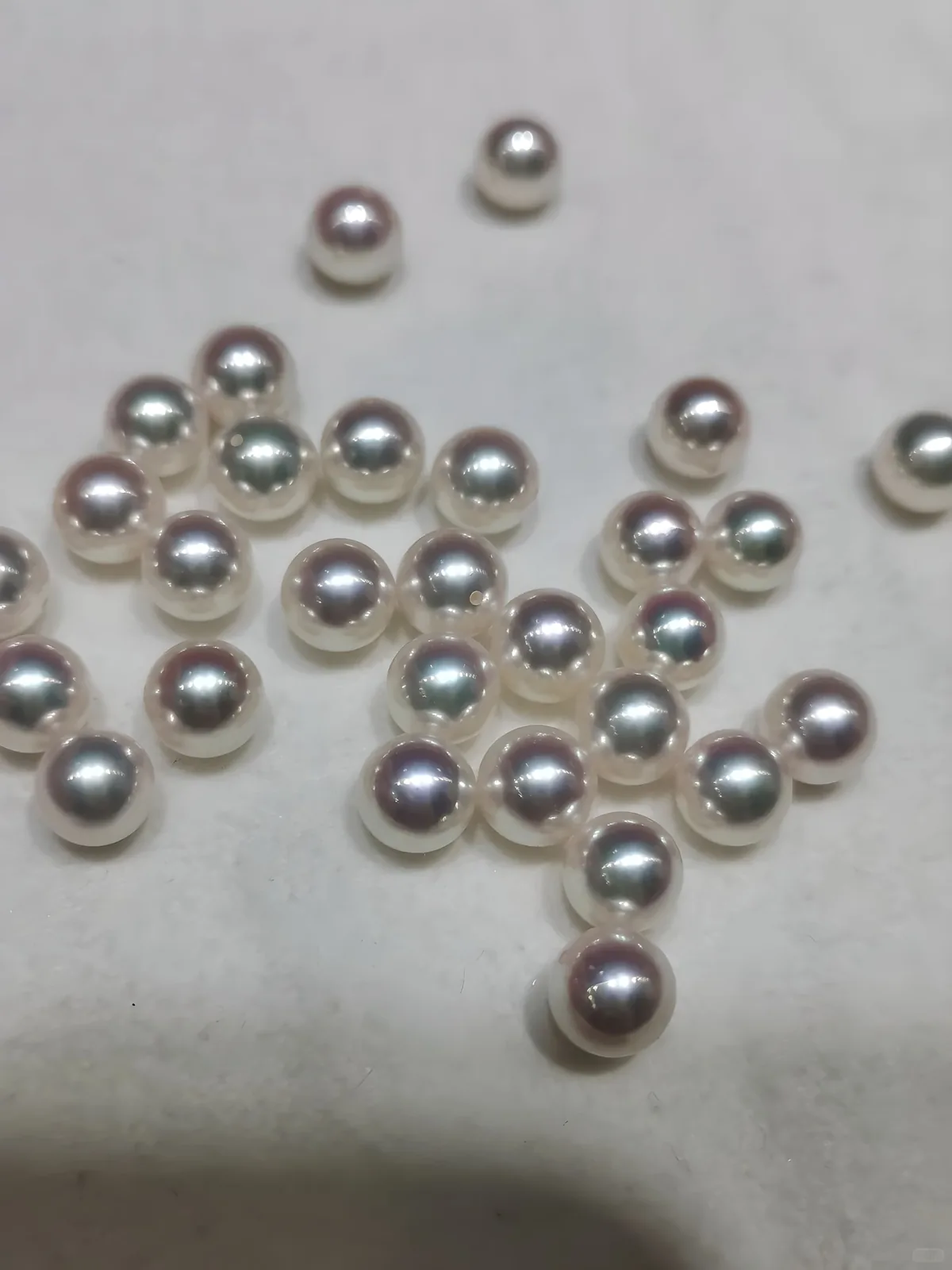
Are Baroque Pearls Simply “Non-Round Pearls”?
Not exactly. Learn why oval, button, drop and near-round pearls can be non-round without being baroque, and where semi-baroque pearls fit.
 Buying & Value
Are Drop-Shaped Pearls Expensive? What Determines Their Price?
Drop-shaped pearls are not automatically expensive. Learn how pearl type, symmetry, size, luster, surface quality, matching, and jewelry design affect price.
Buying & ValueAre Farmed Pearls Less Valuable?
Are farmed pearls less valuable? Learn why cultured pearls usually cost less than natural pearls, what actually determines their value, and why cultured does not mean low quality.
 Quality, Treatments & Identification
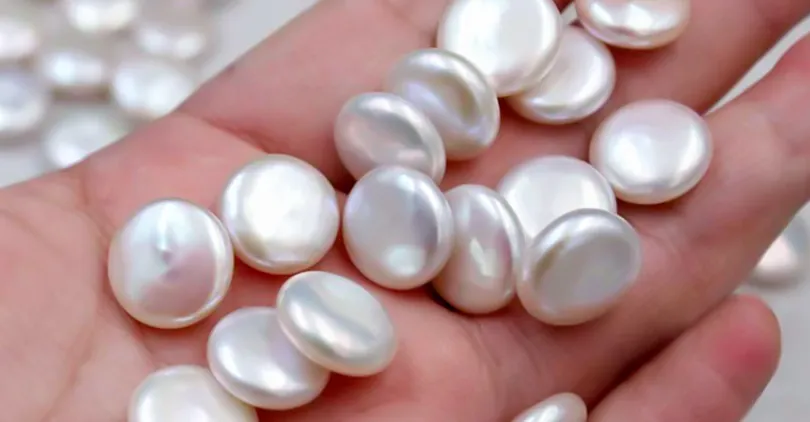
Are Half-Round Pearls Low Quality? What Jewelry Are They Suitable For?
Half-round pearls are not automatically low quality. Learn how semi-round, button-like and mabé pearls differ, what affects quality, and which jewelry suits each.
 Buying & Value
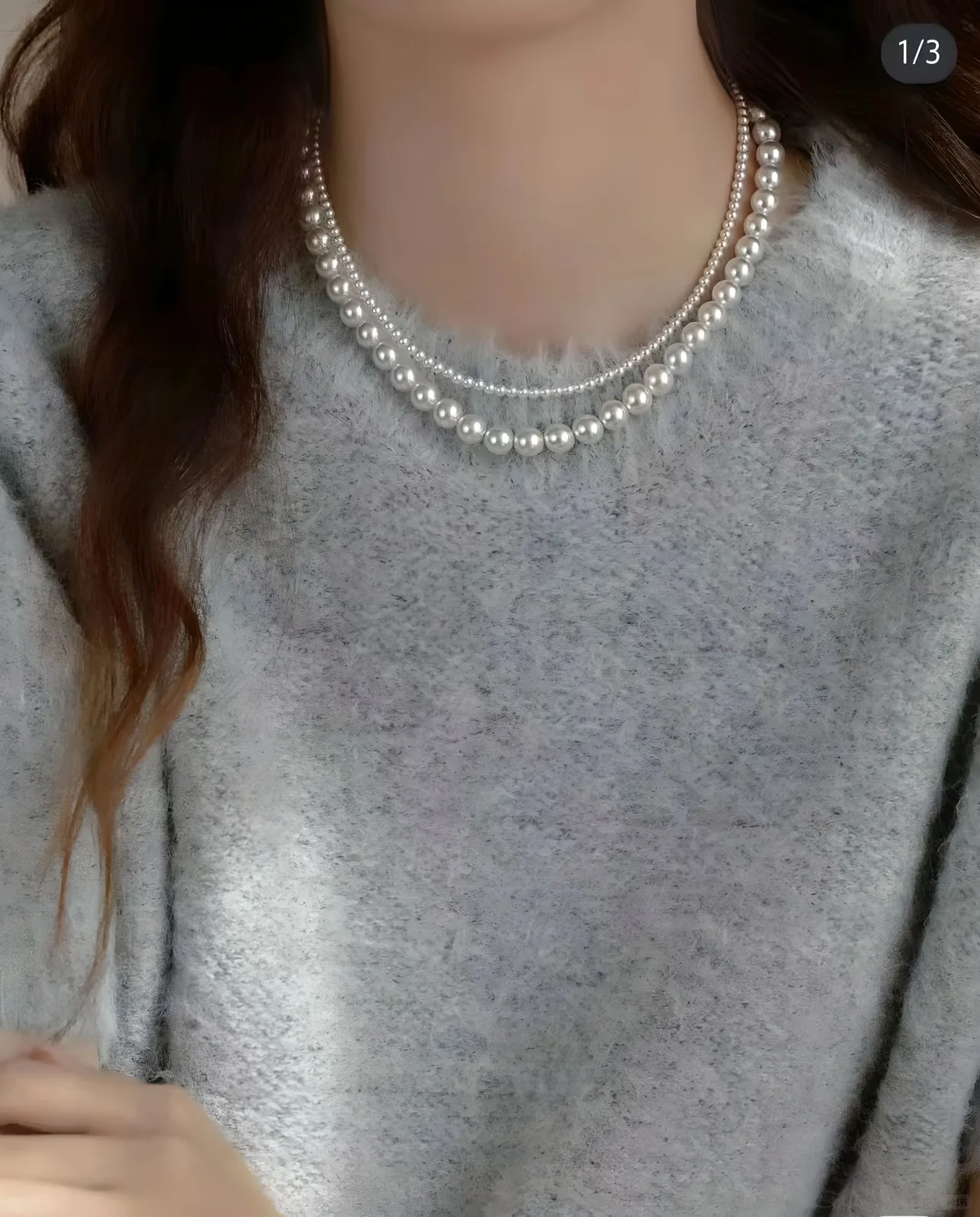
Are Inexpensive Pearls Worth Buying?
Are inexpensive pearls worth buying? Learn when low-priced pearls are good value, what quality compromises are reasonable, and which warning signs to avoid.
 Pearl Types & Comparisons
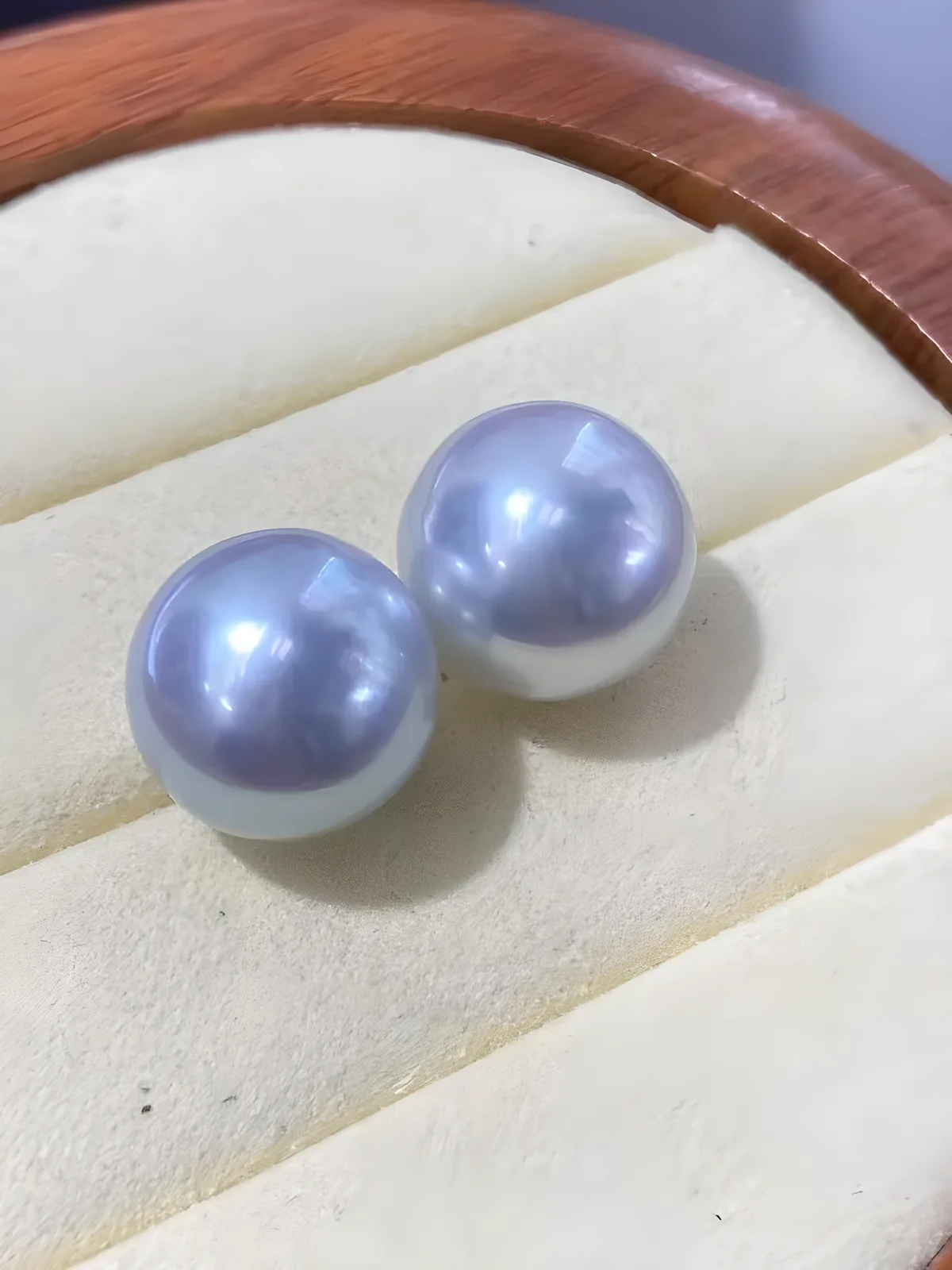
Are Most Pearls Today Cultured?
Yes. The vast majority of pearls in today’s jewelry market are cultured. Learn what cultured means, why it is not fake, and how it differs from natural pearls.
 Quality, Treatments & Identification
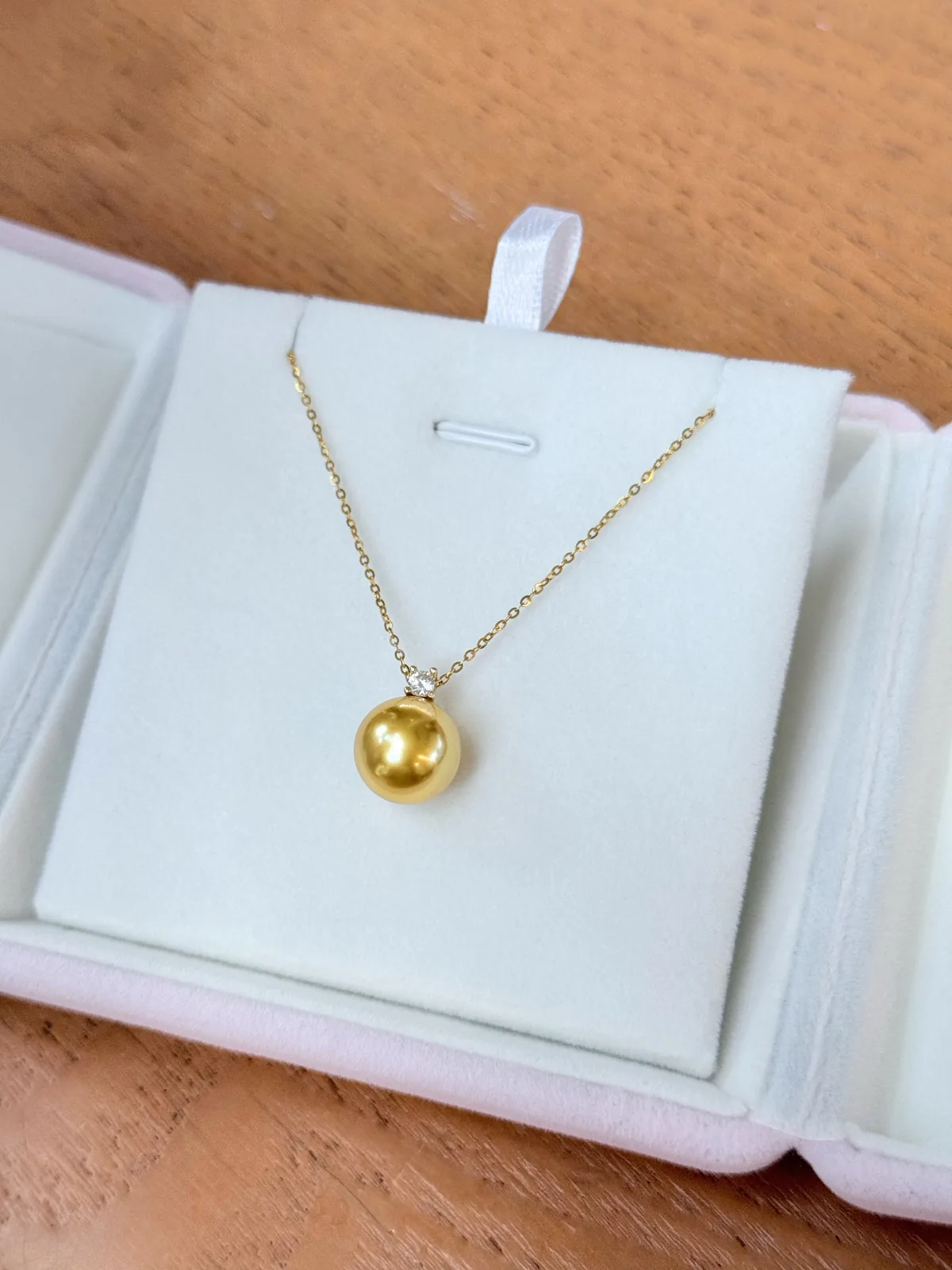
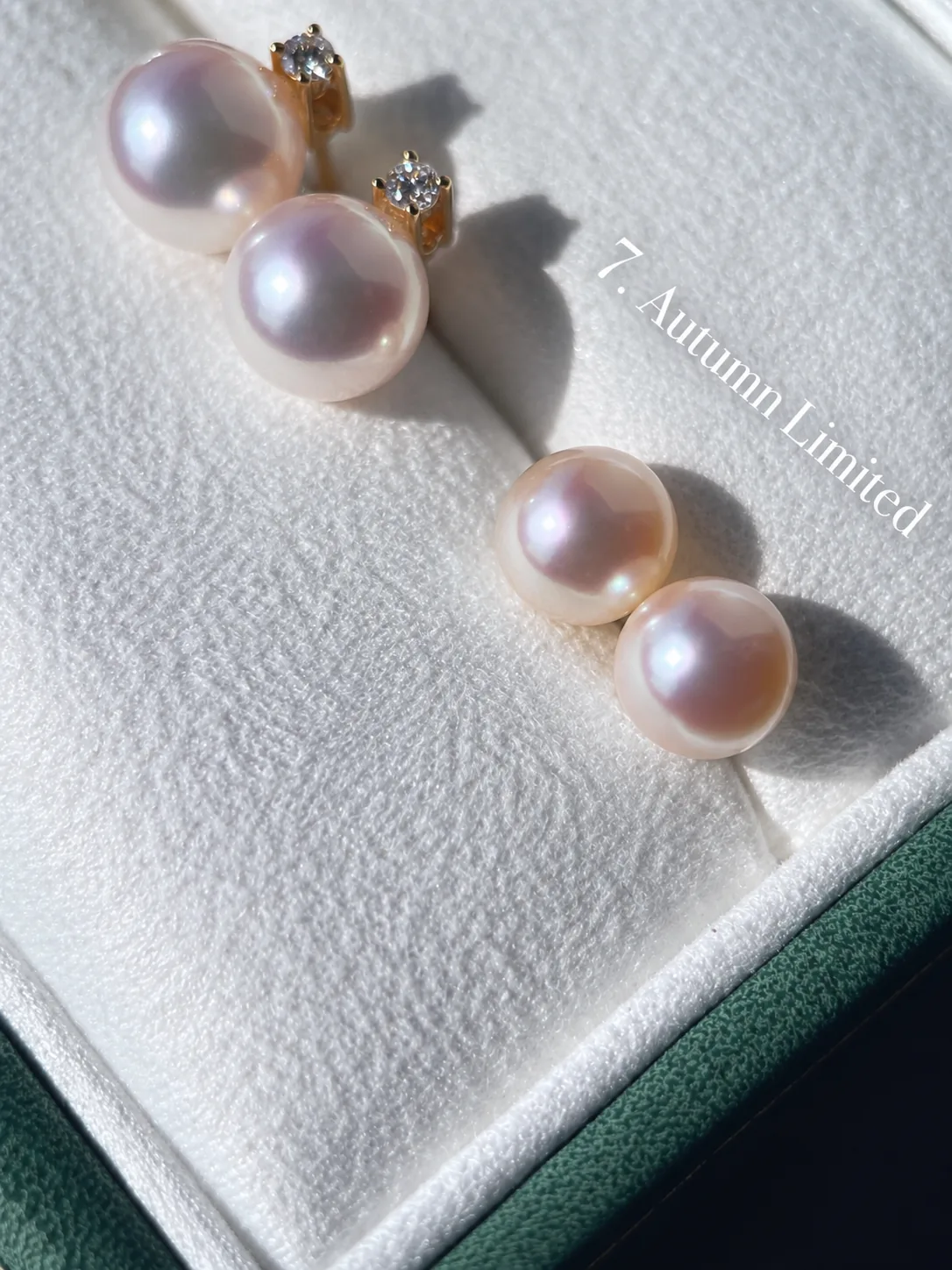
Are Naturally Colored Pearls Always Better Than Treated-Color Pearls?
Natural-color pearls are not automatically better. Learn when natural color adds value, when treated-color pearls make sense, and how to compare them fairly.
 Pearl Types & Comparisons
Are Pearls Formed from Grains of Sand?
Are pearls really formed from grains of sand? Usually no. Learn what actually starts pearl formation, what a pearl sac does, and how cultured pearls differ.
 Buying & Value
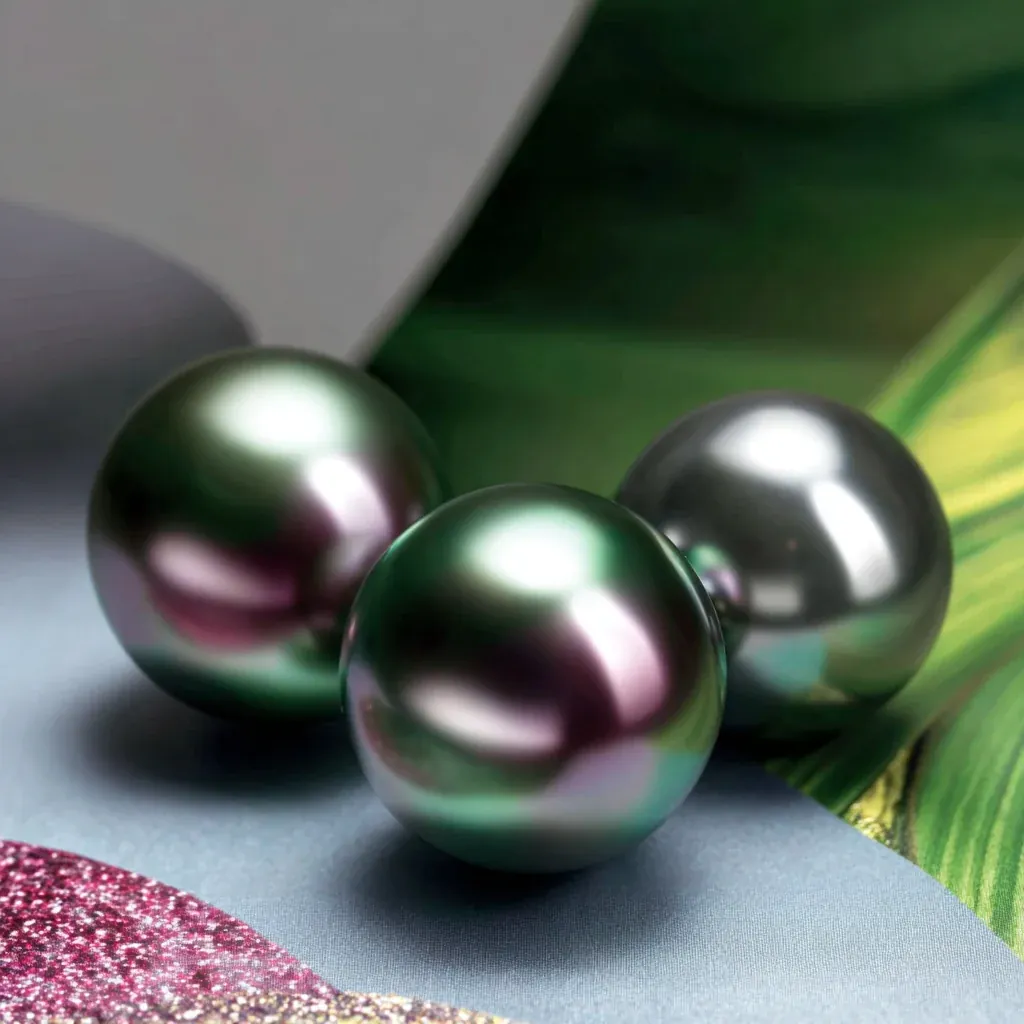
Are Pearls Overpriced Hype? What Actually Determines Their Price?
Are pearls overpriced? Learn what really drives pearl prices—type, rarity, luster, size, matching, jewelry construction, brand markup, and more.
 Jewelry Styling & Stories
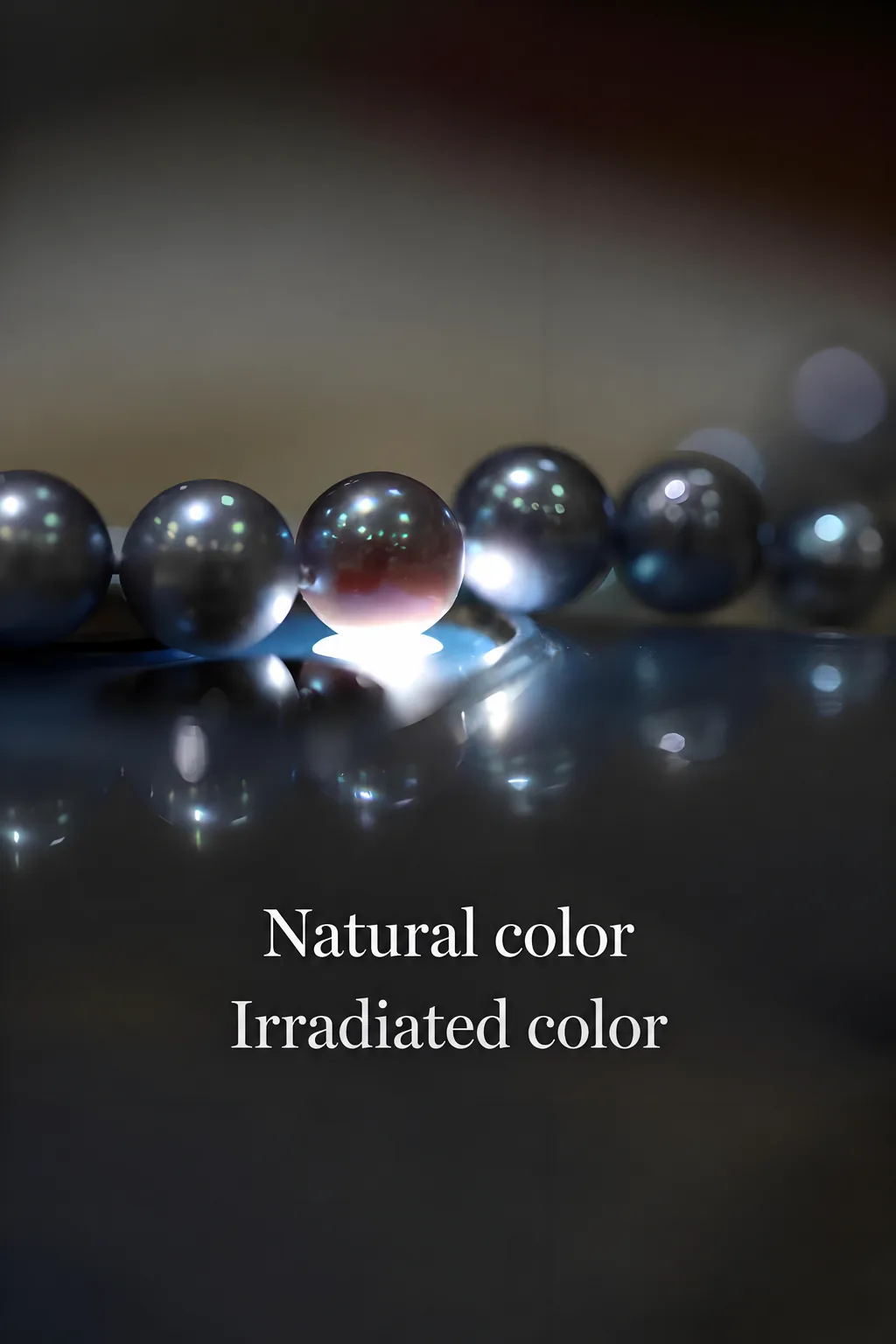
Are Pearls Suitable for Students?
Yes—pearls can suit students well. Learn which styles, sizes and pearl types work for classes, presentations, daily wear and student budgets.
 Jewelry Styling & Stories
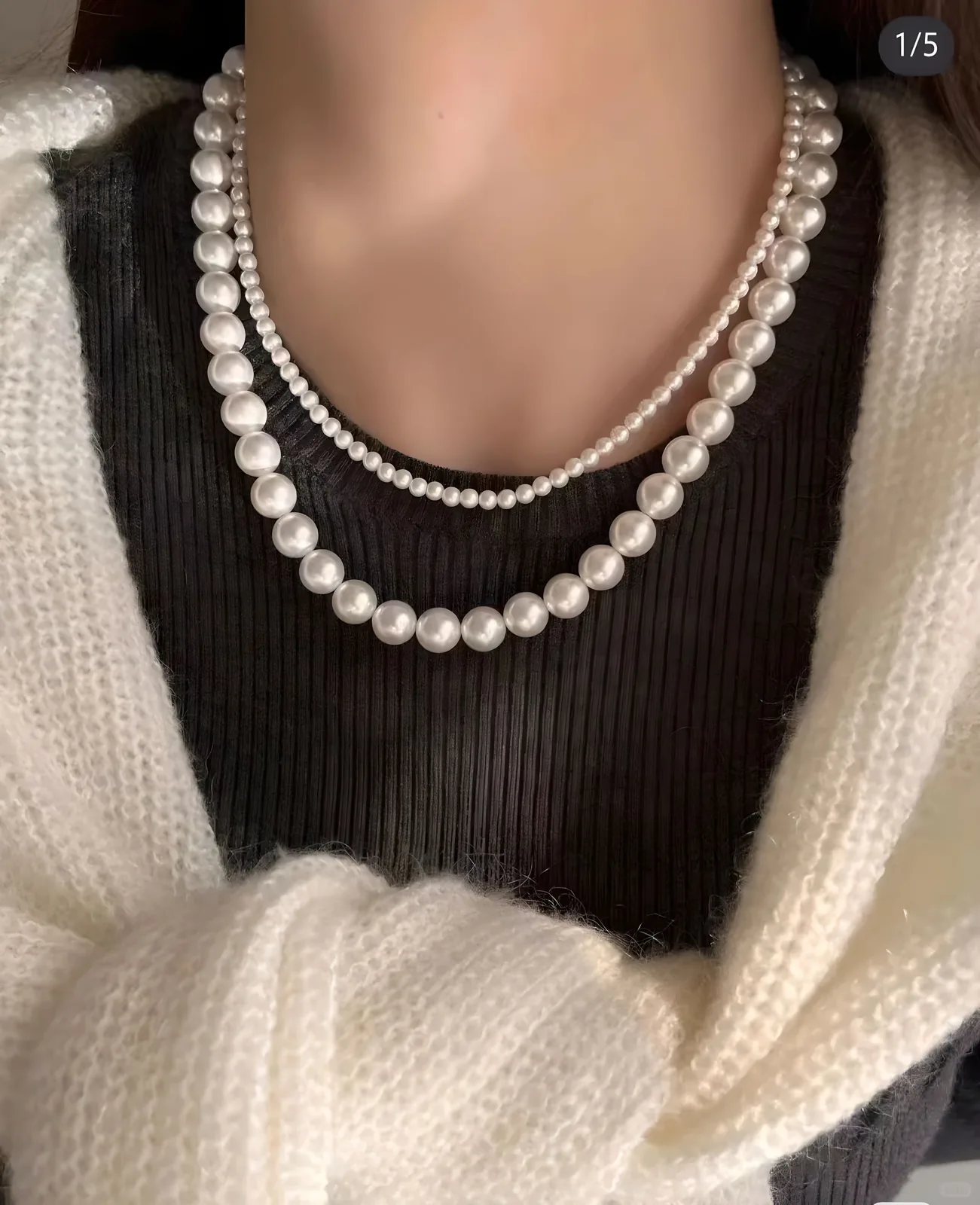
Are Pearls Too Formal?
Pearls are not only for formal events. Learn what makes pearl jewelry feel dressy, how to make it more casual, and how to match pearls to different occasions.
 Jewelry Styling & Stories
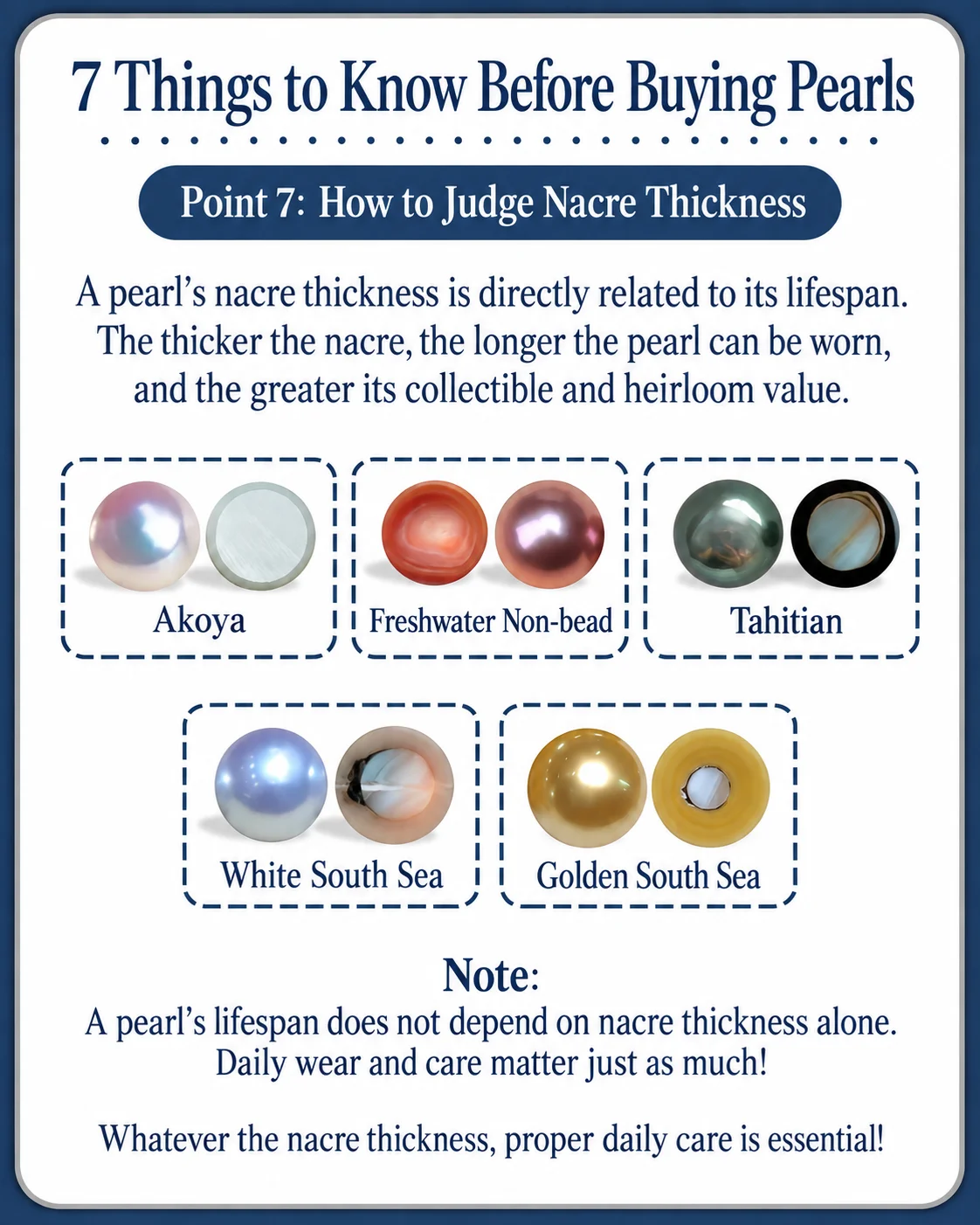
Are Pearls Too Formal or Showy for the Workplace?
Pearls can look polished at work without feeling overdressed. Learn what makes pearl jewelry feel formal or showy and how to balance size, style, and outfit.
 Quality, Treatments & Identification
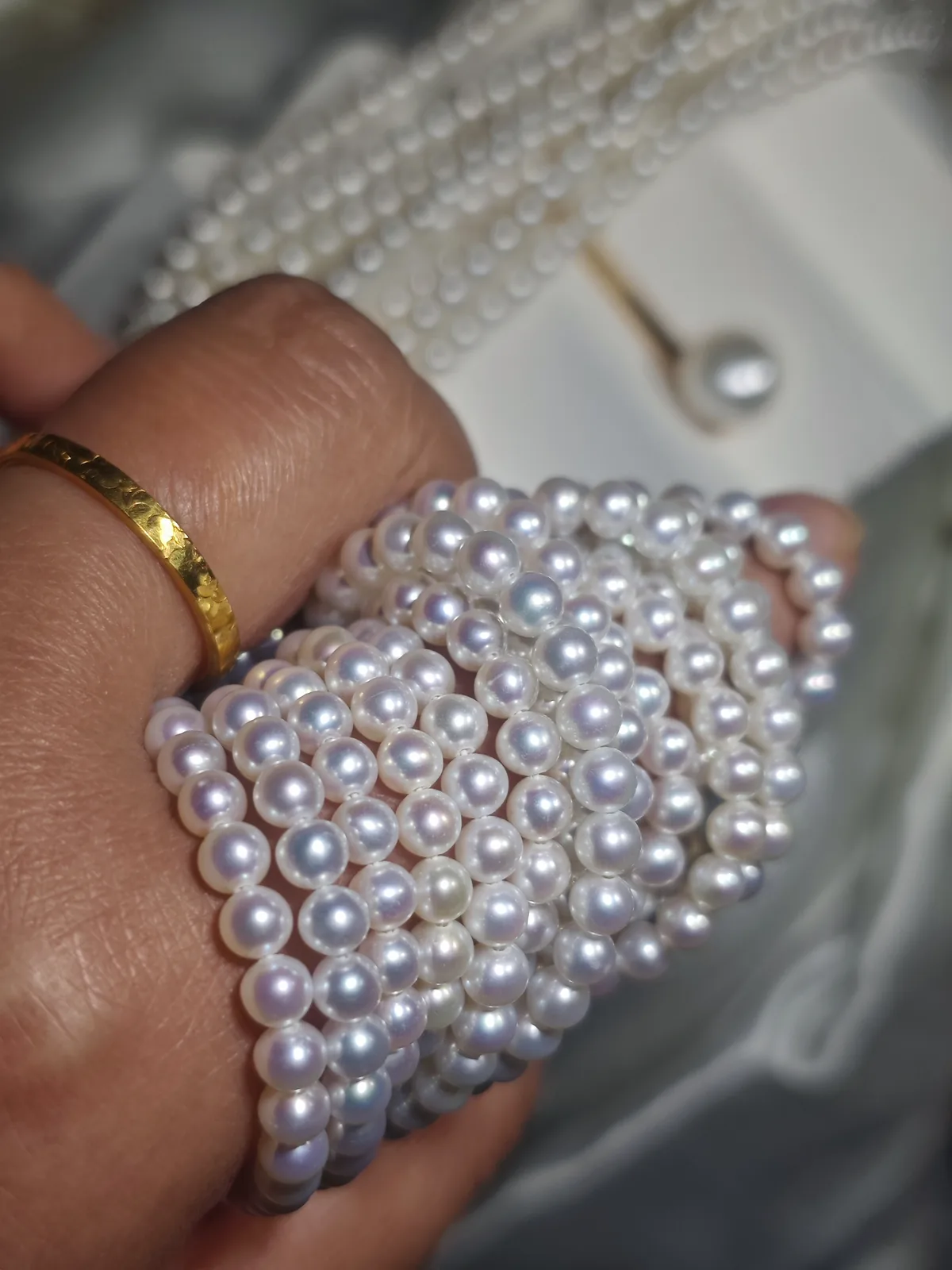
Are Rounder Pearls Always Better?
Rounder pearls are often more valuable when other factors are equal, but roundness does not automatically mean better quality. Learn what matters most.
 Jewelry Styling & Stories
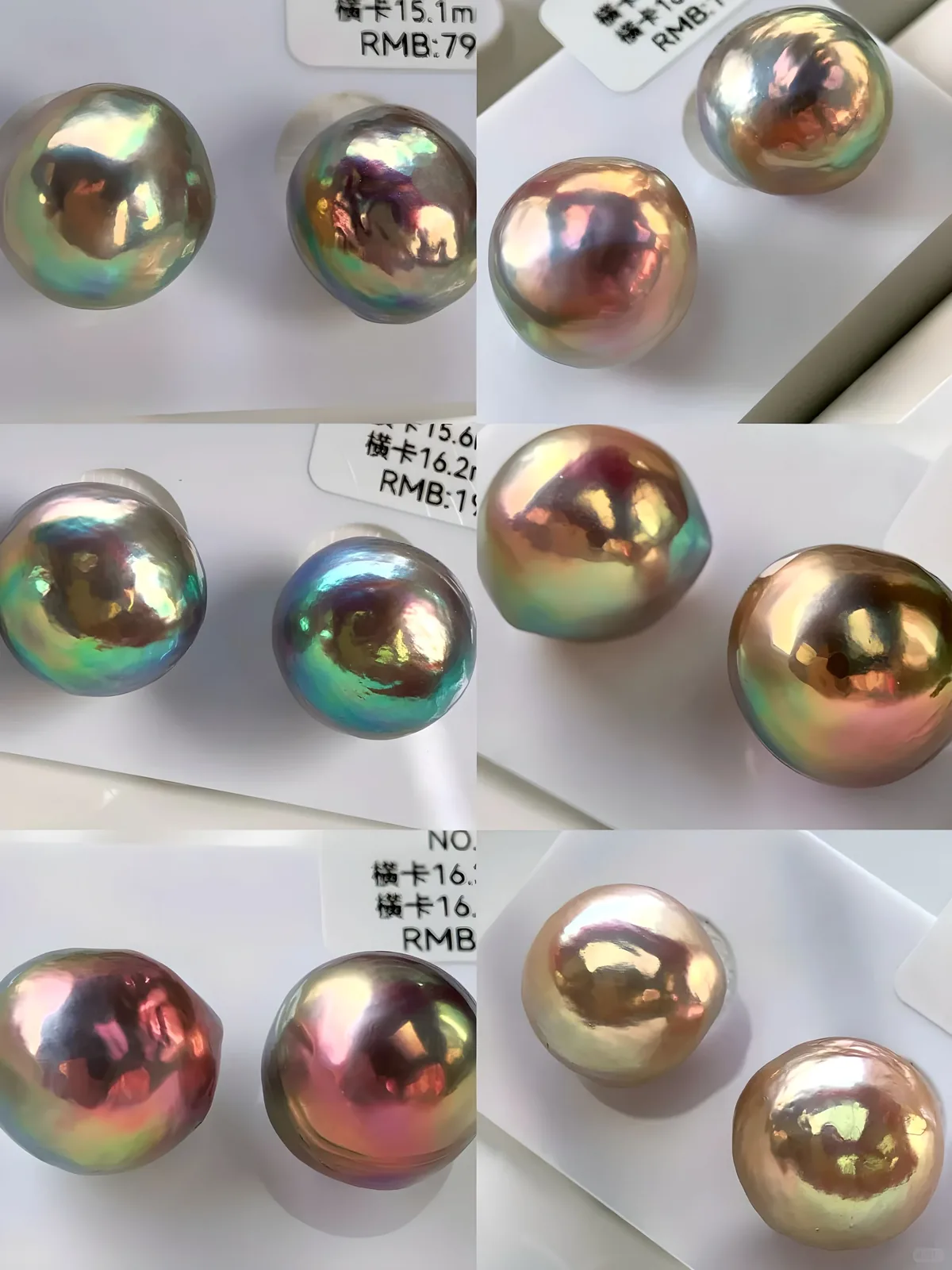
Are Small Seed Pearls Suitable for Everyday Wear?
Small seed pearls can work beautifully for everyday jewelry, but they still scratch easily. Learn which designs wear best and how to protect them.
 Quality, Treatments & Identification
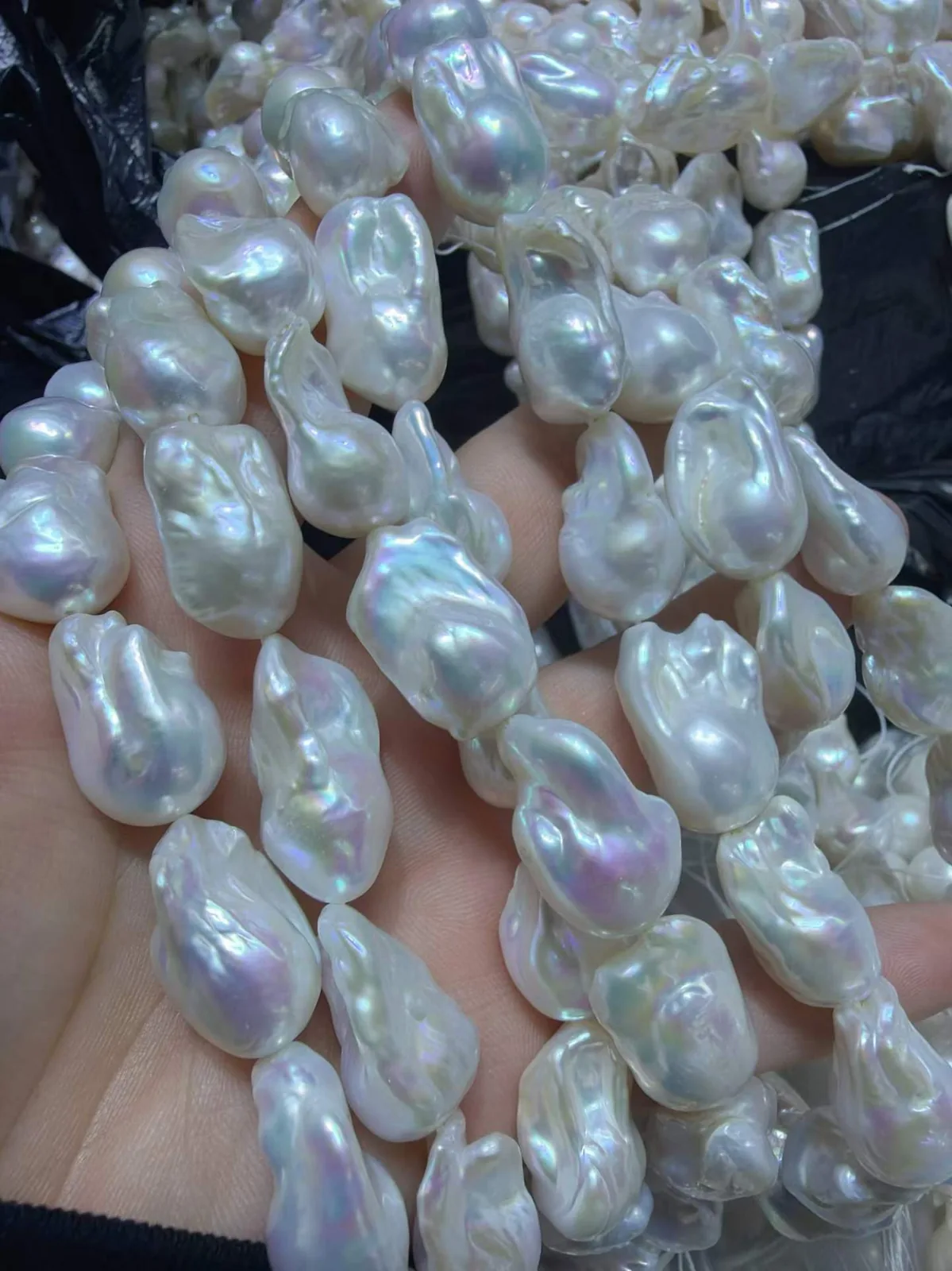
Are Strong-Luster Pearls Worth Buying? What Else Should You Check?
Strong luster is worth prioritizing, but it is not the only sign of a good pearl. Learn how to check surface, nacre, matching, size, shape, and type.
 Quality, Treatments & Identification
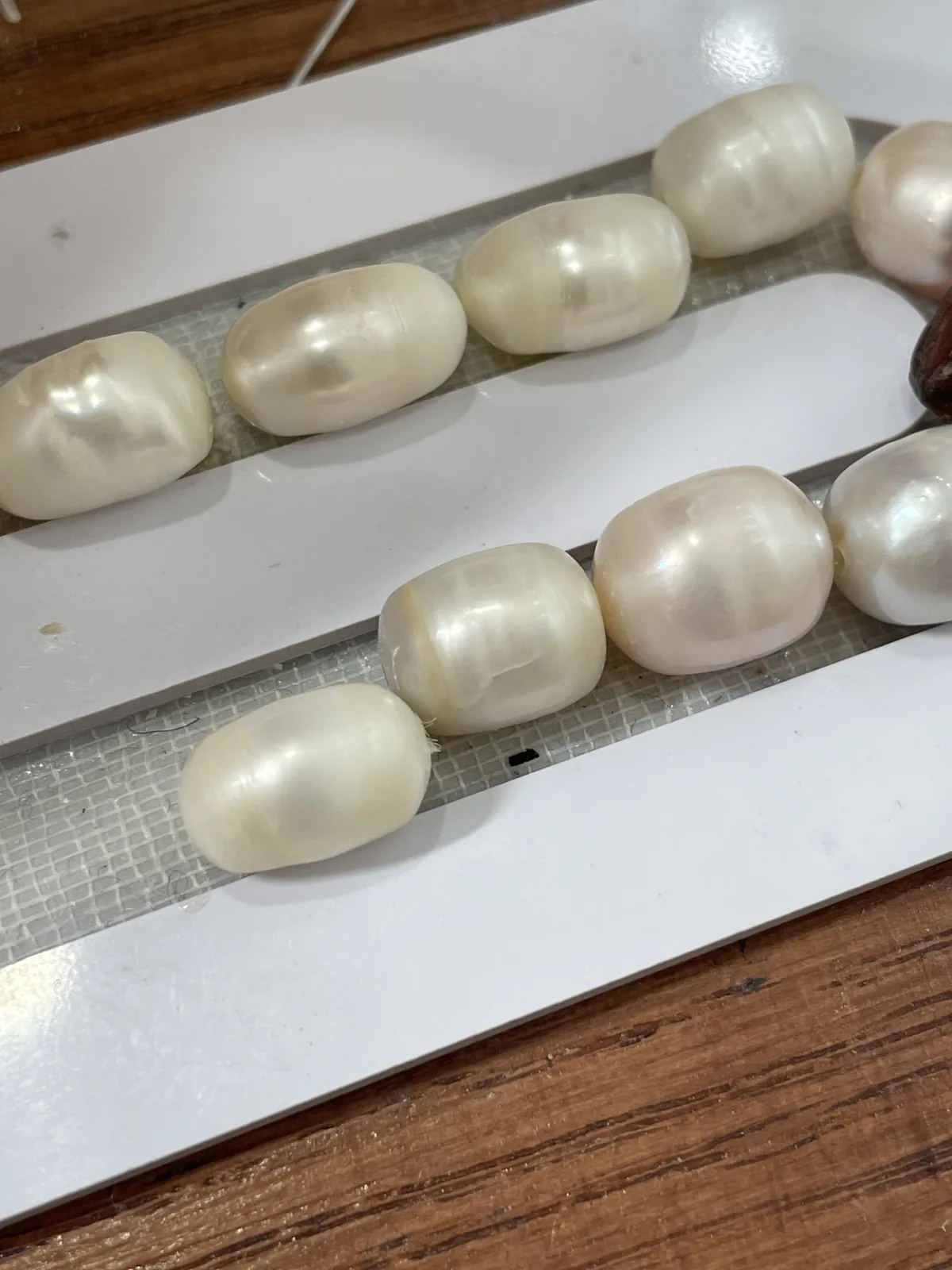
Are Surface Lines on Pearls Normal?
Surface lines on pearls can be normal growth features. Learn how to distinguish growth lines, wrinkles, rings, scratches, and cracks—and when they matter.
Pearl Types & ComparisonsAre Tahitian Pearls the Same as Black Pearls?
Are Tahitian pearls the same as black pearls? Learn why “Tahitian” identifies a pearl type and origin, while “black pearl” is a broader color term.