The pearl journal
A little knowledge. A better choice.
Explore the world of pearls, from your first questions to the finer details. Find a topic, start with an essential guide, or browse the complete journal.
Find your subject
Explore by topic
Follow your curiosity. Start here.
Pearl Types & Comparisons
Explore freshwater, Akoya, Tahitian and South Sea pearls, with clear comparisons of their shapes and origins.
Explore topicQuality, Treatments & Identification
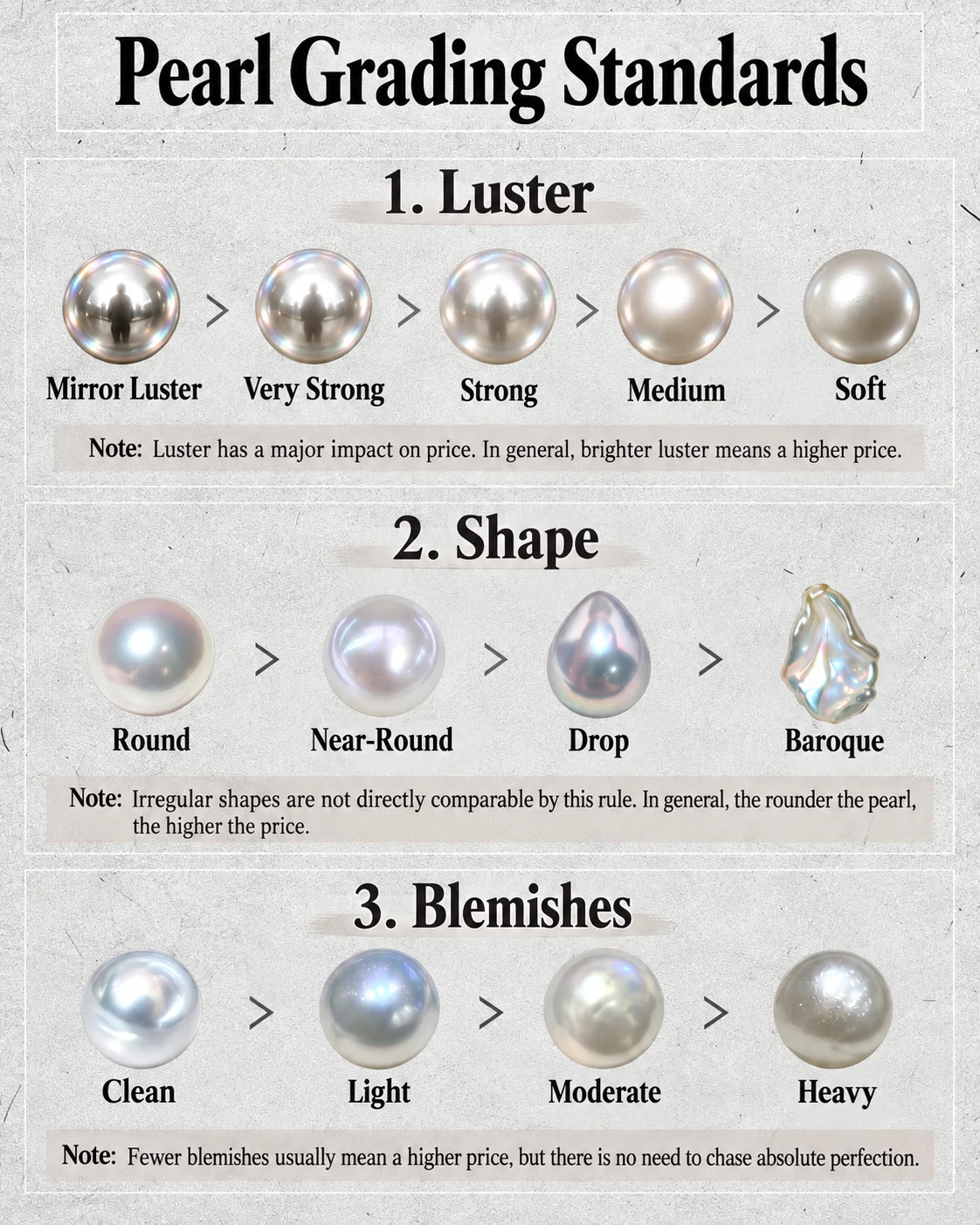
Understand luster, grading, treatments and the details that help you identify a pearl.
Explore topicBuying & Value
Make an informed choice with practical advice on size, quality, budgets and value.
Explore topicPearl Care & Maintenance
Keep your pearls looking their best with everyday cleaning, wearing and storage advice.
Explore topicWholesale & Making
Guidance for jewelers and makers, from sourcing pearl materials to drilling and matching.
Explore topicJewelry Styling & Stories
Discover styling ideas, jewelry traditions and the stories behind remarkable pearls.
Explore topicPearl Academy
Build your knowledge step by step with our pearl identification course and its 24 lessons.
Explore topicA good place to begin
Essential pearl guides
Practical foundations for choosing and enjoying pearls.
Keep exploring
The complete article archive
Mostrando 24 de 162 artículos
 Buying & Value
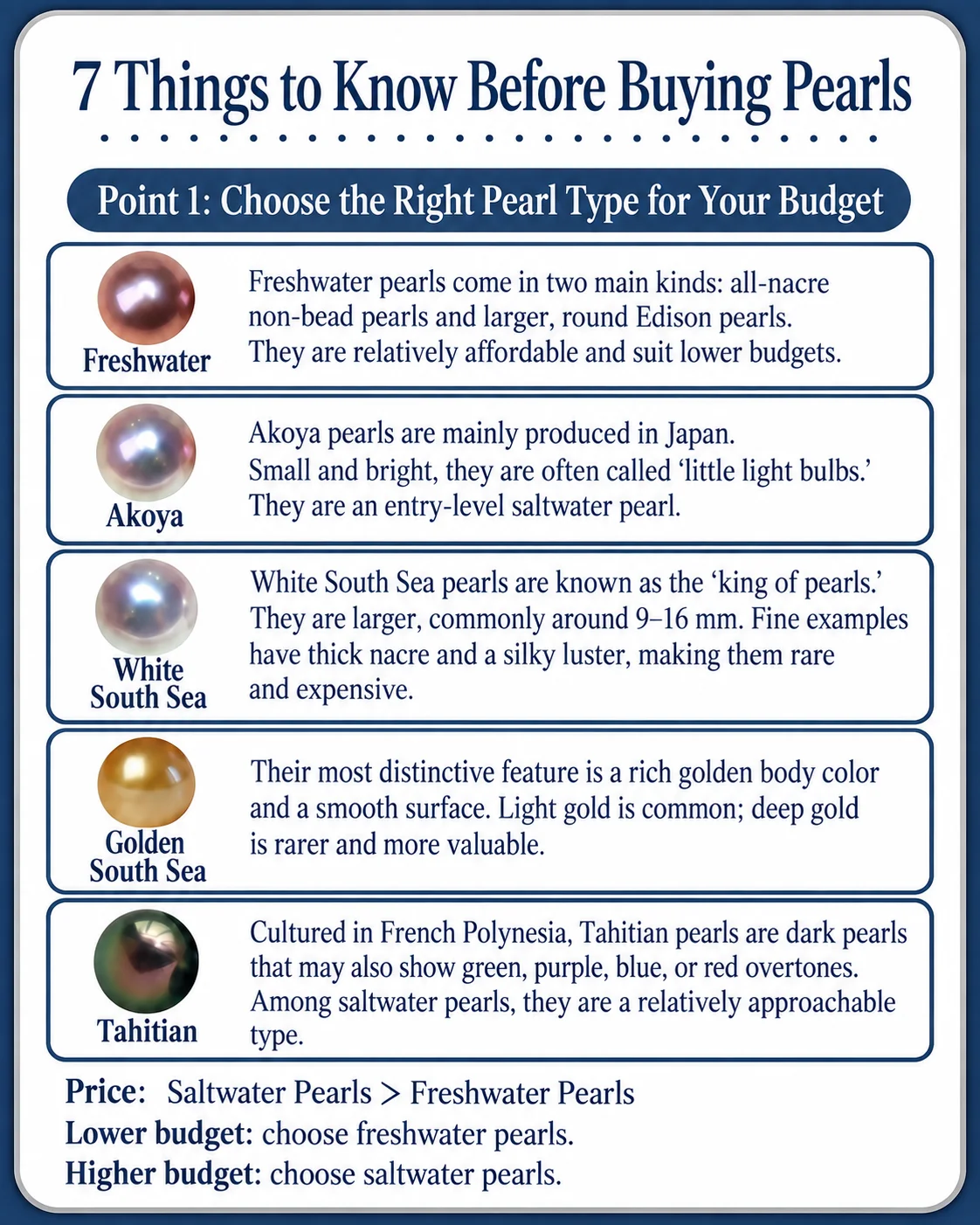
Pearl Buying Guide
A practical pearl buying guide for choosing pearl type, luster, surface quality, shape, size, color, nacre and matching—plus budget trade-offs and common buying mistakes.
 Pearl Types & Comparisons
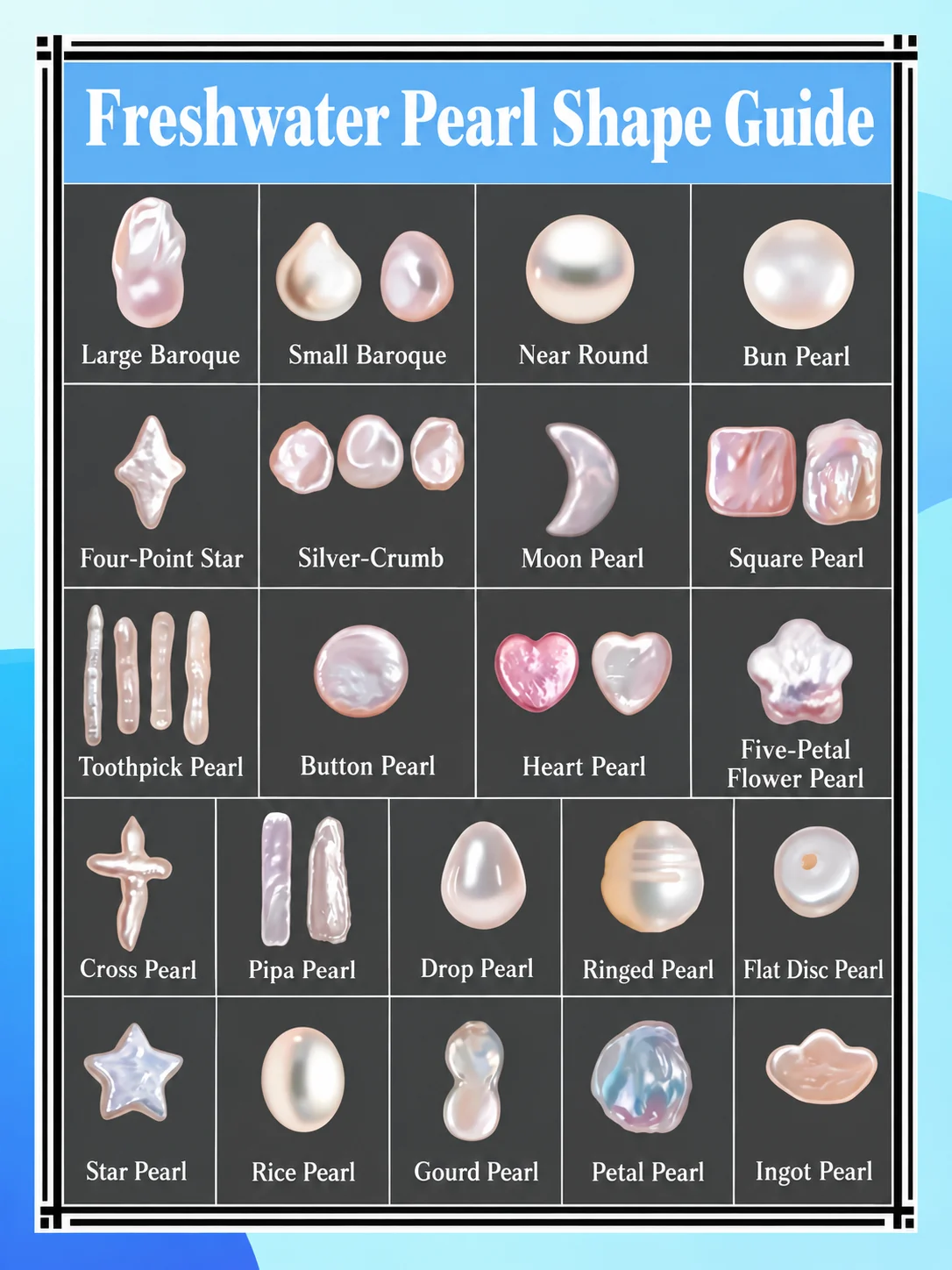
Pearl Shape Guide
A visual guide to round, near-round, button, oval, drop, ringed, baroque and specialty pearl shapes, including how to evaluate true roundness and choose shapes for jewelry.
 Buying & Value
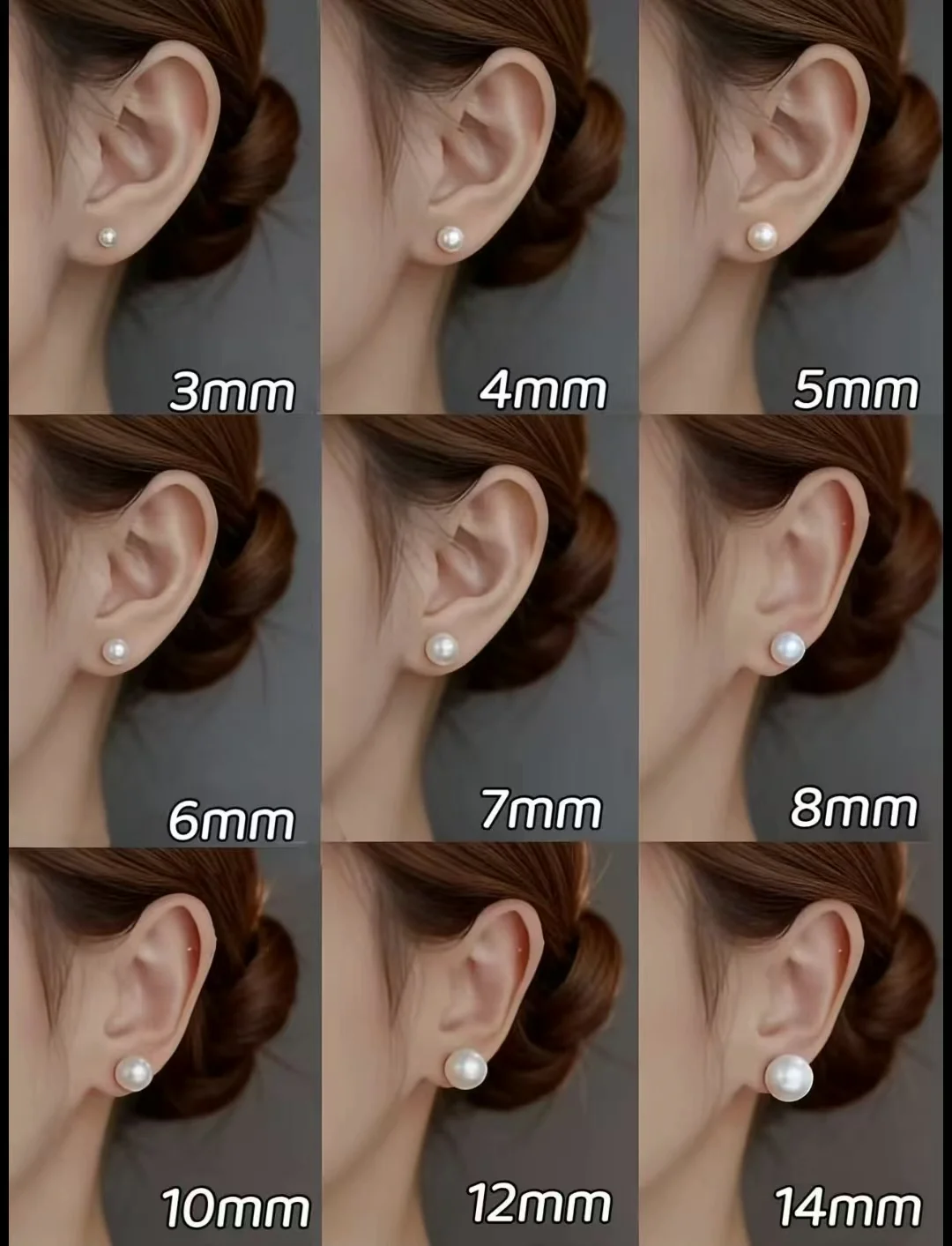
Pearl Size Guide
A visual pearl size guide for earrings, necklaces, pendants and bracelets, with everyday ranges, style considerations, gift guidance and pearl-type context.
 Pearl Academy
The Pearl Identification Course: Table of Contents
Formation and Cultivation of Pearls Formation of Pearls Pearl Cultivation Global Pearl-Producing Regions Pearl Processing and Enhancement Techniques Pearl Processing Workflow Pearl Color Enhancement Pearl Coating Techniques Pearl Properties
 Pearl Academy
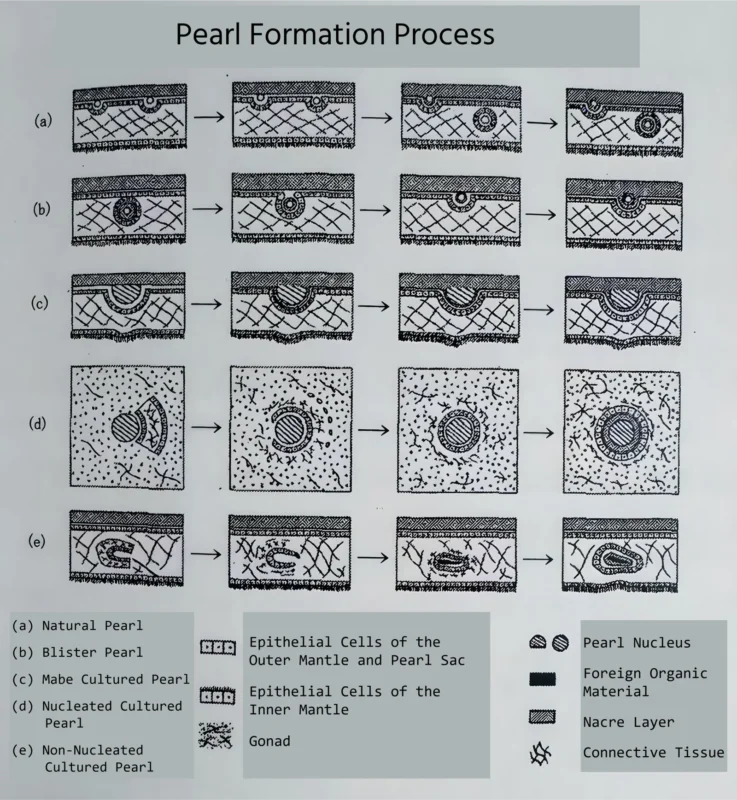
Lesson 1: Formation of Pearls — How Pearls Form Naturally and in Culture
[Back to Directory ] Pearls are not simply “found” inside a mollusk. They form as part of a biological defense response. When an irritant, parasite, damaged tissue, or intentionally implanted material interacts with sensitive soft tissue, t
 Pearl Academy
Lesson 2: Pearl Cultivation — How Cultured Pearls Are Grown
[Back to Directory ] Back to Directory Pearl cultivation is the stage where natural pearl formation is guided by human hands. In other words, the pearl is still made by the mollusk itself, but the process begins with a carefully planned hum
 Pearl Academy
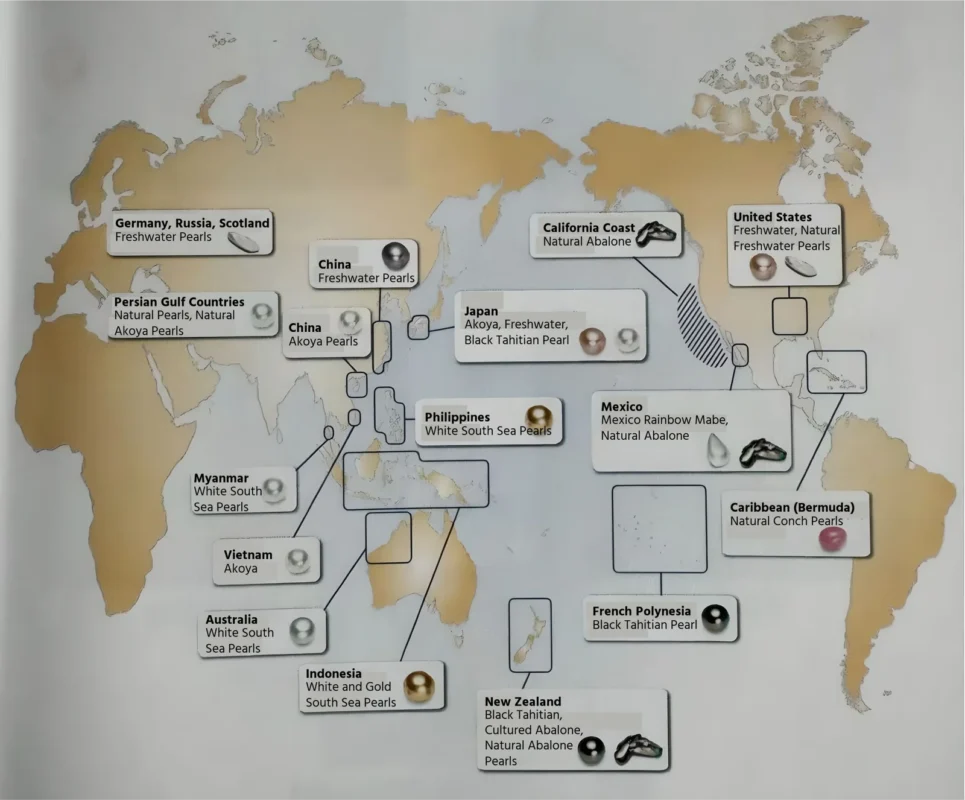
Lesson 3: Global Pearl-Producing Regions — Where the World’s Cultured Pearls Come From
[Back to Directory ] In this lesson, we move from how pearls are cultivated to where the world’s major cultured pearls come from . If Lesson 2 explained the farming process, this lesson builds the global map behind that process. Understandi
Pearl AcademyLesson 4: Pearl Processing Workflow — What Happens to Pearls After Harvest
What happens after pearl harvest: cleaning, screening, sorting, drilling, optional treatment, polishing, grading, matching and preparation for jewelry or wholesale lots.
Pearl AcademyLesson5: Pearl Color Enhancement
[Back to Directory ] Pearl color is one of the first things buyers notice, but it is also one of the most misunderstood parts of the pearl trade. Many pearls on the market are not sold exactly as they looked at harvest. After harvest, some
Pearl AcademyLesson6: Pearl Coating Techniques | Coated Pearls Explained
[Back to Directory ] Pearl coating is one of the surface treatments you may encounter in the pearl trade. In simple terms, it means an extra layer has been applied to the outside of a pearl to change its appearance, improve surface presenta
Pearl AcademyLesson7: The Physical and Chemical Properties of Pearls
[Back to Directory ] In this lesson, we will look at the physical and chemical properties that make pearls behave differently from most other gems. These properties explain why pearls can show such soft, layered light, why they scratch more
Pearl AcademyLesson8: Pearl Care and Maintenance — How to Clean, Store, and Wear Pearls Properly
[Back to Directory ] Pearls are timeless, elegant, and surprisingly easy to wear, but they are not as forgiving as many other kinds of jewelry. Unlike harder gemstones, pearls are organic gems with a relatively soft surface, which means eve
 Pearl Academy
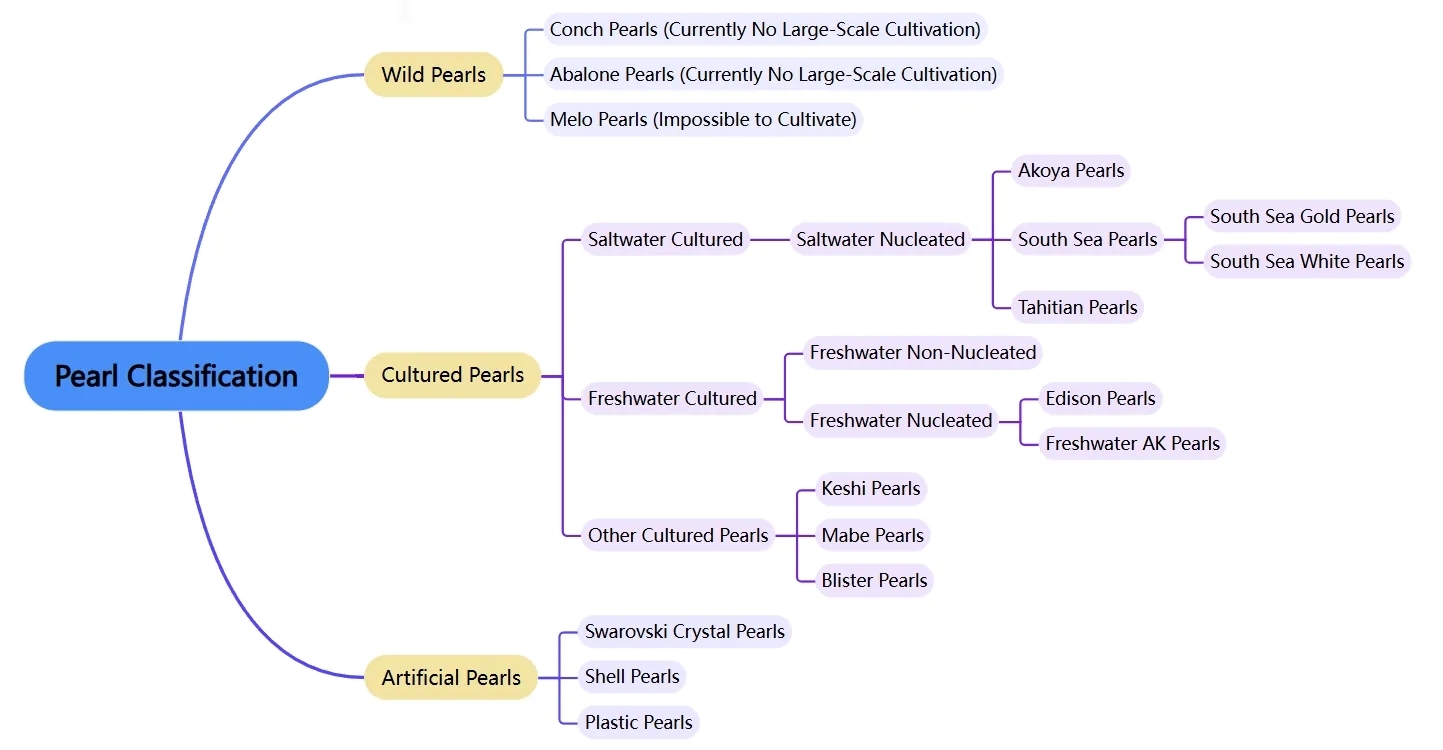
Lesson9: Pearl Classification — Natural, Cultured, and Imitation Pearls
[Back to Directory ] Pearls can be classified in more than one way. In trade, people may group them by where they grow, by the mollusk that produces them, by whether they are bead-nucleated or non-bead cultured, or by their commercial famil
 Pearl Academy
Lesson10: Conch Pearls — Origin, Flame Structure, and Rarity
[Back to Directory ] Introduction Conch pearls are among the most distinctive pearls discussed in the Pearl Academy. They are not valued for a mirror-like nacreous glow in the same way as Akoya or South Sea pearls. Instead, they are admired
 Pearl Academy
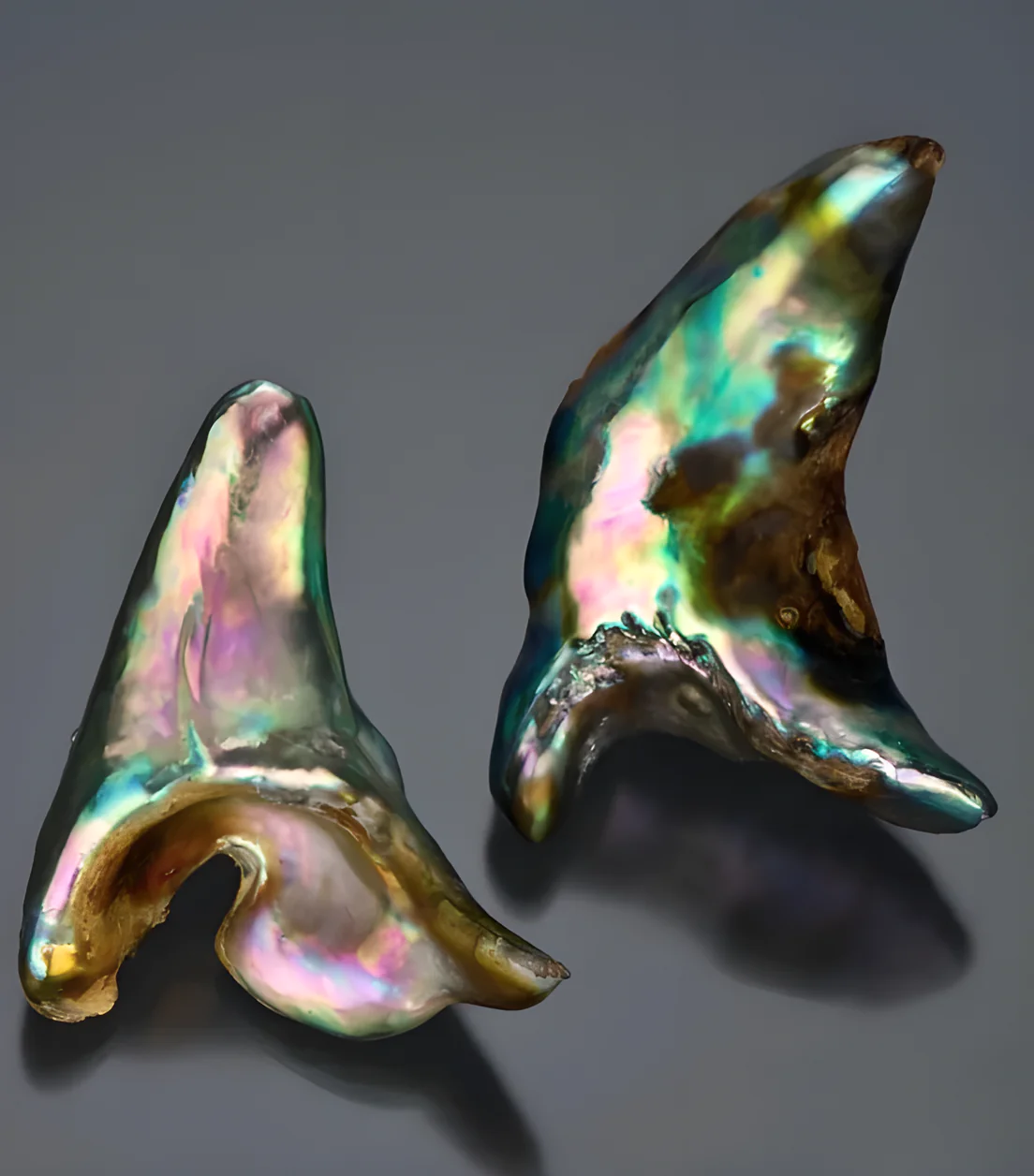
Lesson11: Abalone Pearls — Origins, Colors, Shapes, and Rarity
[Back to Directory ] Abalone pearls are among the most unusual pearls in the pearl world. Unlike the more familiar pearls produced by pearl oysters, abalone pearls come from marine gastropods in the Haliotis group. They are prized for their
 Pearl Academy
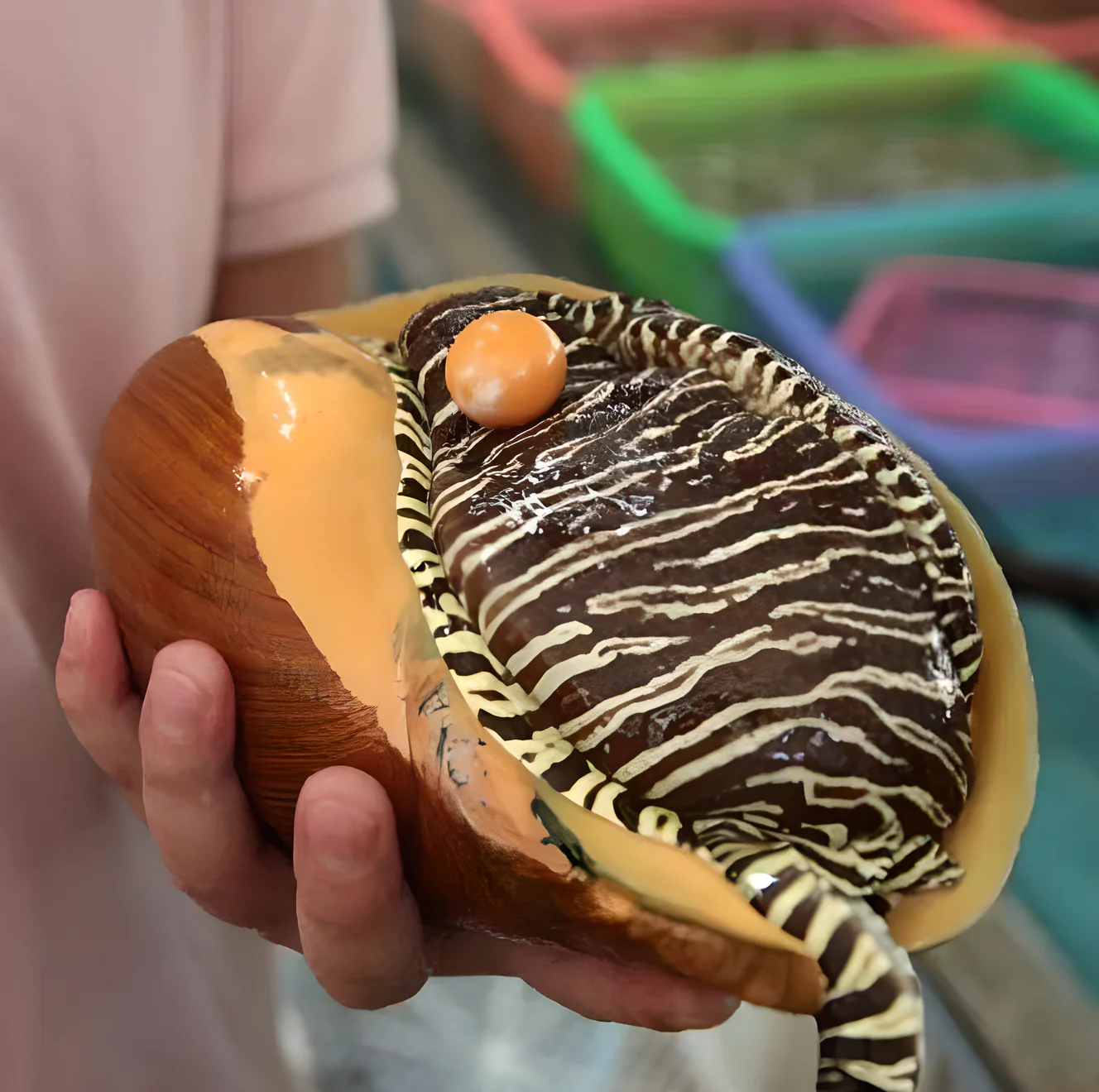
Lesson12: Melo Pearls
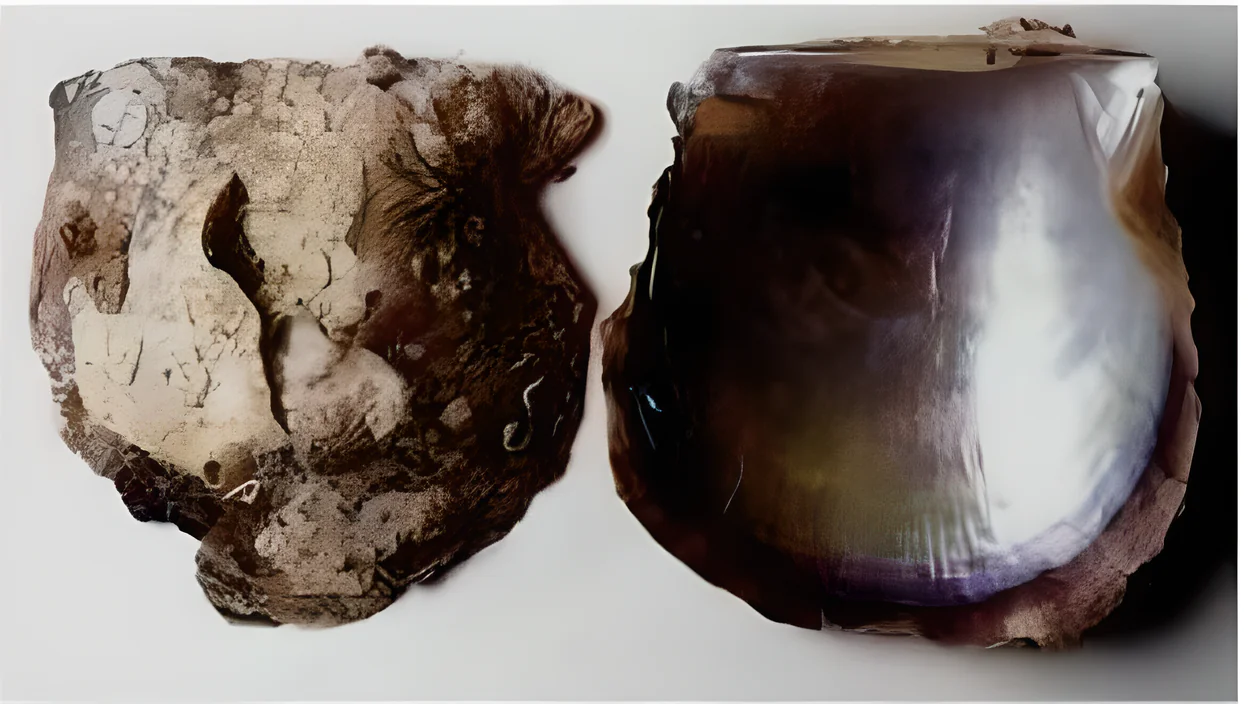
[Back to Directory ] Melo pearls are among the rarest pearls discussed in the Pearl Academy. Sometimes called Flame Pearls or Dragon Pearls in trade storytelling, they are best understood as natural non-nacreous pearls formed in Melo volute
 Pearl Academy
Lesson13: Akoya Pearls — Luster, Color, Size, and Nacre Quality
[Back to Directory ] Akoya pearls are the saltwater cultured pearls most people imagine when they think of a classic pearl necklace. They are especially known for their bright, mirror-like luster, their high roundness rate, and their elegan
 Pearl Academy
Lesson14: Tahitian Black Pearls — Origin, Natural Colors, Shapes, Sizes, and Nacre
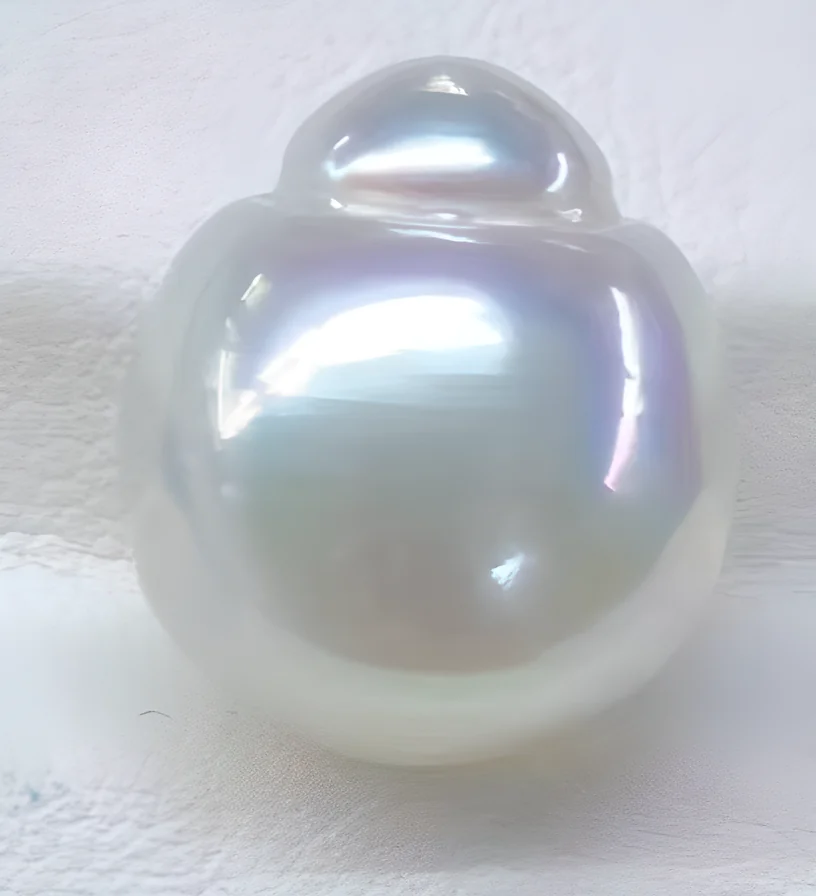
A complete guide to Tahitian pearls from French Polynesia: black-lipped oyster origin, naturally dark color range, common sizes and shapes, luster, nacre and matching.
 Pearl Academy
Lesson15: South Sea Pearls — White and Golden Pearls from Pinctada maxima
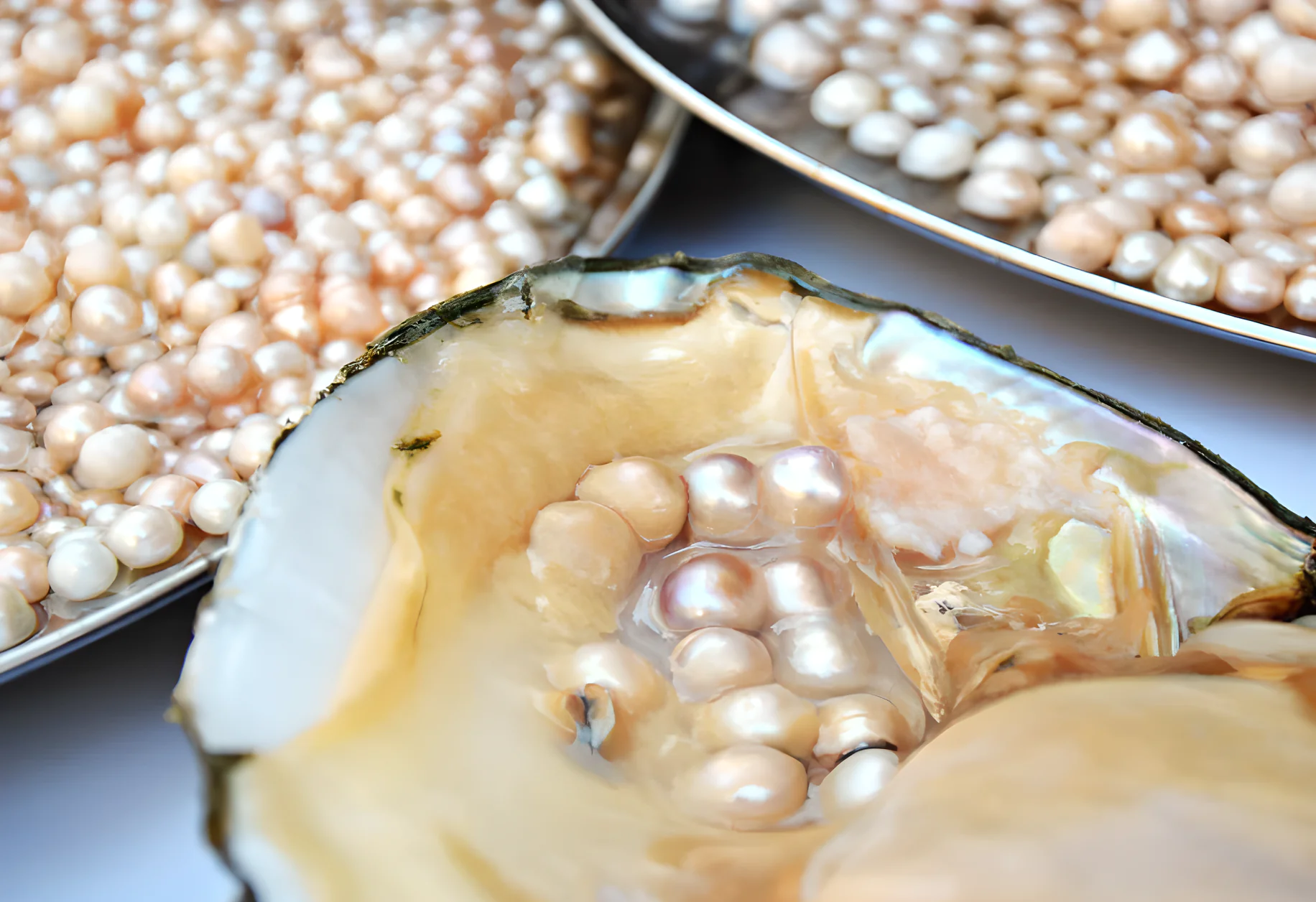
[Back to Directory ] What Are South Sea Pearls? South Sea pearls are one of the most important saltwater cultured pearl families. They are produced by Pinctada maxima , the largest pearl oyster used in modern pearl culture. In both trade an
 Pearl Academy
Lesson16: Freshwater Non-Nucleated Pearls
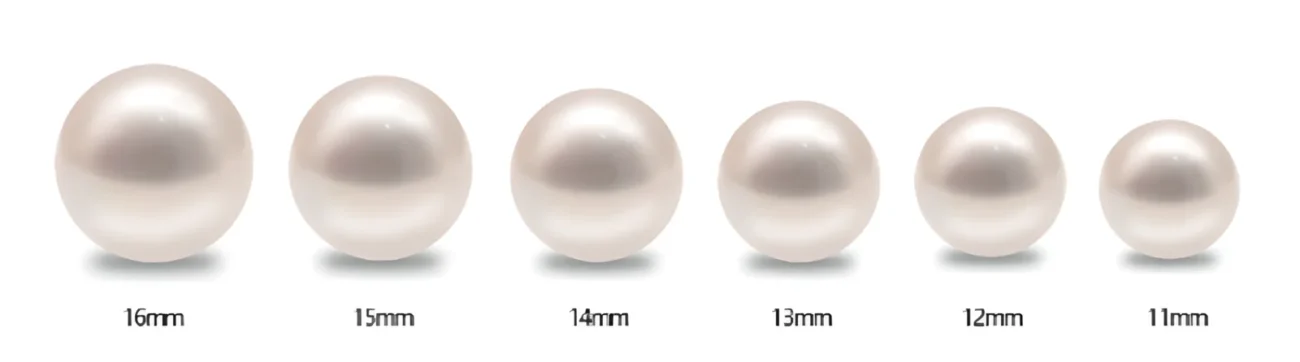
[Back to Directory ] Introduction In this lesson, we focus on freshwater non-nucleated pearls , an important category in freshwater pearl culture. In trade and educational contexts, these pearls are also often described as tissue-nucleated
 Pearl Academy
Lesson 17: Freshwater Nucleated Pearls | Edison and “Freshwater AK” Pearls
[Back to Directory ] In the previous lesson, we looked at freshwater non-nucleated pearls. In this lesson, we move to freshwater nucleated pearls —freshwater cultured pearls grown around a bead nucleus. In practice, many readers first meet
 Pearl Academy
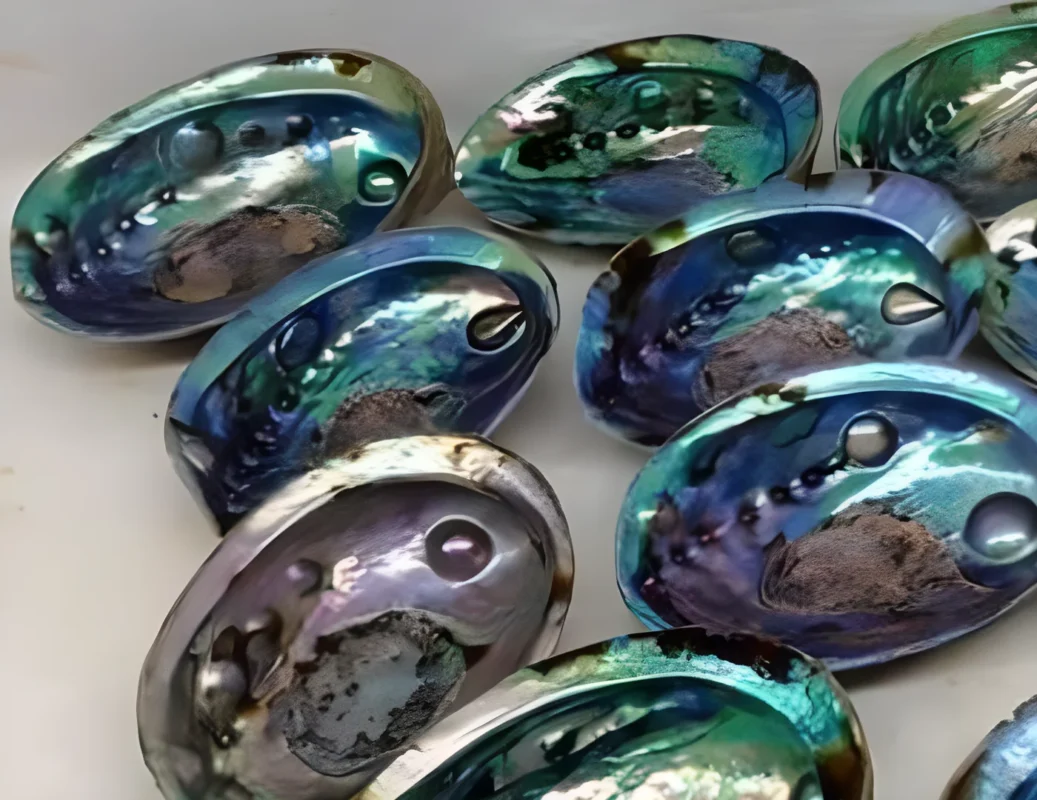
Lesson 18: Mabé Pearls — How Blister Pearls Are Formed and Processed
[Back to Directory ] Introduction In this lesson, we will look at what Mabé pearls are, how they relate to blister pearls, which mollusks produce them, and why their finished structure is different from a fully round cultured pearl. Mabé pe
 Pearl Academy
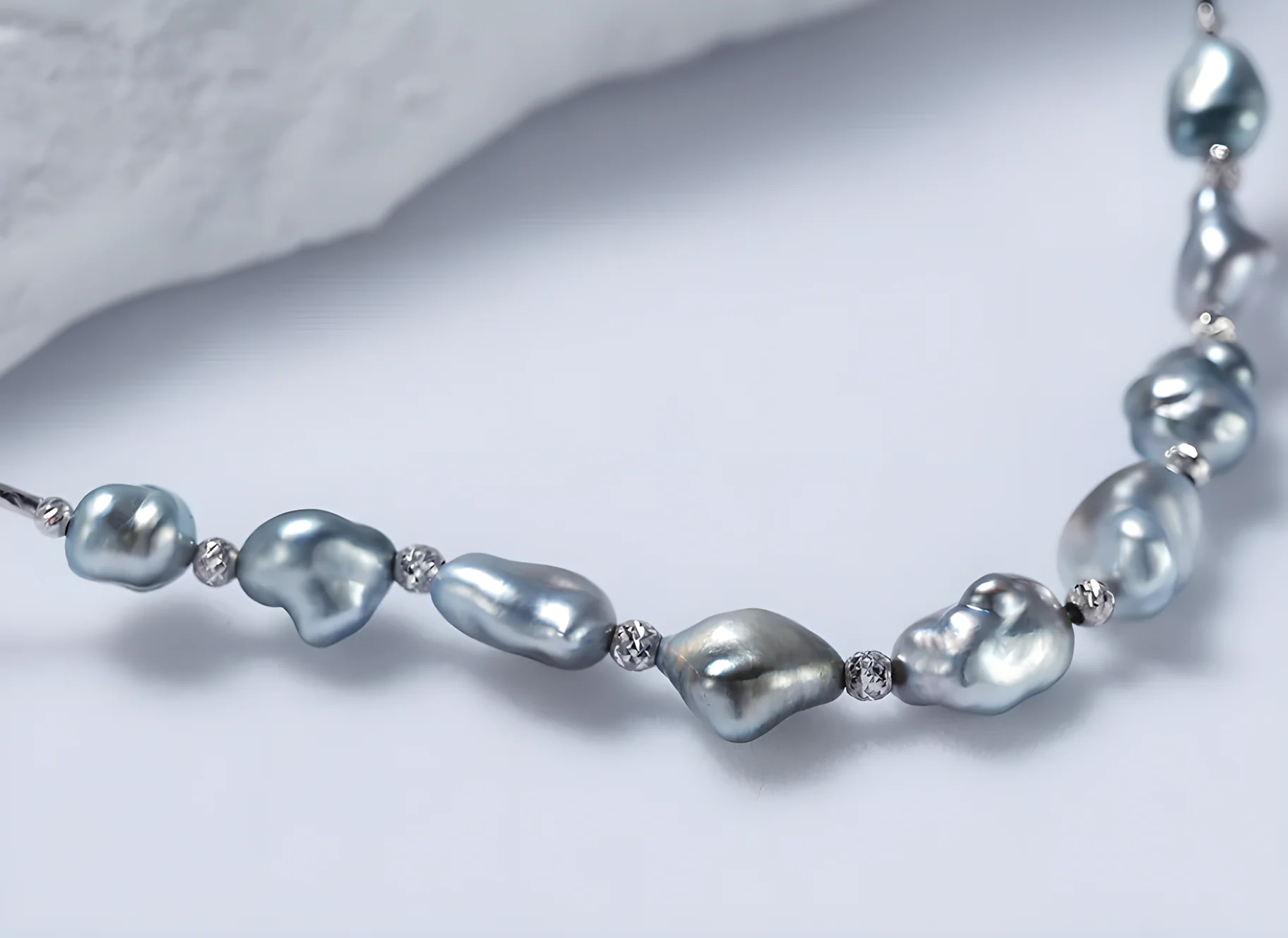
Lesson19: Keshi Pearls: What They Are and How They Form
[Back to Directory ] Introduction In this lesson, we look at what Keshi pearls are, how they form during pearl cultivation, and why they are known for their striking luster. Keshi pearls are an unusual result of the pearl farming process. I
Pearl AcademyLesson20: Artificial Pearls
[Back to Directory ] Artificial pearls are a familiar part of the jewelry market, but the term covers several very different products. Some are inexpensive fashion components made from plastic. Some are glass-based imitations. Some are shel