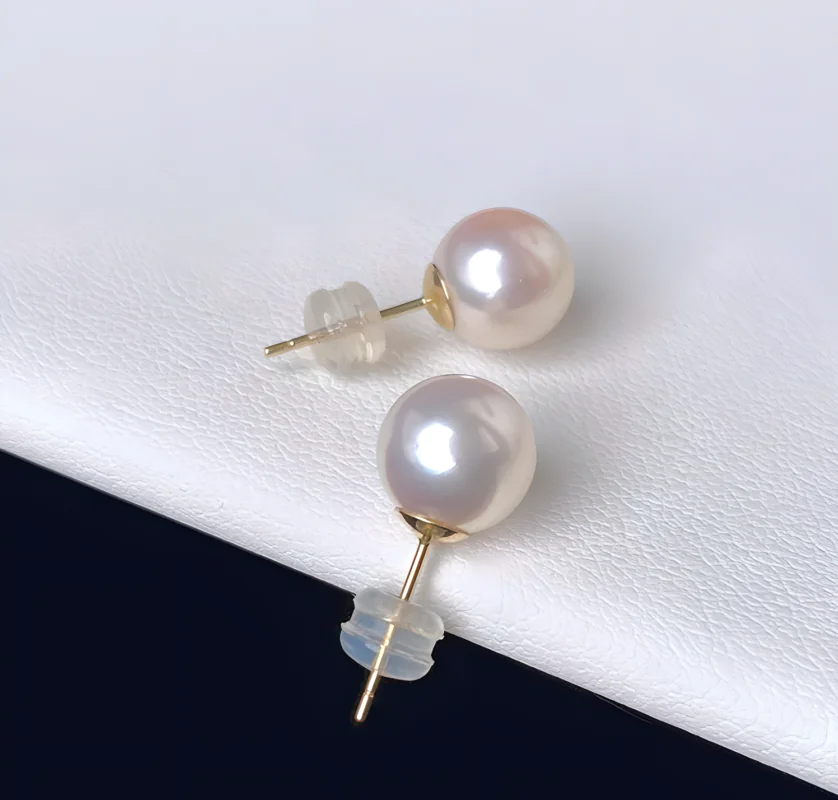
Quick answer: no. Naturally colored pearls are not automatically better than treated-color pearls. Natural color can add rarity and value when the color is desirable, genuinely uncommon for that pearl type, and properly verified. But treatment status alone does not tell you whether a pearl has strong luster, a clean surface, attractive shape, good nacre, careful matching, or a fair price.
A treated-color pearl can therefore be the better purchase for someone who wants a particular look at an accessible price, while a verified natural-color pearl may be the better choice for a buyer who specifically values rarity, provenance, or collectibility. The useful question is not simply “Which one is better?” It is “Better for what?”
First, Separate Color Origin from Overall Pearl Quality
One of the easiest mistakes in pearl buying is to turn a single characteristic into a complete quality grade. “Natural color” describes how the visible color originated; it does not tell you everything about the pearl.
GIA evaluates pearl value through seven broad factors: size, shape, color, luster, surface quality, nacre quality, and matching when multiple pearls are used together. That framework explains why a naturally colored pearl can still be dull, heavily blemished, poorly matched, or simply unattractive—and why a treated-color pearl can still have excellent luster and strong overall craftsmanship.
If you want a broader framework for judging the whole pearl rather than one feature, see our pearl value evaluation guide.
| Question | What it actually tells you |
|---|---|
| Is the color natural? | Whether the visible color developed naturally or was modified after harvest |
| Is the pearl genuine? | Whether it is a natural or cultured pearl rather than an imitation bead |
| Is the pearl high quality? | How its luster, surface, shape, nacre, size, matching, and other characteristics compare |
| Is it a good buy? | Whether its identity, treatment, quality, appearance, and price fit your purpose |
Those four questions overlap, but they are not interchangeable.
When Does Natural Color Really Add Value?
Natural color matters most when the color itself is part of the pearl’s rarity. A naturally dark Tahitian cultured pearl, a fine golden South Sea cultured pearl, or an unusual natural-color Akoya can be desirable partly because that appearance developed through the pearl-producing mollusk rather than being created afterward.
But even here, the comparison needs to be controlled. A rare natural color does not automatically make a pearl more valuable than every treated pearl in the market. A small, dull, heavily blemished natural-color pearl may still be less desirable—and less expensive—than a larger, highly lustrous, beautifully matched treated-color strand.
A better rule is:
When two pearls are otherwise genuinely comparable, a desirable and verified natural color may justify a rarity premium. When the pearls differ in type, size, luster, surface, matching, or craftsmanship, treatment status alone cannot explain the price difference.
This distinction also prevents misleading comparisons. A dyed dark freshwater cultured pearl and a naturally dark Tahitian cultured pearl may both be beautiful, but they are not the same product simply because both appear “black.” Their pearl type, production, natural color range, size potential, market positioning, and rarity are different.
When Can a Treated-Color Pearl Be the Better Choice?
For many buyers, the goal is not to collect an untreated rarity. The goal is to find a color they love, in a wearable size, with good luster and a price that makes sense. In those situations, treated-color pearls can be a completely rational choice.
| Your priority | Which option may make more sense? | Why |
|---|---|---|
| Rare natural color or collecting interest | Verified natural color | The natural origin of the color is part of what you are paying for |
| Bold fashion colors | Treated color can be practical | Treatment can create colors that are rare, unavailable, or difficult to match naturally |
| Strong matching across a strand | Either; treated color may simplify matching | Controlled color modification can help achieve consistency, although fine natural-color strands can also be expertly matched |
| Best appearance for a limited budget | Compare both | Protect luster and overall beauty before paying for a rarity claim you do not especially value |
| Strict preference for minimal treatment | Ask for detailed disclosure | “Natural color” does not necessarily mean “no post-harvest processing” |
For example, imagine two freshwater pearl strands. One has a naturally occurring pastel lavender color but only moderate luster and uneven matching. The other has a disclosed treated deep-purple color, stronger luster, cleaner surfaces, and excellent matching. If you specifically want natural lavender, the first strand may be more meaningful. If you want a vivid purple necklace that looks polished and consistent, the second may be the better purchase.
Neither answer requires pretending that treatment does not matter. It simply means that treatment is one decision variable, not the entire decision.
“Natural Color,” “Untreated,” and “Unprocessed” Are Not the Same Claim
This is an important piece of nuance that is often lost in simple natural-versus-treated comparisons.
Pearls can receive different kinds of post-harvest processing. GIA research notes that white and very light-colored Akoya and freshwater cultured pearls are commonly processed through methods such as bleaching, and other processes may be used to improve luster or brightness. CIBJO also distinguishes among treatments such as dyeing, irradiation, bleaching, tinting, optical brightening, and luster enhancement.
So if treatment status matters to you, do not stop at the question “Is this the pearl’s natural color?” Ask two separate questions:
- Has the visible color been modified?
- Has the pearl received any other post-harvest treatment or enhancement?
A pearl can have a naturally originating bodycolor while still having received another appearance-related process. That does not automatically make it a poor pearl, but precise language makes comparison much easier.
Our guide to cultured pearl treatments and enhancements explains these processes in more detail.
Does Treated Color Mean Lower Quality?
No. Treatment status and quality should be evaluated separately.
Dyeing, irradiation, tinting, or another color treatment can alter appearance, but it does not automatically tell you whether the underlying pearl has strong or weak luster, a clean or blemished surface, a desirable or undesirable shape, or good or poor matching.
This is why the statement “treated pearls are low quality” is too broad. Treatment can be applied to inexpensive material, but it can also be applied to pearls with otherwise attractive characteristics. Likewise, “natural color” does not rescue weak pearl quality.
When comparing two options, judge the pearl in this order:
- Confirm what type of pearl it is.
- Confirm whether the color is natural or treated.
- Judge luster, surface quality, shape, nacre, size, and matching.
- Ask whether the treatment has care or stability implications.
- Decide whether the price reflects the pearl you are actually buying.
For a fuller buying sequence, use our pearl buying guide.
What About Durability and Fading?
It is tempting to say that natural color always lasts and treated color always fades, but that is too simple.
Pearls themselves are organic gems and require sensible care regardless of treatment status. A treated color may have specific stability or care considerations depending on how the treatment was performed, while different treatments do not all behave the same way. That means a seller should not rely on a vague promise such as “treated colors never change.”
FTC guidance in the United States focuses treatment disclosure on material information such as permanence, special care, and significant effects on value. CIBJO also treats color-altering and appearance-enhancing processes as information that should be properly declared in the trade.
For an ordinary buyer, the practical approach is straightforward: ask what treatment was used, whether any special care is recommended, and avoid harsh chemicals, aggressive cleaners, unnecessary heat, and prolonged intense exposure that can damage pearls generally.
If you already know the pearls are dyed and want to evaluate them on their own merits, see when dyed pearls can still be a good buy.
Natural Color Is Most Important When It Creates the Price Premium
A useful buying principle is: verify the claim that creates the premium.
If an inexpensive strand is openly described as dyed and you like its appearance, extensive testing may add little practical value. You already know what you are buying.
The situation changes when the price depends heavily on claims such as:
- rare natural color;
- untreated collector material;
- natural gray or blue Akoya;
- exceptional natural golden color;
- natural dark color used to support a premium pearl identity.
Modern color treatments are not always obvious by eye. GIA research has shown that laboratories may need spectroscopy, fluorescence analysis, microscopy, and other analytical techniques to distinguish treated colors from naturally occurring ones. That is why a photograph, drill-hole inspection, or seller statement may be enough for a modest purchase but not necessarily for a high-value natural-color claim.
If natural color materially affects the price, request clear written disclosure and consider an independent gemological laboratory report when the value justifies it.
A Practical “Better Pearl” Checklist
Instead of ranking every pearl by treatment status, compare the features that actually matter to your purchase.
| Check | Question to ask |
|---|---|
| Pearl identity | Is it a genuine cultured or natural pearl, or an imitation? |
| Pearl type | Freshwater, Akoya, Tahitian, South Sea, or another type? |
| Color origin | Is the visible color natural or treated? |
| Treatment details | If treated, what process was used, and is any special care needed? |
| Visible quality | How good are the luster, surface, shape, nacre, size, and matching? |
| Reason for buying | Am I paying for rarity, collecting interest, everyday beauty, fashion color, or value for money? |
| Price logic | Does the price reflect the pearl type, quality, and treatment rather than a misleading rarity claim? |
| Verification | If natural color creates a major premium, is the claim documented well enough? |
This checklist is more useful than any rule saying “natural is good” and “treated is bad.”
What Should You Remember?
Naturally colored pearls are not always better. They are better when natural color is one of the qualities you specifically value and the pearl is strong in the other areas that matter.
Natural color can add rarity, desirability, and price in the right pearl category. Treated color can make unusual appearances more available, more consistent, or more affordable. Neither label replaces a full quality evaluation.
The best purchase is the one where the pearl type, color origin, treatment, quality, and price are all clearly understood—and where those facts match the reason you wanted the pearl in the first place.
FAQ
Are naturally colored pearls more valuable than treated-color pearls?
They can be, especially when the natural color is rare and desirable within that pearl type and the pearls are otherwise comparable. But there is no universal rule. Size, luster, surface quality, shape, nacre, matching, pearl type, craftsmanship, and demand also affect value.
Are treated-color pearls fake?
No. A genuine cultured pearl can be dyed, irradiated, tinted, or otherwise color-treated after harvest and still remain a genuine cultured pearl. Treatment status and authenticity are separate questions.
Are treated-color pearls lower quality?
Not automatically. Treatment describes what has been done to the pearl's appearance; it is not a complete quality grade. A treated-color pearl can have excellent luster and matching, while a naturally colored pearl can have weak luster or heavy surface blemishing.
Do treated-color pearls always fade?
No single answer applies to every treatment. Color stability depends on the treatment method, processing quality, pearl material, wear, exposure, and care. Ask the seller what treatment was used and whether any special care is recommended.
Does “natural color” mean a pearl is completely untreated?
Not necessarily. “Natural color” refers to the origin of the visible color, while pearls may also receive other post-harvest processes such as bleaching, optical brightening, or luster enhancement. If treatment status matters, ask about all appearance-related processing rather than only whether the color is natural.
When should I request laboratory verification of natural color?
Consider independent testing when a rare natural-color claim accounts for a meaningful part of the price, when the pearl is collectible or unusually valuable, or when you need stronger documentation for resale, insurance, or professional sourcing.
Authoritative References
- GIA: Pearl Quality Factors
- GIA: Can strongly and brightly colored pearls be naturally colored?
- GIA Gems & Gemology: Fluorescence Spectroscopy for Colored Pearl Treatment Screening
- GIA: Pearl Research — Color Treatments and Processes
- U.S. Federal Trade Commission: Advertising Diamonds, Gemstones and Pearls
- CIBJO: The Pearl Book