Yes. Pearls can be very suitable for students—not because students need to dress formally, but because a small, simple pearl piece can be easy to wear with ordinary clothes and useful in many different situations.
The better question is not “Are students old enough for pearls?” Students can be teenagers, university students, graduate students, or adults returning to study. The practical questions are: Will the jewelry get in the way? Does it fit the student's normal style? Is the price sensible for the way it will be worn?
For everyday student life, pearl studs, a single pearl pendant, small drops, or a restrained short necklace are usually easier than elaborate matching sets. The piece should feel natural with T-shirts, shirts, knitwear, uniforms, denim, or simple dresses—not as if it only belongs at a ceremony.
Quick Answer: Which Pearl Styles Work Best for Student Life?
| Student situation | Easy pearl choice | Why it works |
|---|---|---|
| Ordinary classes | Small-to-medium pearl studs | Simple, secure, and unlikely to interfere with bags, headphones, or clothing |
| Casual campus wear | Single pearl pendant or small baroque piece | Adds one focal detail without making the outfit feel formal |
| Presentation or interview | Clean studs or a restrained pendant | Looks polished without requiring a complete jewelry set |
| Graduation or formal event | Studs, drops, or a classic short strand | Can move easily from everyday use to a more dressed-up setting |
| Creative or fashion-focused style | Baroque pearls, asymmetric earrings, mixed metal and pearl designs | Feels more individual and less conventionally formal |
| PE, sports, workshop, or laboratory | Usually remove jewelry when rules or safety require it | Practical safety matters more than styling |
If you want one low-risk starting point, a pair of simple pearl earrings—especially studs—is hard to overcomplicate. They can work with casual clothes, a school uniform, a presentation outfit, and a graduation look without requiring any other pearl piece.
Why Pearls Can Work Particularly Well for Students
Student wardrobes often have to cover several different roles in the same week. The same person may go from lectures to a club meeting, a part-time job, a presentation, dinner with friends, and a formal event without owning a separate jewelry collection for each situation.
A simple pearl piece can be useful because it sits between very casual and very formal jewelry. Pearl studs can make a hoodie-and-jeans outfit look more intentional without turning it into formalwear. A single pendant can work with a T-shirt one day and a dress or blazer the next.
That versatility is more important than the old idea that pearls are “appropriate” because they are traditional. For a student, the best jewelry is usually jewelry that can be worn often enough to justify owning it.
Do Pearls Look Too Mature for a Student?
Not automatically. Pearls can make an outfit look more polished, classic, or formal, but that is not the same thing as making the wearer look old.
The mature impression usually becomes stronger when several traditional signals appear together: a perfectly uniform white strand, matching pearl studs, a matching bracelet, formal clothing, and very symmetrical styling. A student who does not want that effect can simply break one of those signals.
For example:
- wear pearl studs with denim instead of a matching pearl necklace;
- choose one pendant rather than a full strand;
- mix pearls with a plain gold or silver chain;
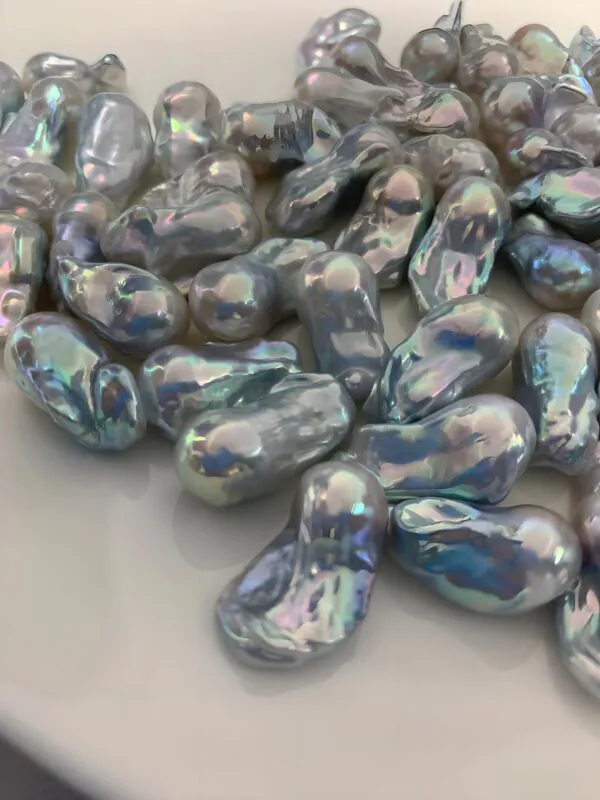
- use baroque or irregular pearls for a less uniform look;
- wear a classic pearl piece with casual clothing rather than trying to make the entire outfit “pearl themed.”
If age perception is your main concern, our guide to pearls for younger wearers goes deeper into how size, shape, jewelry format, and styling change the overall impression.
What Pearl Jewelry Is Most Practical for Classes?
Pearl studs
Studs are usually the easiest student option because they stay close to the ear and do not move much. They are less likely than long earrings to catch on scarves, coat collars, hair, or bag straps. They also work well when the wearer moves between casual and more polished settings.
Single pearl pendants
A pendant is another practical choice because one pearl gives the jewelry a clear focal point without the visual formality of a full strand. It can also be layered with a plain chain if the wearer prefers a more casual look.
Small drops or pearl hoops
These can feel more expressive than studs while remaining easy to wear. For long days, however, very long drops or heavy statement earrings may become annoying under headphones, winter clothing, or while commuting.
Short pearl necklaces
A simple strand can absolutely work for students, especially if the pearls are small to medium in scale or the design is intentionally modern. The key is whether the wearer actually likes necklaces and will wear the piece outside formal events.
Pearl rings and bracelets
These are not unsuitable, but they receive more contact with desks, bags, door handles, handwashing, keyboards, and everyday surfaces. A student who wants very low-maintenance pearl jewelry may find earrings or a pendant easier.
What Pearl Size Is Good for a Student?
There is no student-specific pearl size. Size changes visual presence, not whether the wearer is the “right age.”
As practical starting points:
- 5–7 mm studs look delicate and understated;
- 6–8 mm studs are more visible while remaining easy for everyday wear;
- 7–9 mm pendants give a single pearl enough presence without dominating the neckline;
- 5–8 mm strands can range from fine and youthful-looking to classic depending on the design;
- larger pearls can still work for students if the wearer likes a stronger statement.
These are style ranges, not age rules. A 10 mm baroque focal pearl on a simple chain can look more casual than a perfectly matched 6 mm formal strand. If you want to compare how millimeter size changes earrings, pendants, and necklaces, see the pearl size guide.
Which Pearl Type Makes the Most Sense for a Student Budget?
For many student buyers, cultured freshwater pearls are the easiest place to start. The category includes a wide range of shapes, sizes, colors, and price points, so it is possible to find real pearl jewelry without immediately moving into high-cost pieces.
That does not mean freshwater pearls are “student pearls” or lower-status pearls. Good freshwater pearls can have strong luster and attractive surfaces, and some high-quality pieces can be expensive. They simply give buyers a broad field of options.
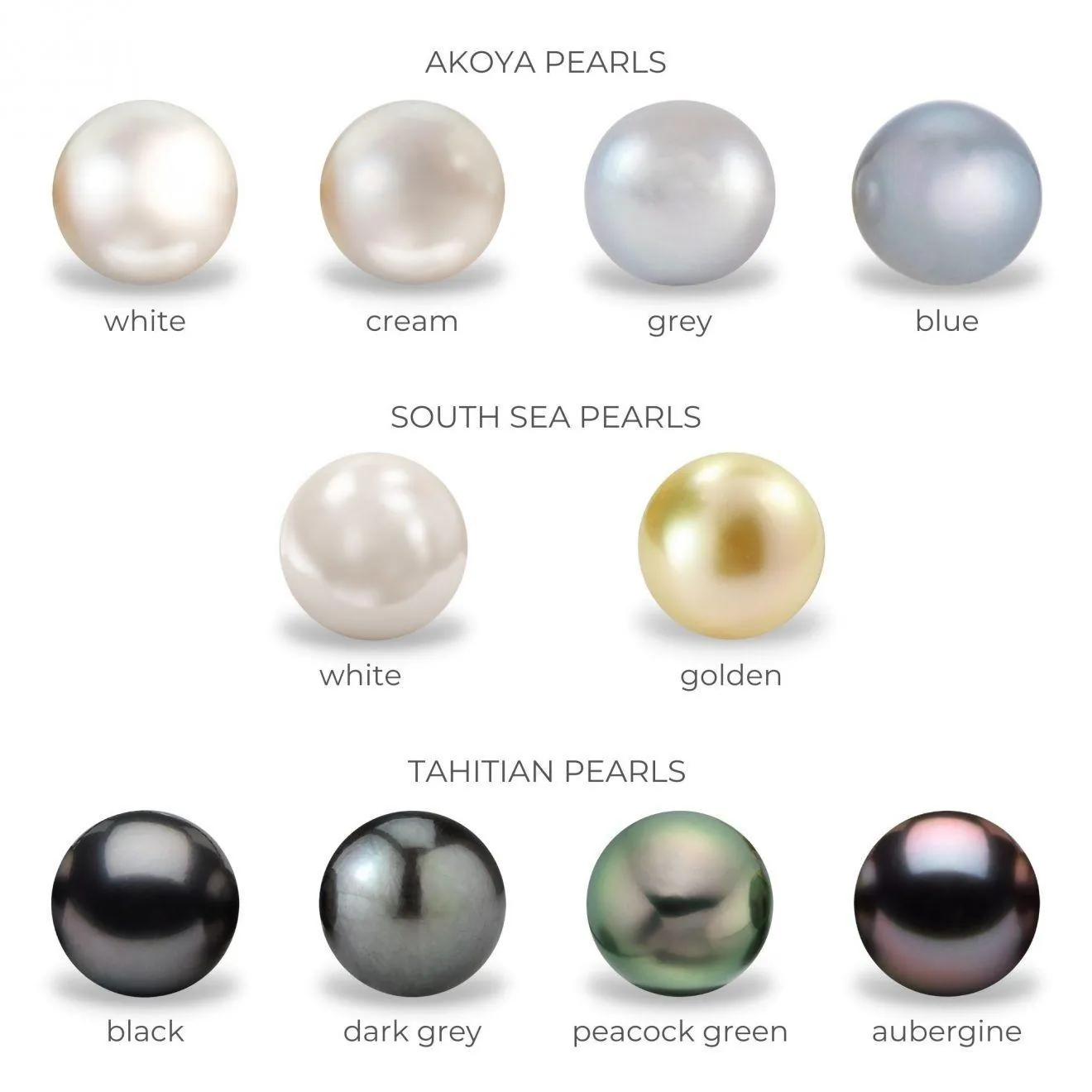
Akoya pearls may appeal to someone who specifically wants a very classic round white pearl look with sharp luster. Tahitian and South Sea pearls tend to create a larger or more distinctive visual statement and often sit at higher price points, but there is no age requirement for wearing them.
If the goal is to find genuine pearl jewelry at an approachable starting point, browsing freshwater pearl jewelry can make more sense than choosing a pearl type for prestige alone.
How Much Should a Student Spend on Pearls?
There is no sensible “student price” that applies to everyone. A better rule is to match the purchase to how the jewelry will actually be used.
If this is a first pearl purchase, prioritize one piece that can be worn frequently instead of buying a matching necklace, earrings, and bracelet at once. A student who wears earrings every day may get more value from one good pair of studs than from a more expensive strand that stays in a box.
Also remember that size is only one part of pearl value. GIA evaluates pearls using several factors, including size, shape, color, luster, surface, nacre, and matching. Paying more only to gain an extra millimeter is not always the best use of a limited budget.
Our pearls-by-budget guide explains what tends to change as spending increases and where the visible differences matter most.
Can Students Wear Pearls Every Day?
Yes, but everyday wear should still be thoughtful. Pearls are not as hard as many gemstones and can be scratched or dulled by rough contact and chemicals. GIA advises keeping pearls away from substances such as perfume, hairspray, cosmetics, and harsh cleaning agents, and recommends wiping them with a soft cloth after wear.
For student life, that translates into a few practical habits:
- put pearls on after cosmetics, fragrance, sunscreen, or hair products;
- remove them for swimming, showering, sports, or activities where they may be struck or snagged;
- follow school or laboratory safety rules when jewelry is restricted;
- do not throw pearls loose into a backpack or pencil case with keys and metal objects;
- store them separately when you get home;
- wipe them gently after a hot or sweaty day.
The point is not that pearls are too fragile for students. It is that student life can be physically busy, so a little routine care matters. For a fuller maintenance guide, see how to care for pearls.
When Should a Student Not Wear Pearls?
There is no social rule saying students should avoid pearls, but there are situations where any jewelry may be impractical.
PE classes, contact sports, swimming, chemistry laboratories, workshops, machinery rooms, and some clinical or food-service environments may have safety or hygiene rules. Long earrings and necklaces may also be inconvenient when wearing helmets, heavy headphones, scarves, or equipment.
In those situations, the question is not whether pearls are “too formal.” It is whether jewelry is safe and appropriate for the activity. A useful everyday piece should be easy to remove when needed.
Are Pearls Good for Presentations, Interviews, and Graduation?
Yes. These are actually some of the situations where a student's pearl jewelry becomes especially useful.
A presentation or interview often calls for looking a little more intentional than on an ordinary class day. Simple studs or a pendant can add polish without making the jewelry the center of attention. For graduation, the same piece can work with formal clothing and then continue to be worn afterward.
This is one reason a versatile design often makes more sense than buying something extremely ceremonial. The best student pearl purchase is usually not the piece that looks most impressive in the box. It is the one that works on an ordinary Tuesday and still feels appropriate at graduation.
A Simple Decision Rule for Students
If you are deciding whether a pearl piece fits student life, ask four questions:
- Would I wear this with my normal clothes? If it only works with formalwear, it may not get much use.
- Will it stay out of my way? Consider headphones, bags, uniforms, labs, sports, commuting, and long days.
- Am I paying for qualities I can actually see and appreciate? Good luster and an attractive overall appearance may matter more than chasing maximum size.
- Can I care for it reasonably? If the piece feels too precious to wear, a simpler design or more modest budget may be a better first purchase.
If the answer to those questions is yes, pearls are not merely “suitable” for students. They can be one of the more versatile pieces in a small jewelry collection.
Frequently Asked Questions
Can high school students wear pearls?
Yes, if the school's dress code allows jewelry. Small studs, a simple pendant, or another secure design is usually easier for daily school life than long earrings or elaborate necklaces. Remove jewelry for activities where school or safety rules require it.
Are pearls suitable for college students?
Yes. Pearls can work with ordinary campus clothing as well as presentations, interviews, internships, dinners, and graduation. Choose the piece according to personal style and daily routine rather than age.
Are pearl studs too formal for class?
No. Small or medium pearl studs can look very simple with casual clothing. They become more formal mainly when they are combined with other traditional or highly coordinated elements.
Are freshwater pearls a good first pearl for a student?
Often, yes. Freshwater cultured pearls are available in many shapes, colors, sizes, and price ranges, which makes them a practical category to explore for a first purchase. Quality still varies, so judge the individual piece rather than assuming all freshwater pearls are the same.
What is the best pearl jewelry for a student gift?
If you do not know the recipient's exact style, simple studs or a single pendant are usually safer than a full strand or matching set. They are easier to combine with everyday clothing and can still be worn for formal events.
Can a student wear pearls every day?
Yes, with reasonable care. Avoid rough activity, chemicals, swimming, and situations where jewelry may be snagged or damaged. Wipe pearls gently after wear and store them separately from harder jewelry.
Final Takeaway
Pearls are suitable for students when the jewelry fits student life. That usually means choosing a piece that is comfortable, versatile, reasonably priced for the wearer, and easy to remove when an activity makes jewelry impractical.
You do not need to choose the smallest pearls because you are young, and you do not need an expensive pearl type to make the jewelry “proper.” Start with the way the student actually dresses and lives. For many people, a simple pair of studs or a single pendant will do more work than a complete formal set.
The best choice is the pearl piece that gets worn—not the one that waits for a special occasion.