Usually, no. Pearls are not automatically too formal or too showy for work. What matters is how much visual attention the jewelry creates and how many “dressy” signals appear at the same time. Small pearl studs, a single pendant, or a restrained strand can look completely natural in an office. Large pearls, multiple strands, dramatic drops, heavy sparkle, or a full matching set will attract more attention.
The useful distinction is that formal and showy are not the same thing. A neat strand of evenly matched white pearls can look quite traditional and formal without being loud. Oversized baroque pearl earrings can feel modern and casual in spirit while still being visually prominent. Once you separate those two ideas, choosing pearls for work becomes much easier.
Why Do Pearls Sometimes Feel “Too Formal” at Work?
Pearls carry a long history of being worn with tailored clothing, ceremonial dress, weddings, and classic evening jewelry. That association is strongest when several traditional elements appear together: round white pearls, very even matching, a symmetrical strand, a polished clasp, coordinating earrings, and a formal outfit.
None of those elements is a problem by itself. The effect becomes noticeably formal when they accumulate. A white pearl necklace with a structured suit, pearl studs, a silk blouse, and dress shoes can look intentionally classic. Put the same necklace over a simple knit top or under an open shirt, and the impression changes.
This is why the better question is not “Are pearls formal?” but “How many formal signals am I combining?”
Formal and Showy Are Two Different Scales
Workplace jewelry is easier to judge if you think about it on two separate axes: how traditional or formal it feels, and how much attention it demands.
| Pearl style | Formality | Visual attention | Typical workplace effect |
|---|---|---|---|
| Small round pearl studs | Moderately classic | Low | Quiet, polished, easy to repeat |
| Single pearl pendant | Low to moderate | Low | Simple and contemporary |
| Uniform white pearl strand | Higher | Moderate | Classic and intentional |
| Large baroque pearl drops | Lower in the traditional sense | High | Creative, modern, more noticeable |
| Layered pearl necklaces | Depends on design | High | Fashion-led rather than discreet |
This distinction also explains why “just choose small pearls” is incomplete advice. Size matters, but so do movement, contrast, number of pearls, metal details, sparkle, and the rest of the outfit.
What Actually Makes Pearl Jewelry Look Showy?
1. Scale
A larger pearl creates a stronger focal point, especially near the face. With earrings, 6–8 mm pearls generally read more quietly than 9–10 mm or larger pearls, although face proportions, setting design, hairstyle, and personal style all change the result. On a full necklace, diameter has an even stronger effect because the size repeats around the entire neckline.
If you are unsure how different millimeter sizes change the look, the pearl size guide compares common earring and necklace proportions in more detail.
2. Quantity
One pearl rarely dominates an outfit. Twenty, forty, or sixty pearls create a much larger visual area. That is why a single pendant often feels less formal and less noticeable than a full strand even when the individual pendant pearl is larger.
The same principle applies to matching sets. Earrings plus necklace plus bracelet may look coordinated, but wearing every piece together can make pearls feel like the theme of the outfit rather than one accessory within it.
3. Movement and embellishment
Long drops, swinging earrings, multiple chains, crystals, diamonds, highly reflective metal, and elaborate settings all increase visual activity. A pearl does not need to be large to become a statement if the design around it is complicated.
4. Contrast
White pearls against black or navy clothing are highly visible. Dark Tahitian pearls against a white shirt can create the same kind of contrast. If you want the jewelry to recede slightly, choose a pearl color, metal, and clothing palette that sit closer together visually.
How Formal Is Your Workplace?
There is no universal office rule because “workplace” can mean a law firm, a hospital administration office, a design studio, a university, a retail floor, a home office, or a technology company. The safest way to judge pearl jewelry is to use the existing clothing culture around you as the reference point.
Conservative or client-facing workplaces
When clothing is structured and jewelry tends to be restrained, pearls fit naturally—but understated designs usually integrate best. Stud earrings, short drops with little movement, a fine pendant, or a moderate-size single strand can add polish without becoming the first thing people notice.
If you want one low-effort work option, pearl earrings are especially practical because they stay visually contained near the face and do not compete with most collars or jacket lapels.
Business-casual and hybrid workplaces
This is where pearls have the widest range. A single pendant with knitwear, small baroque drops with a shirt, pearl-and-metal designs, or a simple strand with an open collar can all work. The key is to avoid making every other element equally polished if you want the overall look to feel relaxed.
Creative or fashion-led workplaces
You can usually push size, asymmetry, color, baroque shapes, layering, and mixed materials further. In this setting, the main question may be less about formality and more about whether the jewelry is comfortable and whether it distracts from practical work.
The Easiest Way to Make Pearls Look Less Formal
If a pearl piece feels too dressy, you usually do not need to replace it. Change one surrounding variable.
- Reduce matching: wear pearl earrings without the matching necklace, or wear the necklace alone.
- Add a relaxed texture: knitwear, cotton shirting, denim, matte wool, or an unstructured blazer can soften a very polished pearl piece.
- Use a more modern format: a pendant, huggie with a pearl drop, asymmetrical design, or baroque pearl often feels less ceremonial than a perfectly matched strand.
- Let one element lead: if the pearls are large, keep the rest of the jewelry quiet; if the outfit is very formal, choose a simpler pearl piece.
This “change one variable” method is more useful than a rigid rule such as “never wear a pearl necklace to work.” The same necklace can read as corporate, vintage, minimalist, or casual depending on what surrounds it.
If the Pearls Feel Too Showy, Reduce Attention Rather Than Formality
When the problem is visibility rather than tradition, use a different set of adjustments. Reduce pearl size, shorten the drop length, remove extra sparkle, wear fewer pieces, or choose a design with less movement. You can keep a polished, professional feel while lowering the amount of visual competition.
This matters because trying to make pearls “less formal” can sometimes make them more noticeable. Replacing small classic studs with huge irregular baroque drops may make the look less traditional, but it does not make it quieter.
Are Pearl Studs the Safest Choice for Work?
They are one of the easiest choices, but they are not the only one. Small to medium pearl studs have several practical advantages: they do not swing, they usually work with headsets and collars, and they add a clear point of light without occupying much visual space.
A 6–8 mm range is a useful starting point for someone who wants an understated look. Around 8–9 mm becomes more noticeable while still feeling comfortable for many wearers. Larger studs can also work perfectly well if you enjoy the scale. These are proportions, not dress-code laws.
Can You Wear a Pearl Necklace Without Looking Overdressed?
Yes. The necklace format matters more than the fact that it contains pearls.
A single pearl pendant is usually the least formal option because the chain creates visual space around the pearl. A fine or smaller-diameter strand can feel understated. A highly matched medium or large round strand has a stronger classic identity, especially when worn close to the neck with tailored clothing.
If a classic strand feels too ceremonial, try wearing it with a simple crew-neck knit, an open-collar shirt, or a less structured jacket instead of adding more traditional accessories. You can also compare different pearl types, shapes, and proportions in our pearl buying guide before choosing a piece specifically for frequent wear.
What About Baroque or Dark Pearls?
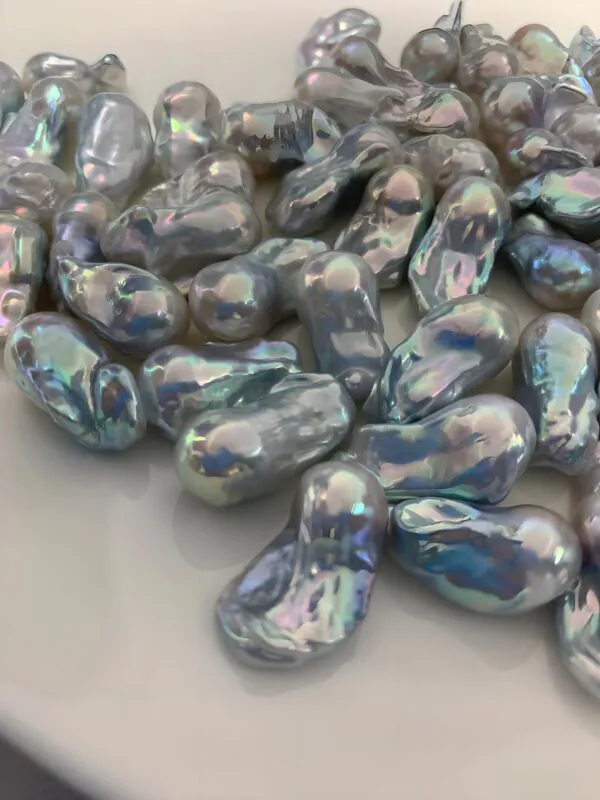
Baroque pearls can reduce the traditional “perfect pearl strand” feeling because their irregular shapes introduce texture and individuality. But irregular does not automatically mean subtle. A large baroque drop can attract much more attention than a small round stud.
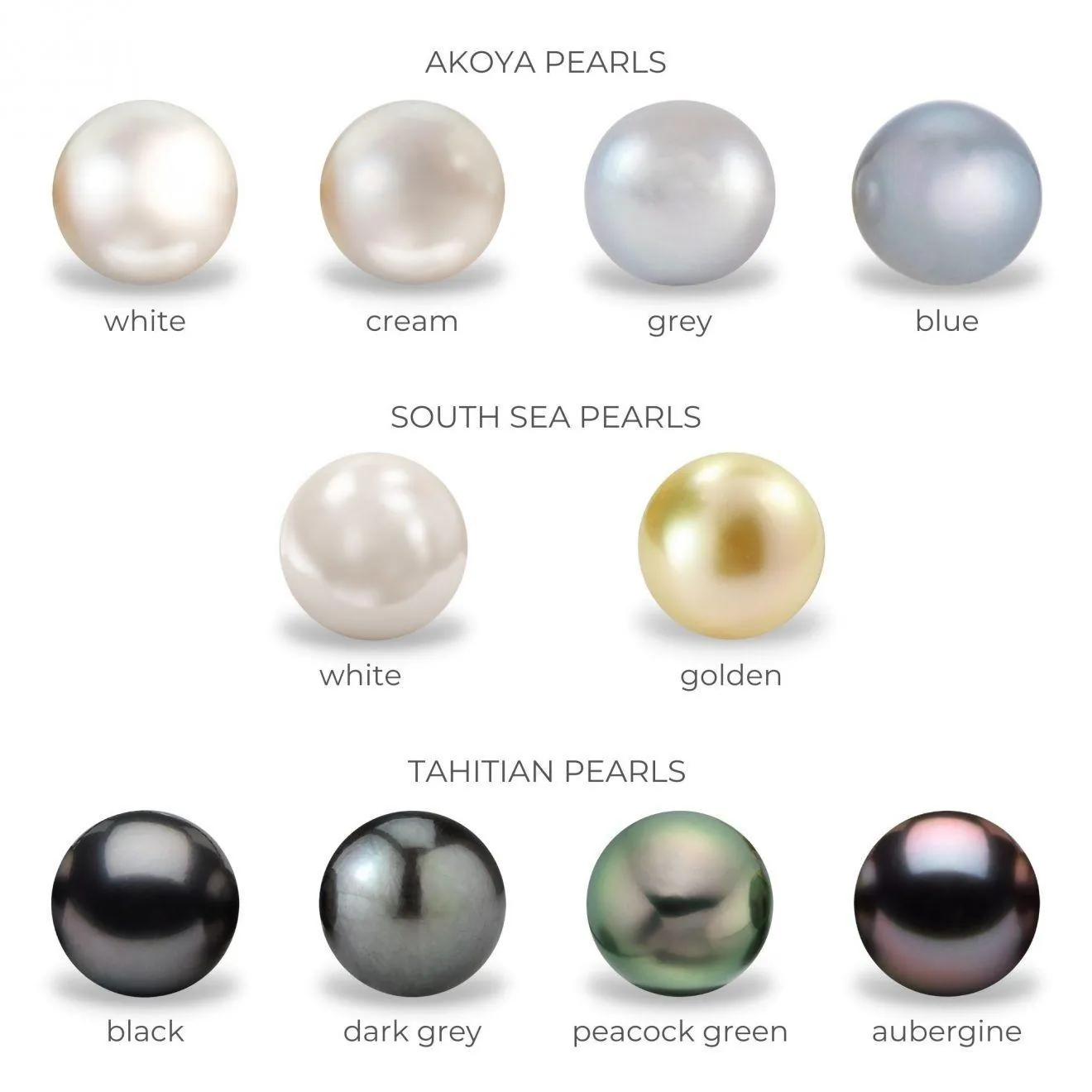
Dark Tahitian pearls can also feel less bridal or conventional than white pearls, especially as a single pendant or pair of studs. Their stronger color, however, may create high contrast with light clothing. Again, modern and quiet are different goals.
Do You Need to Avoid Matching Pearl Sets?
No, but matching sets make the pearl theme more obvious. In a formal office, that can look polished and entirely appropriate. In a relaxed workplace, the same set may feel more dressed up than necessary.
If you are worried about looking overstyled, separate the pieces. Wear the studs on one day and the necklace on another. This keeps the quality and elegance of the pearls while reducing the sense that you dressed for a special occasion.
Comfort and Practicality Matter More Than Style Rules
Work jewelry has to survive a real workday. Earrings and pendants are often easier for frequent wear because they encounter less desk friction. Bracelets can rub against laptops and desks, while pearl rings are more exposed to knocks, hand washing, sanitizer, and repeated contact.
If you plan to wear pearls often, basic care matters more than saving them only for special occasions. Put them on after perfume, hairspray, and cosmetics when possible, wipe them gently after wear, and store them away from harder jewelry. Our pearl care guide covers the practical routine in more detail.
A Simple Workplace Test
Before leaving for work, look at the complete outfit rather than judging the pearls in isolation. If your eye goes to your face and overall appearance first, with the pearls acting as a finishing detail, the balance is probably right for most professional settings. If the jewelry is the first thing you notice—and that is not your intention—remove one pearl piece, reduce the scale, or simplify the surrounding accessories.
Also consider what you actually do during the day. A creative director presenting to clients may be comfortable with a bold pearl statement. Someone wearing a headset for hours may prefer studs. A workplace with machinery, laboratory rules, food handling requirements, or other safety restrictions may have practical jewelry limits that matter more than fashion.
Bottom Line: Pearls Are Only as Formal or Showy as the Way You Style Them
Pearls are not inherently too formal for the workplace. Their formality comes from design language—matching, symmetry, roundness, traditional settings, and the clothing around them. Their showiness comes from visual scale—size, quantity, contrast, movement, sparkle, and layering.
For a restrained office look, choose one clear pearl element and let it support the outfit. For a more creative workplace, increase shape, color, size, or asymmetry as far as your environment and personal style allow. The goal is not to make pearls invisible. It is to make the amount of attention they receive feel intentional.
FAQ
Are pearl earrings too formal for everyday office wear?
No. Pearl studs and restrained drops are among the easiest pearl styles to wear regularly. They can look classic, modern, or casual depending on size, setting, metal, and clothing.
What pearl size is best for work?
For earrings, roughly 6–8 mm is a useful understated starting range, while 8–9 mm gives more presence. Larger sizes can still work; the best choice depends on your proportions, office culture, and how noticeable you want the jewelry to be.
Is a pearl necklace appropriate for a business-casual office?
Yes. Single pearl pendants, fine strands, and moderate-size necklaces are easy to integrate into business-casual outfits. A very uniform classic strand will look more traditional, but it can be relaxed with knitwear, an open shirt, or a less structured jacket.
Are baroque pearls better for a less formal workplace?
They can be. Their irregular shapes often feel more contemporary and less ceremonial than perfectly round matched pearls. Large baroque designs can still be visually bold, so choose scale separately from shape.
Should I wear a pearl necklace and pearl earrings together at work?
You can, especially in a formal environment. If the combination feels too coordinated or dressy for your workplace, wear one piece at a time rather than abandoning pearls altogether.