When people first begin learning about cultured pearls, they often hear one simplified idea: nucleation affects quality. That is true—but only partly true. Nucleation matters because it shapes the pearl’s starting structure and growth tendency. It can influence how round a pearl is likely to become, how size develops, how consistent a batch may be, and how nacre forms around the center.
But nucleation alone does not decide whether a pearl is beautiful or valuable. Finished pearl quality still has to be judged through the factors you can actually see and evaluate: nacre quality, luster, surface quality, shape, size, color, and—when pearls are matched in pairs or strands—matching. If you want a broader overview of how we approach cultured pearl selection at MJ Pearls, you can also explore our freshwater pearl sourcing and education resources.
That distinction matters for buyers, collectors, designers, and wholesale customers alike. In the pearl trade, “nucleated” and “non-nucleated” are often treated like shortcuts for “better” or “worse.” In reality, they are not quality verdicts. They describe different cultivation structures. A professional understanding of pearl quality starts by separating the internal growth structure from the finished appearance of the pearl.
What Is Nucleation in Pearl Culturing?
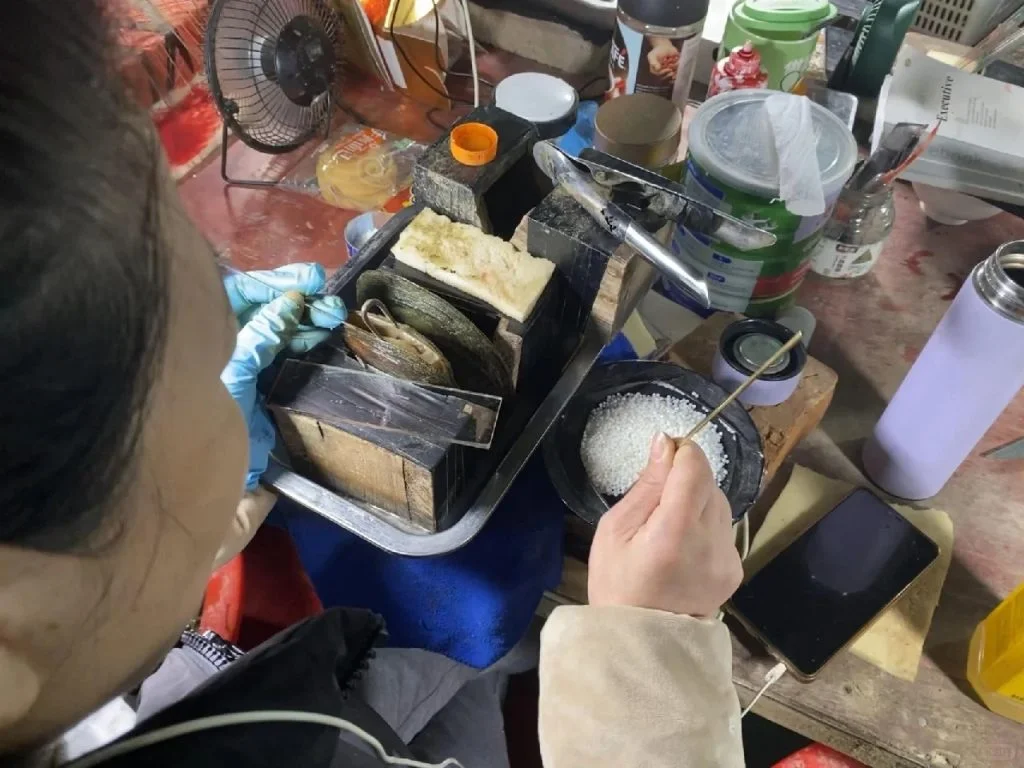
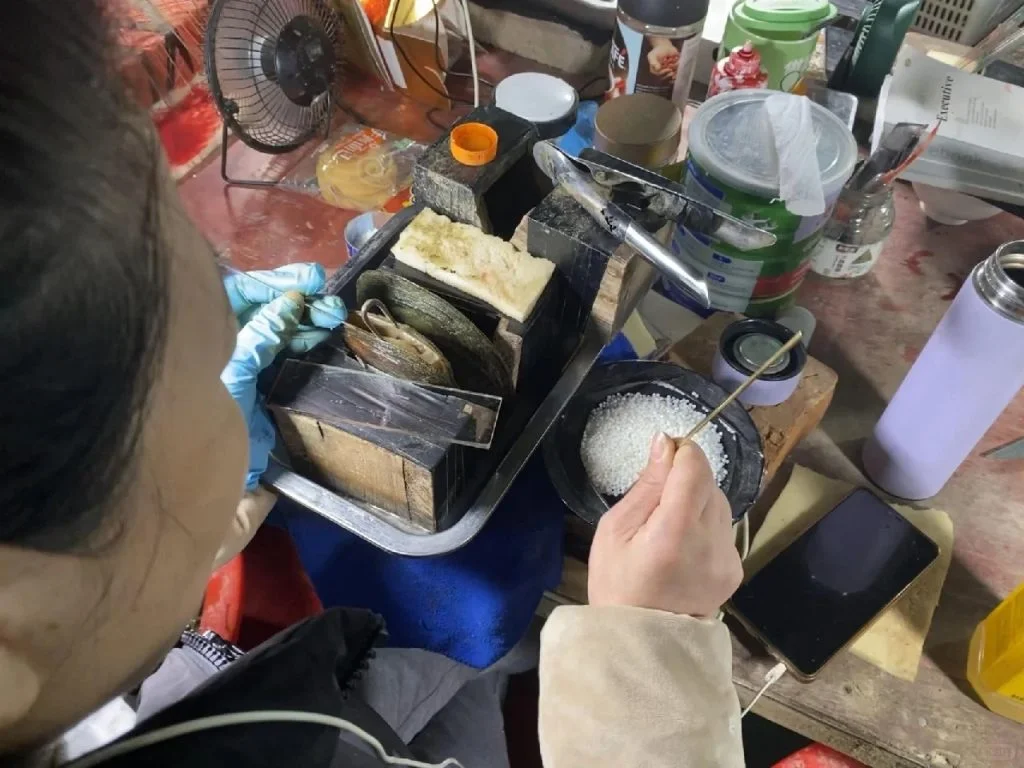
Nucleation is the intentional step that starts pearl formation in cultured pearl production. Depending on the pearl type, this may involve inserting a bead nucleus, a piece of donor mantle tissue, or a combination of both. That is why cultured pearls do not all have the same internal structure. Some are bead-cultured, while others are beadless.
This is where many oversimplifications begin. Beaded does not automatically mean better, and beadless does not automatically mean superior. These methods create different growth conditions, different visual tendencies, and different commercial outcomes. Understanding that difference is more useful than treating one word—“nucleated”—as a final judgment on quality. For a gemological overview of pearl structure and terminology, GIA’s pearl education materials are a useful reference: GIA Pearl Quality Factors.
How Nucleation Influences Pearl Quality
1. Shape: Why Nucleation Often Affects Roundness and Symmetry
One of the clearest ways nucleation can affect quality is through shape. In many bead-cultured pearl systems, the nucleus gives the pearl a more defined geometric starting point. That does not guarantee a perfectly round pearl, but it can increase the likelihood of rounder or more symmetrical results when other conditions are favorable.
At the same time, buyers should be careful not to overread shape. A round pearl is not automatically a better pearl in every context. Some pearl categories are valued for character, individuality, or baroque form rather than strict symmetry. So nucleation may influence shape tendency, but desirability still depends on the type of pearl and the intended use. If you work with more organic shapes, you may also want to compare this with our baroque pearl selection to see how character and asymmetry can create value in a different way: baroque pearl strand example.
2. Size Potential: Why Nucleation Can Support More Controlled Growth
Nucleation also affects how size develops. A bead nucleus changes the starting structure of the pearl and can help create a more predictable size outcome in certain cultured pearl systems. This is one reason bead-cultured pearls are often preferred when the goal is calibrated production, matched jewelry, or commercial consistency.
However, size is never controlled by nucleation alone. Growth time, oyster or mussel health, and farming conditions still matter. A larger pearl is not automatically a better pearl. Size adds value only when it is supported by good nacre development, attractive luster, and a clean enough surface. For buyers comparing different freshwater options by appearance and commercial use, our freshwater pearls wholesale collection is a helpful place to see how size, shape, and drilling style affect sourcing decisions.
3. Nacre Quality: The Part Most People Oversimplify
If there is one place where buyers oversimplify pearl quality, it is nacre. Many people focus on whether a pearl has a nucleus, but the more important question is how nacre formed around that structure. A nucleus can shape the pearl’s internal starting point, but it does not guarantee fine nacre.
If nacre is too thin, uneven, or weak in continuity, the pearl may appear duller, less refined, or less durable over time. In other words, nucleation influences structure, but nacre quality determines how successfully that structure matures into a finished pearl.
This is also why two pearls with similar cultivation structures can look very different in real life. The inner setup may be similar, but the nacre result may not be. If you want to read more about how gem laboratories evaluate nacre and pearl quality, GIA’s technical explanation is worth reviewing here: expanded nacre classification guidance.
4. Luster and Surface Quality: Why the Nucleus Does Not Create the Finish
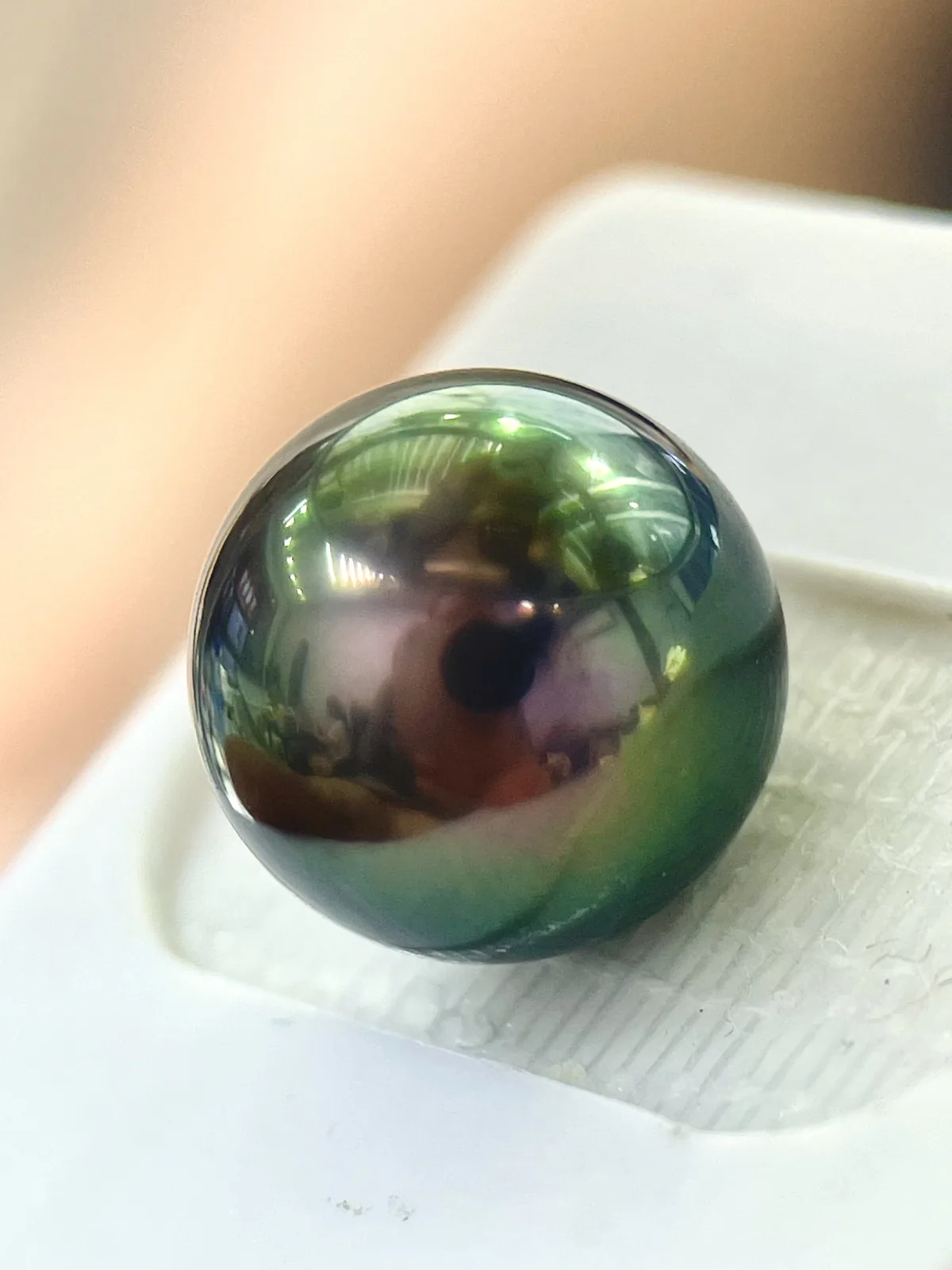
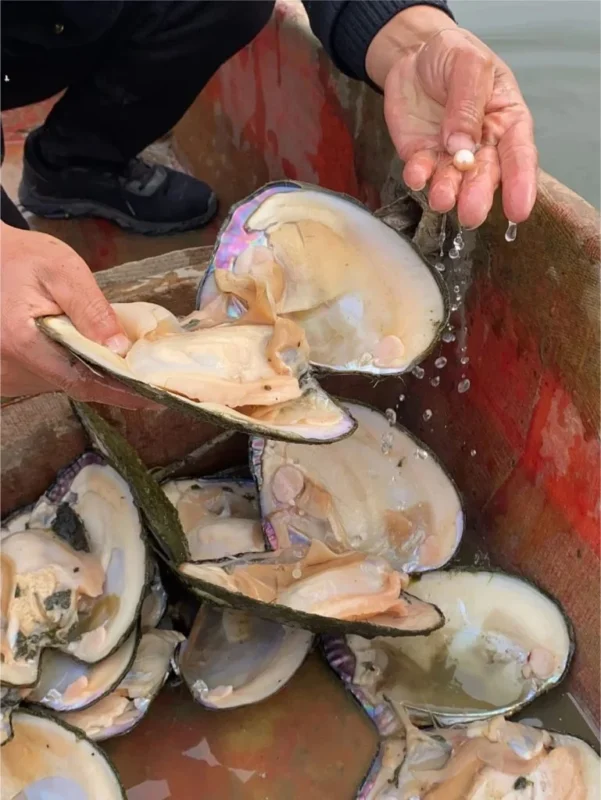
Luster is one of the most important beauty factors in pearls, and it cannot be reduced to the presence or absence of a nucleus. A pearl’s finish depends on how well nacre formed, how evenly the layers developed, and how stable growth conditions were during cultivation.
This is why two pearls with similar cultivation structures can still look very different face-up. One may have sharp reflections and a lively glow, while another looks flatter or softer. The nucleus may influence the pearl’s starting architecture, but it does not guarantee a fine finish. That finish is earned through successful nacre development.
If you are comparing finished pearls for jewelry making rather than studying structure alone, it also helps to look at real sourcing examples across different product types and matching standards in our MJ Pearls blog and education section.
5. Consistency and Matching: Why Nucleation Matters More in Commercial Sorting
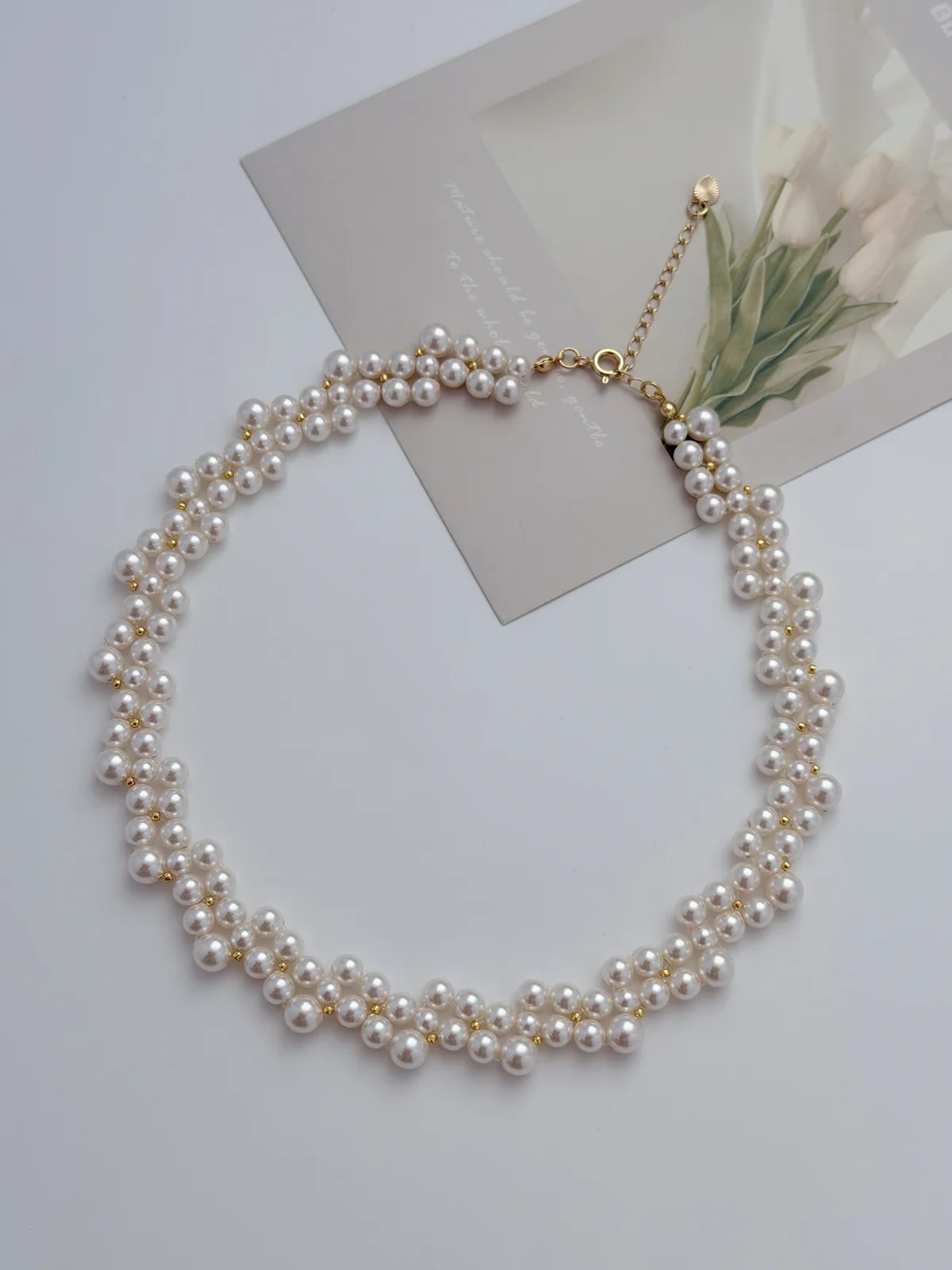
Nucleation becomes especially important when pearls are evaluated not only as single gems but as pairs, strands, or matched lots. In those contexts, consistency matters. Buyers sourcing pearls for earrings, graduated necklaces, or wholesale lots often care deeply about repeatability in shape, size, and overall appearance.
This is one reason nucleation matters so much in commercial production. It can help improve predictability and sorting efficiency. But even here, it is still only part of the picture. Matching also depends on color harmony, luster balance, surface cleanliness, and overall visual compatibility.
What Nucleation Cannot Do
Nucleation matters—but it has limits. It cannot guarantee high luster. It cannot guarantee a clean surface. It cannot compensate for weak nacre development. And it cannot fully overcome poor farming conditions.
That is why experienced pearl professionals do not judge quality from cultivation structure alone. They understand that nucleation sets the stage, but the final result still depends on what happens after that stage is set.
Why Pearl Quality Is Never About Nucleation Alone
Pearl quality is always multi-factor. The biology of the host matters. The donor tissue matters. The farming environment matters. Time in the water matters. The final result is shaped by interacting structural, biological, and environmental factors.
This broader view is important because it keeps buyers from making overly simple assumptions. A pearl should not be judged as “good” just because it is beadless, and it should not be dismissed just because it is bead-cultured. Those labels tell you something about growth structure, but not the full story of finished quality. For a more technical pearl science summary, SSEF’s pearl basics material is also useful background reading: SSEF Pearl Basics.
How to Judge a Pearl More Professionally
Instead of asking only, “Is it nucleated?” a better set of questions would be:
- How strong is the luster?
- How clean is the surface?
- How good is the nacre quality?
- Is the shape desirable for this pearl type and purpose?
- Is the size supported by good appearance and durability?
- If the pearls are sold as a pair or strand, how well are they matched?
This is the more professional way to evaluate pearls, because it connects internal understanding with finished appearance. It also reflects how serious pearl grading frameworks are built. If you are sourcing for wholesale rather than buying a single finished item, you can also start from our freshwater pearl wholesale pages and compare how quality priorities change by pearl type, size range, and intended use.

The Real Takeaway
Nucleation does affect pearl quality—but not in the simplistic way many people assume. It influences the pearl’s starting structure, growth tendency, and commercial controllability. It can affect shape tendency, size potential, nacre development, and consistency.
But finished pearl quality must still be judged by what the pearl actually became: its luster, surface, nacre quality, shape, size, color, and matching.
The most professional way to understand pearl quality is not to ask whether nucleation matters. It does. The better question is how much it matters, in what way it matters, and what still matters more once the pearl is fully formed.