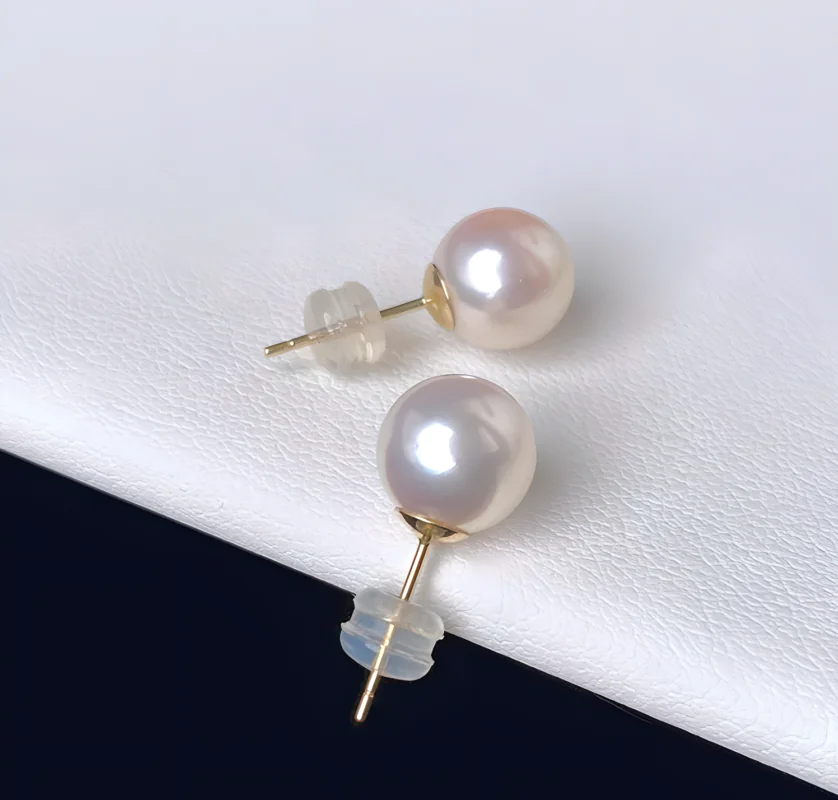
How to Store Pearls: Why They Should Be Kept Separate from Other Jewelry
Pearls should be stored separately from most other jewelry because their surface is much softer than diamonds, many colored gemstones, and even the metal components of jewelry itself. The safest everyday method is simple: wipe pearls after wearing them, place each piece in a soft pouch or fabric-lined compartment, keep pearl strands flat, and avoid hot or extremely dry storage conditions.
Quick Answer: What Is the Best Way to Store Pearls?
If you only remember a few rules, use these:
- Keep pearls separate from harder jewelry. Do not let them rub against diamond rings, gemstone pieces, watches, chains, clasps, or loose metal jewelry.
- Use a soft surface. A soft fabric pouch, lined jewelry box, or padded individual compartment is safer than a hard tray or an open drawer.
- Lay necklaces and bracelets flat. Long-term hanging can place unnecessary tension on the string.
- Wipe pearls before storage. A very soft clean cloth helps remove perspiration, cosmetics, and surface residue after wear.
- Do not put away a wet strand. If a strung necklace has been gently cleaned, let the thread dry completely before storing it.
- Avoid hot, extremely dry places. Pearls are sensitive to heat and dehydration, so a stable indoor environment is preferable.
These rules are more important than buying a special “pearl box.” Good pearl storage is mainly about controlling friction, pressure, residue, heat, and long-term stress on the jewelry.
Why Pearls Should Be Stored Separately from Other Jewelry
The main reason is abrasion. Pearl surfaces may look smooth and glossy, but they are relatively soft. The GIA pearl care guide places pearl at about 2.5 on the Mohs hardness scale and notes that pearls can be scratched or abraded comparatively easily.
That creates a storage problem that does not exist to the same degree with many harder gems. A pearl necklace tossed into the same compartment as diamond earrings, a sapphire ring, a watch, or a metal chain can move whenever the box is opened, carried, or shifted. Each movement creates another opportunity for harder surfaces or sharp edges to rub against the nacre.
The damage may not look dramatic at first. Instead of one obvious deep scratch, repeated contact can create fine abrasions, small marks, or a gradually less pristine surface. Since luster depends heavily on how light interacts with the pearl's surface and nacre, protecting that surface is part of protecting the pearl's appearance.
It Is Not Only Gemstones That Can Scratch Pearls
“Store pearls away from diamonds” is useful advice, but it is too narrow. The risk is not limited to diamonds or other hard gemstones.
Metal jewelry can also be a problem. Chain links, earring posts, ring edges, textured settings, watch cases, clasps, and decorative metal components can all rub against pearl surfaces. This is why a jewelry box with one large shared compartment is not ideal even if it contains no diamonds at all.
There is also a less obvious issue: one pearl jewelry piece can damage another pearl jewelry piece if their metal parts touch the pearls. For example, the clasp of one necklace may rest against the pearls of another strand, or an earring post may press against a pearl bracelet.
For valuable or frequently worn pieces, the practical rule is therefore not simply “pearls in one section, everything else in another.” It is better to give each pearl piece enough space that its own posts, clasps, pins, and chains do not rub against neighboring pearls.
What Should You Store Pearls In?
You do not need complicated equipment. The best container is one that gives the pearls a clean, soft, low-friction surface and prevents other objects from contacting them.
| Storage option | Is it suitable? | Practical note |
|---|---|---|
| Soft fabric pouch | Yes | Good for keeping one piece isolated, especially when the pouch is clean and roomy enough to avoid crushing or tangling. |
| Fabric-lined jewelry box | Yes | Use individual compartments so pearls do not rub against rings, chains, posts, or harder stones. |
| Original pearl jewelry case | Usually | A good option if the lining is still soft, clean, and free from deteriorating material or exposed hard edges. |
| Open drawer or hard tray | No | Pearls can roll, rub, collect dust, and contact other jewelry. |
| Ordinary plastic bag for long-term storage | Not recommended | A soft fabric pouch is a safer default. GIA has specifically cautioned against storing pearls in plastic bags. |
| Very dry safe or hot storage area | Not ideal long-term | Pearls should be protected from prolonged heat and excessively dry conditions. |
Mikimoto similarly recommends laying pearl jewelry separately in a compartmentalized jewelry box and using a protective pouch when carrying it. Its pearl care guidance also warns against prolonged storage in conditions that can dehydrate pearls.
How to Store a Pearl Necklace or Bracelet
Strands need slightly different care from pearl studs or rings because the string is part of the jewelry's structure.
1. Wipe the pearls after wearing
Before putting a strand away, gently wipe it with a very soft, clean cloth. This helps remove perspiration, cosmetics, skin oils, and other residue that may have transferred to the surface during wear.
This does not require aggressive polishing. The goal is to remove residue gently, not to scrub the pearl.
2. Make sure the strand is dry
If the necklace has been cleaned with a damp cloth or mild soapy water, do not immediately close it inside a pouch or box. GIA advises that the string should be completely dry before a strung pearl piece is worn again. The same precaution makes sense before storage.
A damp string can stretch more easily and may hold residue or moisture between closely spaced pearls. Let the strand dry naturally on a clean soft surface rather than using heat.
3. Fasten the clasp
Closing the clasp helps keep the metal hardware controlled instead of allowing it to swing freely into the pearls. If the clasp is large or has sharp edges, position it so it does not press directly against the pearl surface during storage.
4. Lay the strand flat
For long-term storage, lay pearl necklaces and bracelets flat rather than hanging them from a hook. A hanging necklace continuously places the weight of the pearls on the string. Over time, especially with heavier strands, that can contribute to stretching and visible gaps.
Flat storage also makes it easier to keep the strand in a natural curve without tight bends, tangles, or pressure points.
How to Store Pearl Earrings, Rings, and Pendants
Small pearl jewelry pieces have a different storage risk: their own metal hardware is often harder and sharper than the pearl.
Pearl earrings
Keep studs or drop earrings in their own padded slots or a small soft pouch. Do not let the earring posts point toward another pearl. If a pair is stored together, position the posts and backs so they cannot scrape across the pearl surfaces when the case moves.
Pearl rings
A pearl ring should have its own padded ring slot or compartment. Avoid dropping it into a tray with metal rings, gemstone rings, or bracelets. A ring setting can protect the pearl while worn, but in a crowded jewelry box the exposed pearl may repeatedly hit nearby pieces.
Pearl pendants
For a pearl pendant on a chain, separate the chain from direct contact with the pearl as much as the design allows. A fine metal chain can coil around the pearl and rub against it during transport or storage. Laying the pendant flat in a soft compartment is usually safer than letting the chain form a tight bundle around it.
Should Pearls Be Stored in an Airtight Container?
Long-term pearl storage should not be treated like moisture-sensitive metal storage. Pearls are composed largely of calcium carbonate with organic components, and they do not benefit from being kept for long periods in unusually hot or extremely dry conditions.
GIA notes that aging and dehydration can make some pearls more fragile and cautions that a very dry storage environment, such as certain safe-deposit settings, can sometimes be harmful. Mikimoto gives similar advice about prolonged storage that may dehydrate pearls.
This does not mean you should add water to a pearl box, store pearls in a humid bathroom, or deliberately keep them damp. The useful principle is much simpler: choose a normal, stable indoor environment rather than an extreme one.
For more background on why pearls react differently from many mineral gemstones, see our guide to the physical and chemical properties of pearls.
What About Plastic Bags?
For occasional transport, people sometimes put jewelry into whatever small bag is available. For long-term pearl storage, however, an ordinary plastic bag is not the best default.
GIA has specifically advised against storing pearls in plastic bags because some plastics may emit chemicals that can damage the pearl surface. A clean soft cloth pouch or a fabric-lined jewelry case avoids that concern while also giving better protection from abrasion.
The important distinction is between soft protection and sealed storage. Pearls need protection from scratches, but that does not mean they should simply be sealed as tightly as possible.
Five Common Pearl Storage Mistakes
- Throwing pearls into a mixed jewelry box. Hard stones, metal edges, posts, and chains can all contact the pearl surface.
- Hanging a pearl strand indefinitely. The necklace's weight keeps tension on the string and may encourage stretching.
- Storing pearls before they are dry. This is especially relevant after cleaning a strung necklace or bracelet.
- Leaving perfume, perspiration, or cosmetics on the surface. A quick gentle wipe after wear makes storage safer.
- Putting pearls somewhere hot or extremely dry for months or years. A stable room-temperature environment is a better long-term choice.
These mistakes are easy to avoid because none require specialized equipment. In most homes, a separate soft pouch or lined compartment plus a simple after-wear routine is enough.
A Simple Pearl Storage Routine
When you take pearl jewelry off, use this sequence:
- Check the pearls, clasp, posts, settings, and string for obvious damage.
- Wipe the pearl surfaces gently with a very soft clean cloth.
- If the jewelry is damp from cleaning, let it dry fully at room temperature.
- Fasten clasps and secure posts so metal components are controlled.
- Lay strands flat and place smaller pearl pieces in individual soft compartments.
- Keep the pearls away from harder jewelry and from prolonged heat or extreme dryness.
This storage routine fits into a broader care system. For cleaning, wearing, chemical exposure, and restringing guidance, continue with our complete guide on how to care for pearls.
FAQ
Can pearls be stored with other jewelry?
It is better to store pearls separately. Harder gemstones, metal chains, ring edges, earring posts, clasps, and watch components can scratch or abrade the pearl surface when pieces rub together.
Should pearl necklaces be stored flat or hanging?
Flat storage is preferable for long-term care. Hanging a strand continuously places its weight on the string and can contribute to stretching over time.
Can I keep pearls in a velvet or fabric pouch?
Yes, provided the pouch is clean, soft, and large enough that the jewelry is not crushed or tightly tangled. A fabric-lined individual compartment is also a good option.
Can pearls be stored in a plastic bag?
An ordinary plastic bag is not recommended as the default for long-term storage. GIA cautions that some plastics can emit chemicals that may damage pearl surfaces. A soft fabric pouch or lined jewelry case is a safer choice.
Should pearls be stored in a safe-deposit box?
Short-term secure storage is different from leaving pearls for years in an unusually dry environment. GIA and Mikimoto both caution that prolonged dehydration can be harmful, so the storage environment should not be extremely dry.
Do pearls need moisture while they are stored?
Pearls should not be deliberately kept wet. The practical goal is to avoid extreme dryness and heat while keeping the jewelry clean and dry after normal wear or cleaning. A stable indoor environment is usually more appropriate than trying to create artificial humidity.
Final Takeaway
The best pearl storage rule is simple: protect the surface from contact. Keep pearl jewelry away from harder gemstones and metal pieces, give each item a soft place to rest, and lay strands flat rather than leaving them under tension.
Then protect the storage environment as well. Put pearls away clean and dry, avoid prolonged heat or extreme dryness, and check strings and settings before small wear problems become failures. Pearls do not need complicated storage—they need thoughtful separation and gentle handling.