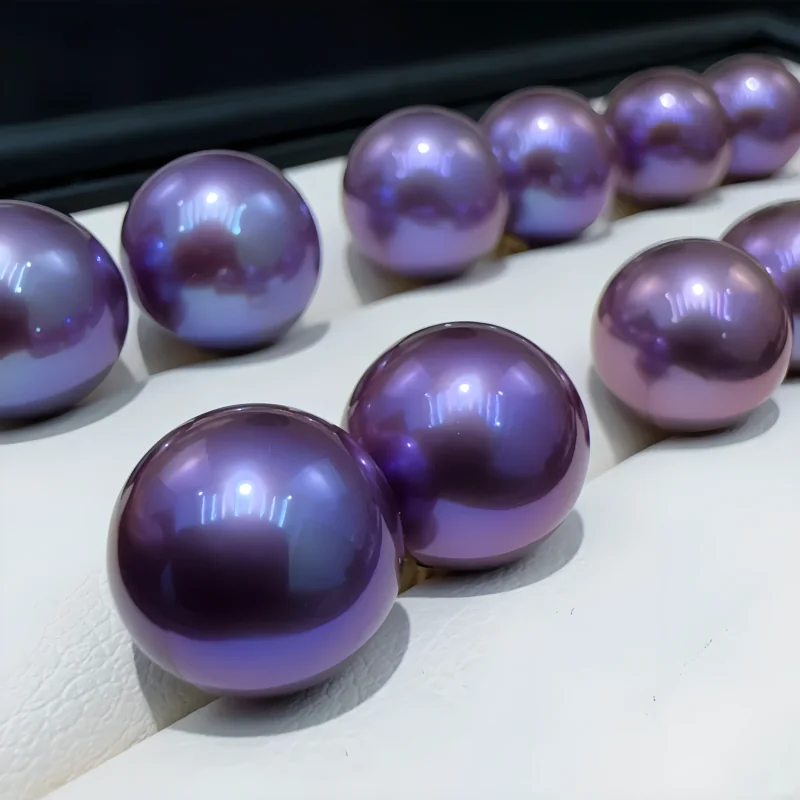
If you are buying pearls for the first time, do not try to judge everything at once. Start with luster, then look at surface quality and nacre quality. If you are buying earrings, a bracelet, or a strand, check matching as well. Shape, size, and color matter, but they are partly questions of style and budget rather than simple “better or worse” quality.
A useful beginner rule is: compare pearls of the same general type first, prioritize the qualities you can actually see, and do not pay a large premium for size or roundness while accepting dull luster.
The short answer: check pearl quality in this order
The Gemological Institute of America (GIA) describes seven pearl value factors: size, shape, color, luster, surface, nacre, and matching. GIA also notes that luster may be the most important of these factors. You can read the GIA pearl quality factors for the formal framework.
For a first-time buyer, however, the seven factors are easier to use when they are turned into a practical order of inspection:
- Confirm what kind of pearl you are comparing. Do not compare a freshwater pearl and an Akoya pearl as if they should look identical.
- Check luster first. Look for bright, lively reflections rather than a flat or chalky appearance.
- Check the surface next. Judge how visible and severe the blemishes are, not whether the pearl is absolutely flawless.
- Consider nacre quality. Poor nacre can affect both appearance and durability, although it is not always easy for a beginner to evaluate from a product photo.
- Check matching when several pearls are used together. This matters especially for stud earrings, necklaces, and bracelets.
- Choose shape, size, and color deliberately. These affect rarity, price, and style, but the most expensive option is not automatically the best choice for you.
If you want the broader buying process—including pearl types, budgets, treatments, and jewelry choices—see our complete pearl buying guide. This article focuses on the narrower question most beginners struggle with: when several pearls look similar, what should you inspect first?
Before grading quality, make sure you are comparing like with like
A common beginner mistake is to put two pearls side by side, notice that one looks different, and assume the difference is purely “quality.” Pearl type changes the expected appearance.
Akoya cultured pearls are often associated with a bright, crisp luster and classic round shapes. South Sea cultured pearls are generally larger and may show a softer, satiny-looking luster. Tahitian cultured pearls are valued for naturally dark body colors and complex overtones. Freshwater cultured pearls cover a particularly wide range of shapes, colors, sizes, and luster levels.
That means a sensible comparison is usually Akoya versus Akoya, or freshwater versus freshwater of a similar style and size. If you compare different pearl types, you should first understand what each type naturally tends to offer.
Also separate identity from quality. A cultured pearl can be genuine and still be low quality. An imitation pearl can look attractive but is not the same material. If authenticity is your main concern, resolve that question before you start comparing grades: authenticity and quality are related buying concerns, but they are not the same judgment.
1. Check luster first: it changes how alive the pearl looks
If you learn only one quality factor before your first purchase, learn luster.
Luster is not simply “shine.” It is the quality of the light reflected from the pearl's surface and underlying nacre. On a pearl with strong luster, bright areas look clear and lively, and reflections tend to have sharper edges. On a pearl with weak luster, reflections look blurred, milky, or chalky.
This is why two pearls of the same size can look dramatically different when worn. A smaller pearl with excellent luster may attract more attention than a larger pearl with a dull surface.
How a beginner can compare luster
When possible, compare two pearls under the same lighting. Look at the same part of each pearl and ask:
- Does the surface return a bright, distinct reflection?
- Does the pearl still look lively away from the strongest highlight?
- Does one pearl look noticeably hazier or chalkier than the other?
Online, comparison photos are more useful than isolated beauty shots. Strong studio lighting can make almost any pearl look bright, so consistent photography matters. Our pearl luster guide goes deeper into how different luster levels look.
2. Check surface quality, but do not demand a perfectly flawless pearl
Most cultured pearls have some surface characteristics. Small pits, spots, wrinkles, rings, or growth marks can be part of normal pearl formation. A beginner does not need to reject every visible mark.
Instead, judge surface characteristics by four questions:
- How many are there?
- How large or deep are they?
- Where are they located?
- Do they affect the pearl's beauty or durability?
A tiny mark near a drill hole can matter far less than a deep pit on the most visible face of a pendant pearl. GIA similarly notes that minor surface characteristics have less effect when they are few or can be hidden by drilling or mounting, while numerous or severe features can reduce value and may affect durability.
For a first purchase, surface quality is often a sensible place to compromise slightly if the pearl has excellent luster. Paying for an absolutely clean surface can become expensive, while a small natural mark may be almost invisible at normal viewing distance.
3. Nacre quality matters, but it is harder for beginners to judge
Nacre is the pearl material deposited by the mollusk. Its quality is closely connected with the way a nacreous pearl looks and wears over time. GIA notes that poor nacre quality can be associated with a dull or chalky appearance and can affect durability.
The difficulty is that a first-time buyer cannot always judge nacre quality reliably from a single product photo. This is one reason you should not rely on appearance alone when the purchase is expensive.
For ordinary jewelry shopping, look for warning signs such as an obviously chalky appearance, poor luster, or visible problems around the drill hole. For higher-value purchases, ask the seller how the pearl is described, whether any independent report is available, and what return or inspection options you have.
Do not confuse “thicker nacre” with an automatic guarantee of beauty. Pearl quality is the combined result of several factors, and different pearl types are formed differently. The practical beginner lesson is simply: do not ignore nacre, but do not pretend you can measure it precisely from a normal online photograph.
4. Matching matters only when the pearls need to look like a set
Matching is different from the other value factors because it applies to groups of pearls rather than a single pearl. For a pair of earrings, a necklace, or a bracelet, the pearls should usually look intentionally coordinated in size, shape, color, luster, and surface quality.
Good matching does not always mean every pearl is identical. A graduated necklace intentionally changes size. A multicolor strand intentionally changes color. What matters is that the variation looks deliberate and harmonious rather than accidental.
For beginners, matching is especially easy to overlook in pearl studs. Two individually attractive pearls can still make a poor pair if one is noticeably brighter, rounder, larger, or warmer in color than the other.
5. Shape affects rarity and style—not just “quality”
Round pearls are generally rarer and, all else being equal, more valuable. But that does not mean a baroque, oval, button, or drop pearl is low quality.
This distinction is important because beginners often spend too much of their budget trying to buy the roundest possible pearl. If you like a less-round shape, you may be able to choose stronger luster or a cleaner surface for the same budget.
Think of shape as a combination of rarity, symmetry, and design preference. A beautifully lustrous baroque pearl can be a better purchase for you than a round pearl that looks dull. Our pearl shape guide explains the main shape categories and how they affect appearance.
6. Size should usually come after visible quality
Size is easy to understand, which is exactly why beginners can overvalue it. Pearl diameter is measured in millimeters, and larger pearls are generally rarer and more expensive within comparable material and quality.
But size is not a substitute for luster, surface quality, or overall harmony. If your budget is fixed, moving up one size range may force you to accept weaker luster or more obvious blemishes.
For many first-time buyers, the better question is not “What is the biggest pearl I can afford?” but “What size looks right for the jewelry, and how much quality do I have to sacrifice to get larger?”
If you are unsure how millimeter measurements look when worn, use our pearl size guide before choosing a larger size simply because it sounds more valuable.
7. Color is partly quality, partly preference—and treatment should be disclosed
Pearl color includes the main bodycolor and, in many pearls, secondary overtones or orient. Certain colors can be rarer within a pearl type, but there is no single color that is “best” for every buyer.
Choose a color you actually want to wear. White, cream, silver, pink, lavender, gold, gray, green, and other tones can all be attractive in the right pearl type and jewelry design.
What matters for a buyer is knowing whether the color is natural to the pearl or produced or modified by treatment. Treatment is a separate issue from whether a pearl is cultured. In the United States, the Federal Trade Commission's jewelry guidance addresses disclosure of cultured or imitation pearls and certain pearl treatments. See the FTC guidance on advertising pearls and treatments.
Do not let an AAA or AAAA label make the decision for you
Pearl grading labels can be useful within one seller's own inventory, but beginners should be careful when comparing letter grades across different sellers.
The pearl industry has used multiple grading and classification systems, and grade terminology is not always directly aligned from one system to another. GIA describes this lack of alignment between grading systems as one reason a common descriptive framework is useful. For a beginner, the practical lesson is to ask what the pearl actually looks like rather than relying on one overall label.
When you see “AAA,” “AAAA,” “gem quality,” or another premium term, ask what the seller means by it. Does the grade describe luster, surface, shape, nacre, or some combination? Are there clear photos or specifications to support the claim?
For a deeper explanation of grading language, see our pearl grading guide.
A 5-minute comparison routine for first-time pearl buyers
If you have two or three options open in front of you, use this sequence instead of trying to remember every pearl term:
- Same category? Confirm the pearl type, jewelry type, and approximate size are comparable.
- Which one looks more alive? Compare luster first.
- Which surface marks will I actually notice? Ignore tiny marks that disappear at normal viewing distance; pay attention to severe or prominently placed blemishes.
- Is there any nacre concern? Look for dullness, chalkiness, or obvious drill-hole problems, and ask questions when the item is expensive.
- If there is more than one pearl, do they belong together visually? Check matching.
- Now decide whether rounder, larger, or a particular color is worth the extra money to you.
- Read the seller's description again. Check pearl type, cultured/imitation status, treatment disclosure where relevant, dimensions, metal, return terms, and whether the photos represent the actual item or a sample.
This order prevents a common first-purchase mistake: paying mainly for a bigger millimeter number or a more impressive grade label while overlooking the qualities that make the pearl look beautiful in real life.
What should you prioritize on a limited budget?
If you cannot maximize every factor, prioritize the differences that remain visible when the jewelry is actually worn.
A practical budget hierarchy is usually:
good luster → acceptable surface → appropriate matching → preferred shape and size.
That does not mean surface, nacre, color, or size are unimportant. It means you should avoid sacrificing the pearl's overall life and appearance just to reach a bigger size or a more perfectly round shape.
For example, a slightly off-round freshwater pearl with bright luster and only minor surface marks can be a very satisfying first purchase. Likewise, a smaller Akoya pearl with crisp luster may look more refined than a larger but noticeably dull example.
What beginners should remember
You do not need to become a gemologist before buying your first pearls. You need a reliable order of attention.
Start with the pearl type, then look at luster. Judge surface marks by severity rather than expecting perfection. Treat nacre and matching as important quality checks where relevant. Only after that should you decide how much extra you want to pay for roundness, size, or a particular color.
Most importantly, compare actual characteristics instead of trusting a single grade word. If you can explain to yourself why one pearl looks better than another, you are already making a much more informed purchase.
When you are ready to compare finished pieces, you can browse our pearl jewelry collection and apply the same checklist to the product specifications and photos.
Frequently asked questions
What is the most important pearl quality factor for a beginner?
Luster is the best place to start. GIA describes luster as potentially the most important of the seven pearl value factors. Strong luster gives a pearl brighter, sharper, more lively reflections, while weak luster can make it look dull or chalky.
Should I choose a larger pearl or a higher-quality smaller pearl?
If your budget is fixed, it is often better to protect visible quality—especially luster—before moving up in size. Larger pearls are generally more valuable when other factors are equal, but a larger pearl is not automatically more beautiful.
Are blemishes on real pearls normal?
Yes. Cultured pearls commonly show some natural surface characteristics. What matters is their number, severity, position, and whether they affect appearance or durability. A few minor marks do not automatically make a pearl poor quality.
Does a perfectly round pearl always mean better quality?
No. Roundness generally increases rarity and value, but shape is only one factor. A highly lustrous baroque or near-round pearl can be more attractive than a dull perfectly round pearl, and some buyers deliberately prefer non-round shapes.
Can I compare AAA pearls from two different sellers directly?
Not safely from the grade label alone. Sellers may use different grading criteria or thresholds. Compare the actual descriptions of luster, surface, shape, nacre, size, color, and matching, and use clear photographs or independent documentation when appropriate.