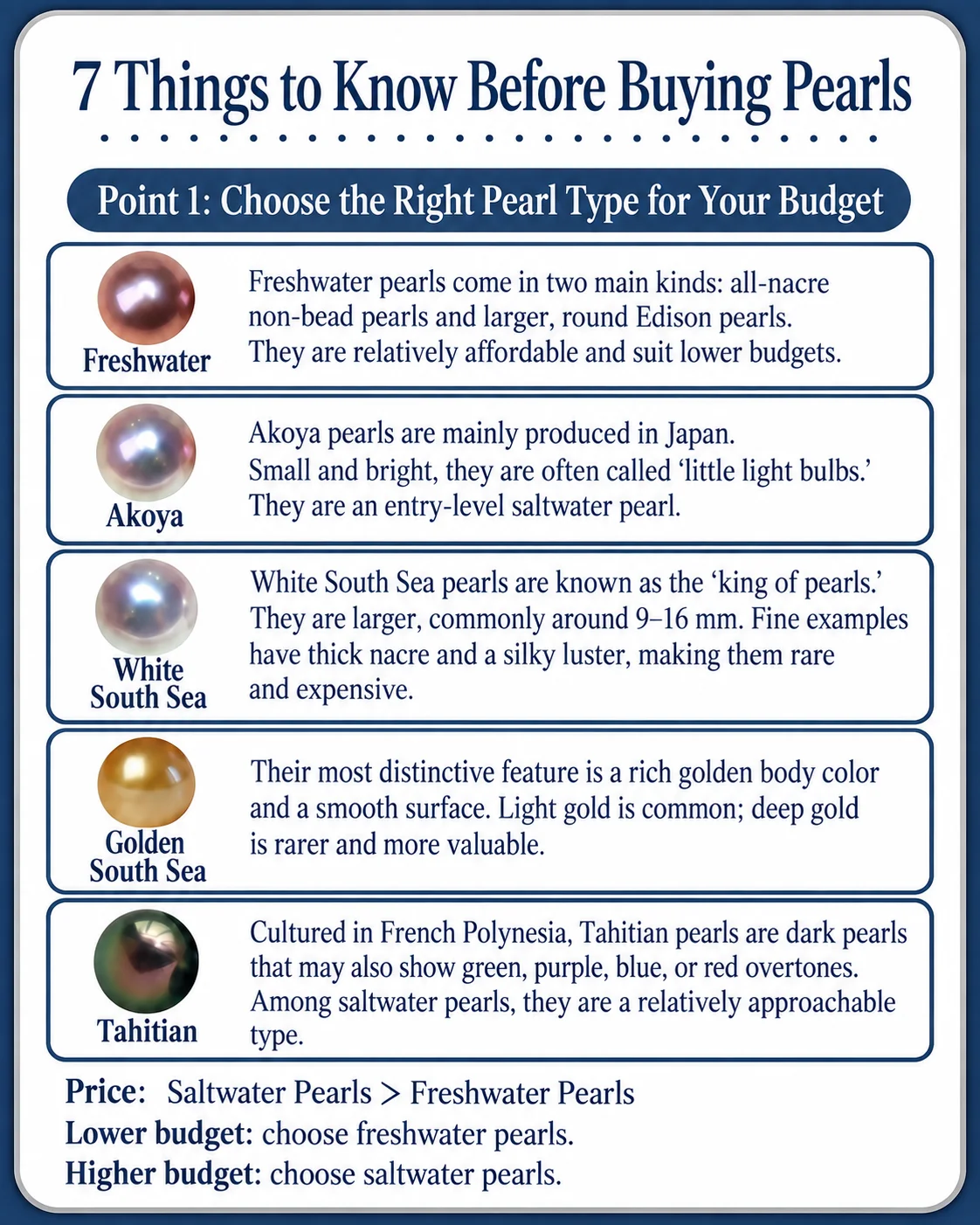
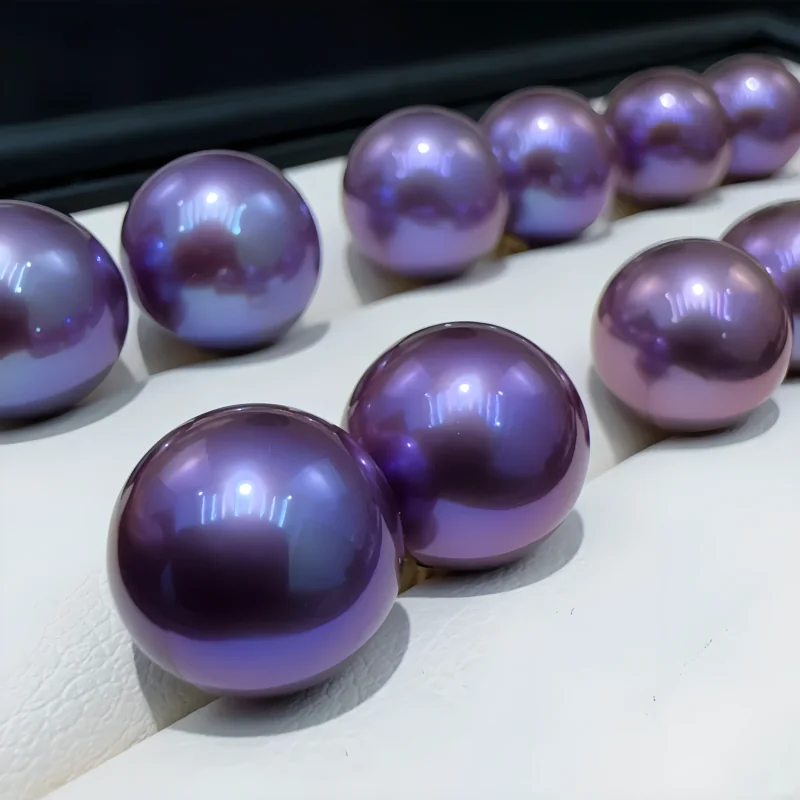
Pearl size is easy to read on a product page but harder to imagine on the body. A difference of only 1–2 mm can noticeably change how a pearl looks on the ear, around the neck, or as a pendant. This guide combines measurement, everyday-wear ranges, jewelry type, personal style, and pearl type so you can choose size without relying on age stereotypes.
How pearl size is measured
Pearl size is normally given in millimeters. For a round pearl, the number refers to diameter. Cultured pearls are natural products, so strands are often sold in ranges such as 6–7 mm or 8–9 mm. Oval, drop, keshi, and baroque pearls may be described with two dimensions, such as 9 × 12 mm.
One millimeter sounds small, but the visual change is meaningful because diameter increases in every direction. In a strand, that difference repeats across dozens of pearls.
Quick pearl size guide
| Size | General visual effect | Common everyday use |
|---|---|---|
| 4–6 mm | Delicate, light, understated | Small studs, fine strands, layering |
| 6–7 mm | Subtle but clearly visible | Everyday earrings and restrained necklaces |
| 7–8 mm | Classic middle ground | Versatile studs and strands |
| 8–9 mm | More presence | Polished daily wear, gifts, classic statement |
| 9–10 mm | Noticeably bold | Larger studs, stronger strands, pendants |
| 10 mm+ | Statement scale | Large freshwater, Tahitian, South Sea, focal designs |
These ranges describe visual effect, not quality. A 6 mm pearl can be much finer than a 10 mm pearl.
Pearl stud earring sizes
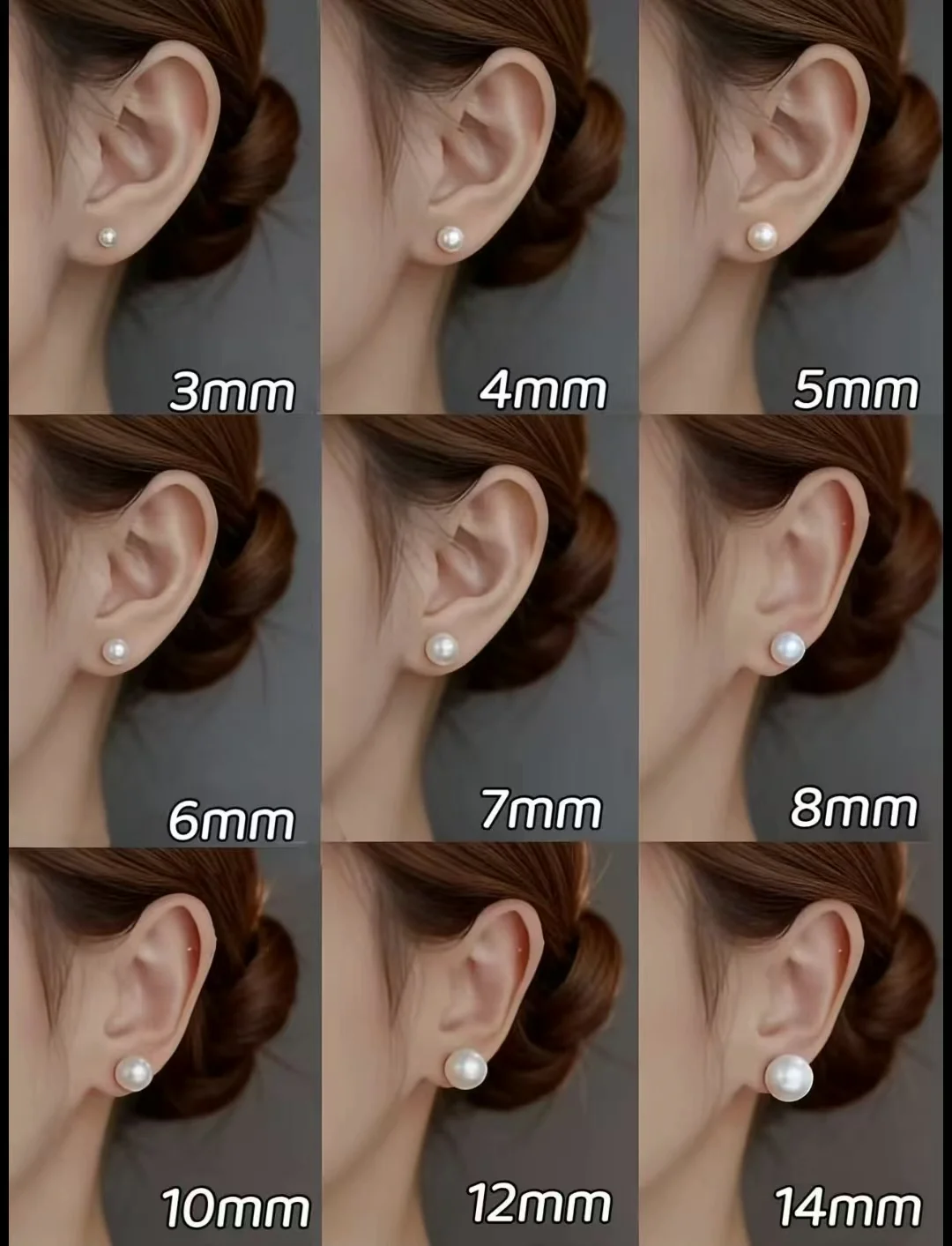
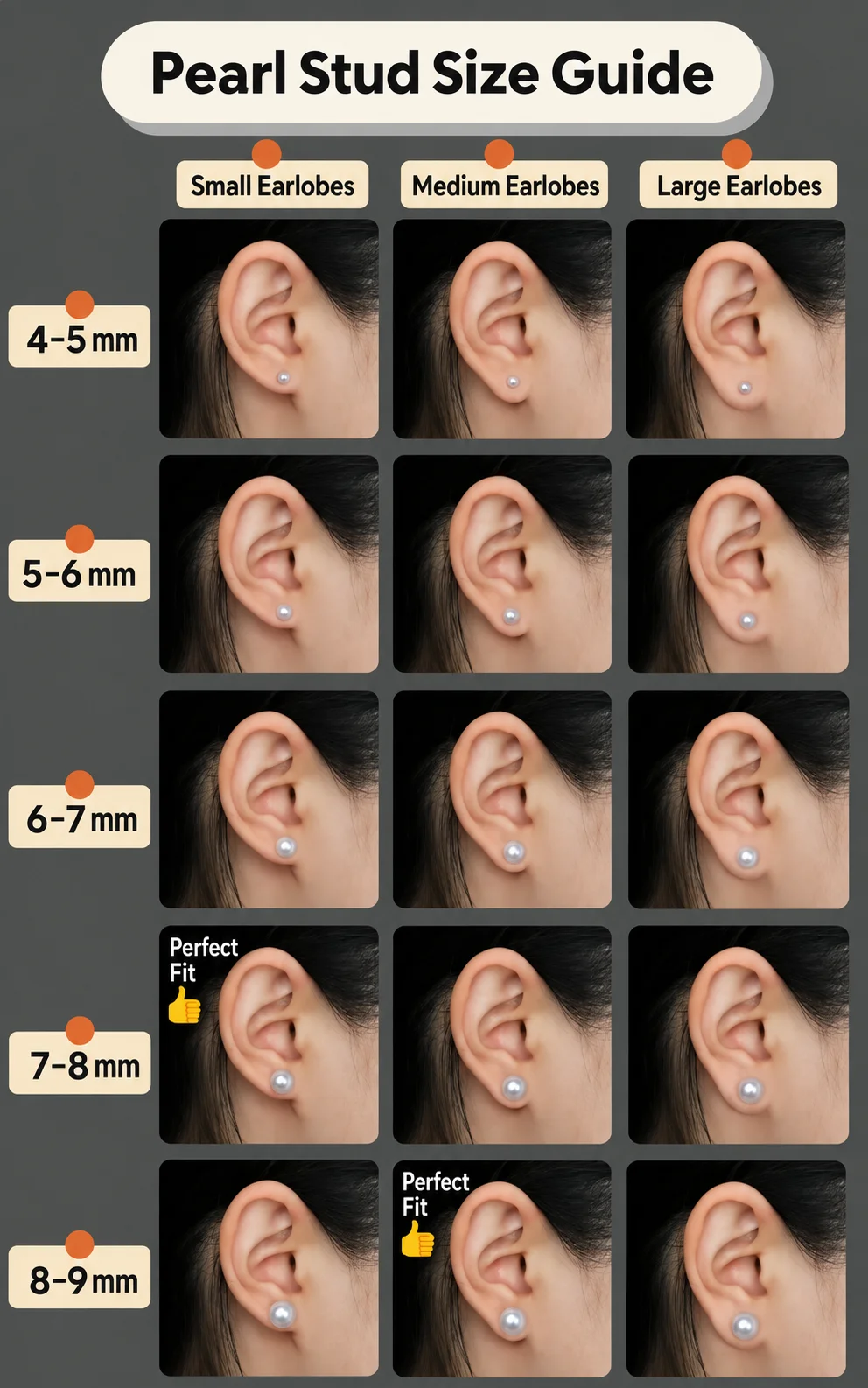
For everyday studs, 6–8 mm is a broadly versatile range. Smaller pearls feel lighter and more discreet; 8–9 mm adds more presence; 9–10 mm and above becomes intentionally noticeable.
5–6 mm
Delicate and understated. Useful for minimalist looks, secondary piercings, and buyers who want the pearl to remain a small accent.
6–7 mm
Subtle but clearly visible. A comfortable everyday size when you want pearls to read as pearls without dominating the face.
7–8 mm
The classic middle ground. This range works across casual and formal settings and is often a safe gift size when you do not know the recipient's exact preference.
8–9 mm
More polished and noticeable. Still practical for many people as daily studs, but the pearl becomes a stronger visual feature.
9–10 mm and above
A deliberate statement. Whether it feels “too large” depends on earlobe size, piercing position, hairstyle, setting, and personal style—not age.
Pearl strand and necklace sizes
On a full strand, diameter has a stronger effect because the size repeats around the neck.
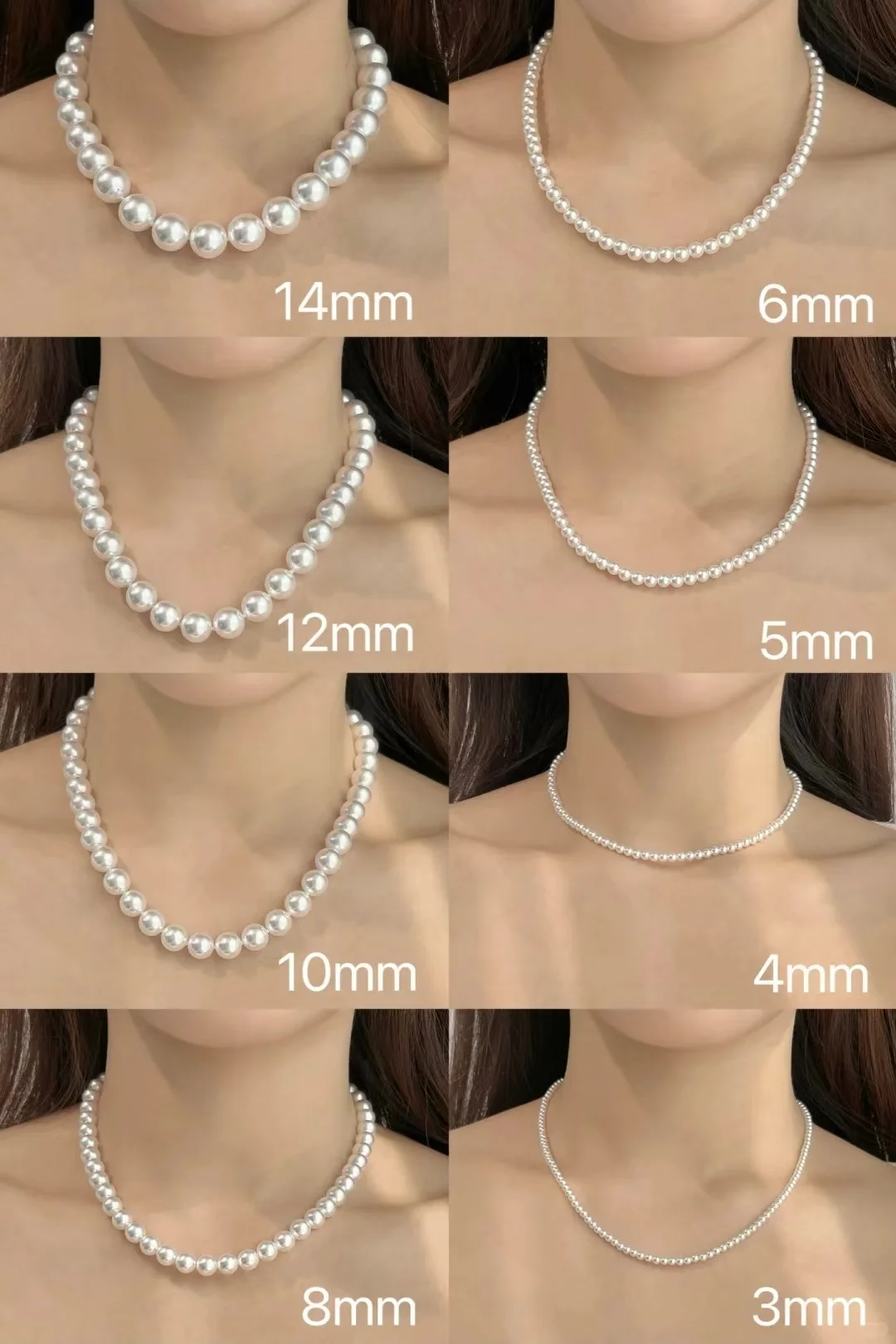
- 5–6 mm: fine and easy to layer.
- 6–7 mm: refined and restrained.
- 7–8 mm: classic everyday balance.
- 8–9 mm: stronger and more polished.
- 9–10 mm+: the necklace increasingly becomes the focal point.
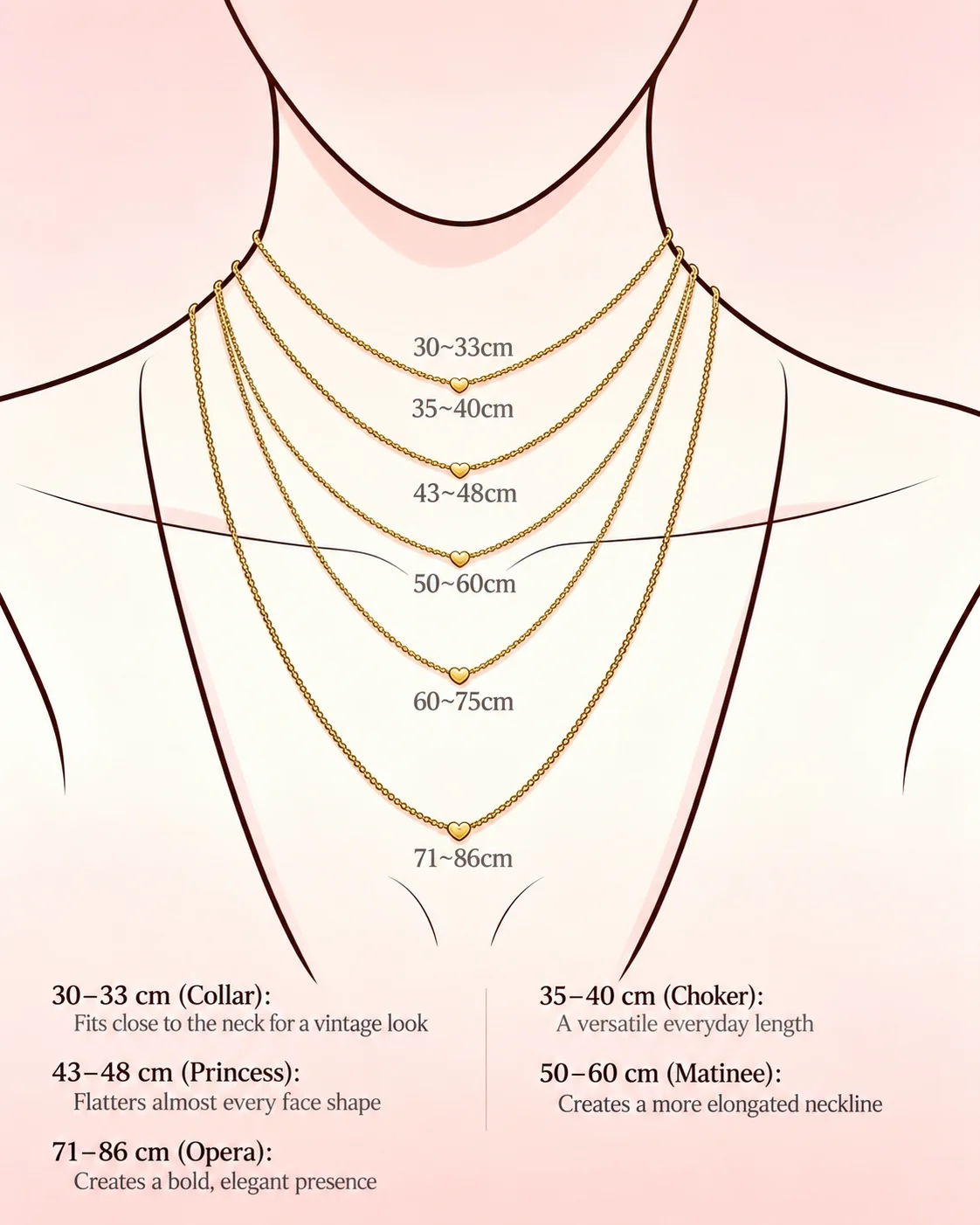
Do not confuse pearl diameter with necklace length. A 7–8 mm strand can be made as a choker, princess, matinee, or longer necklace; these describe two different dimensions.
Pearl pendant sizes
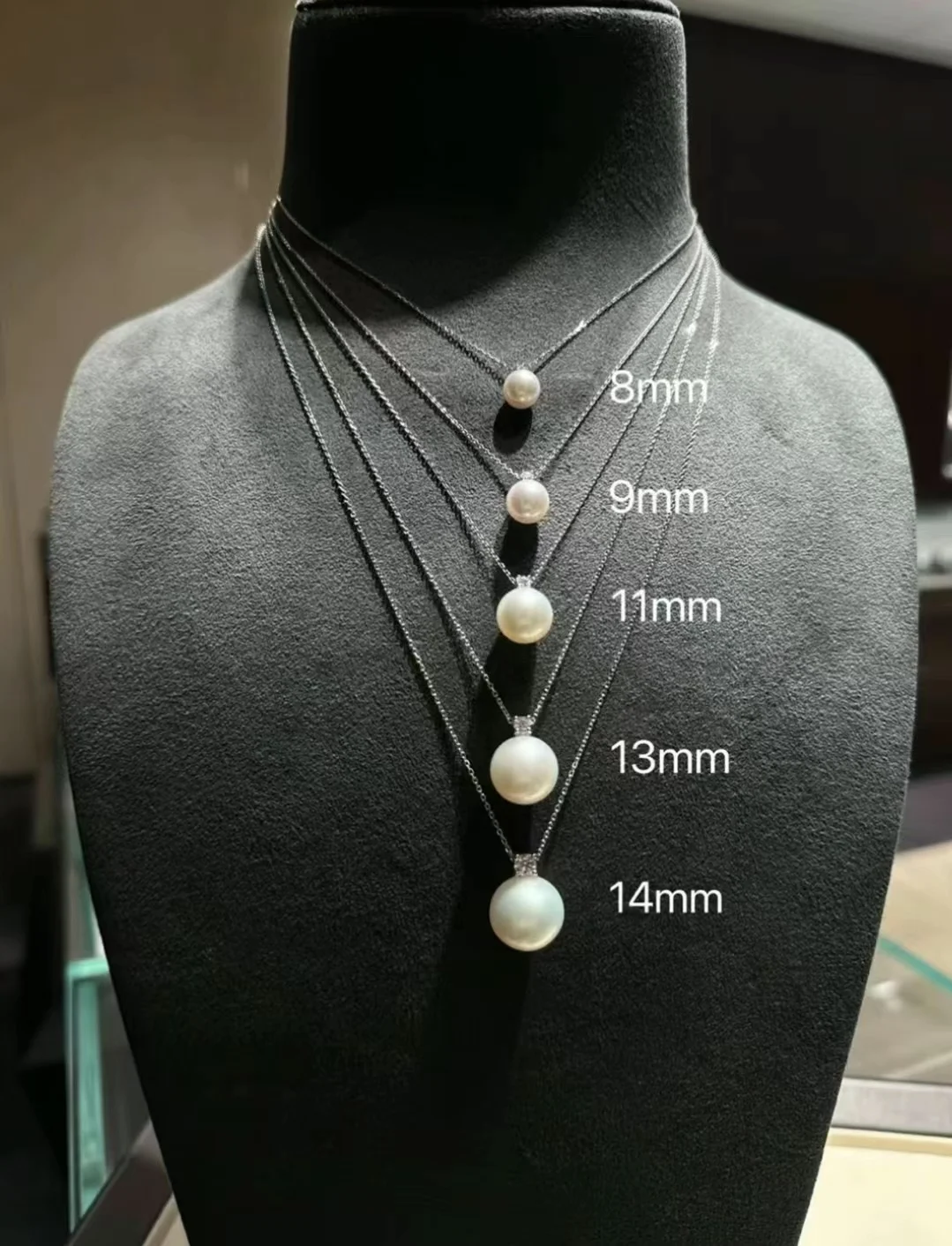
A pendant uses only one or a few focal pearls, so you can choose a larger diameter without creating the visual weight of an entire large-pearl strand.
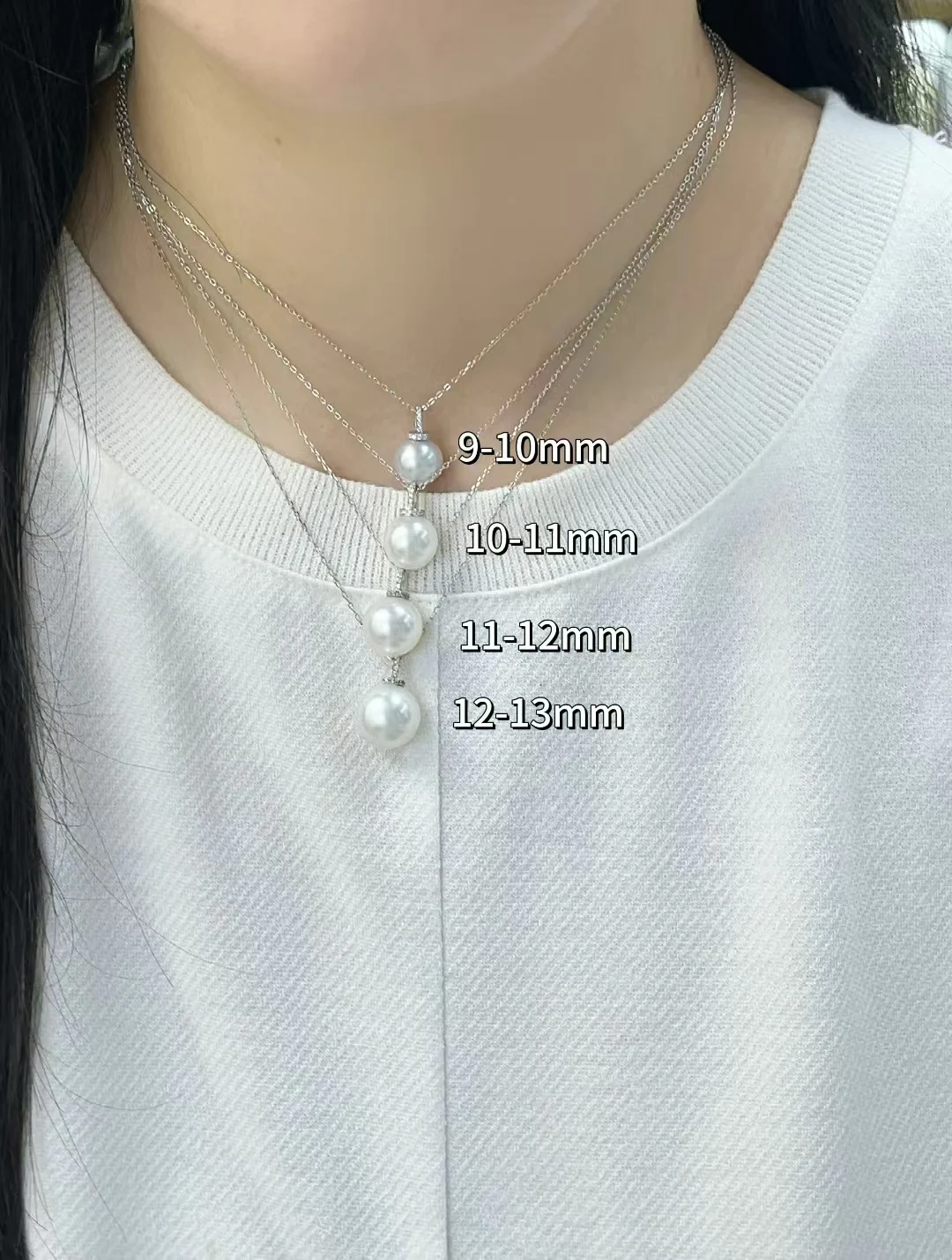
- 6–7 mm: minimal accent.
- 7–9 mm: versatile everyday scale.
- 9–11 mm: clearly visible without becoming oversized.
- 11 mm+: the pearl becomes a major design element and the chain/setting should be considered with it.
Bracelets and rings
Bracelets repeat pearl size around the wrist, so larger diameters can feel heavier and more prominent than expected. Rings usually use one focal pearl, but hand movement and setting height can make the pearl appear larger. Because hands and wrists contact surfaces frequently, wearability and protection matter alongside diameter.
Should you choose pearl size according to age?
No fixed age rule is useful. Statements such as “young women should wear small pearls” or “older women should wear large pearls” are style conventions, not quality principles.
Choose based on the look you want:
- Delicate/minimal: smaller sizes and lighter settings.
- Classic: medium sizes with balanced proportions.
- Stronger presence: 8–10 mm depending on pearl type and jewelry.
- Statement: large freshwater, Tahitian, or South Sea pearls, or bold baroque forms.
Which sizes suit different occasions?
For work and frequent daily wear, moderate sizes are usually easiest because they combine visibility with comfort. For formal events, larger pearls may create more presence, but high luster and good matching often matter more than raw diameter. For layering, smaller strands tend to combine more easily with chains or other necklaces.
There is no reason a 10 mm pearl cannot be worn every day if the wearer enjoys the scale and the setting is practical.
Does body size or face shape determine pearl size?
They can influence perception, but they do not create rules. A larger pearl may look more proportionate on one wearer while another prefers the same size precisely because it creates contrast. Earrings are also affected by earlobe size and piercing placement. Use body proportions as a visual reference, not a restriction.
Pearl type changes what counts as “small” or “large”
A 9 mm Akoya pearl sits near the larger end of a category where smaller sizes are common. A 9 mm South Sea pearl is relatively modest because South Sea pearls commonly occur in larger sizes. Tahitian pearls also tend to start larger than classic Akoya sizes. Freshwater pearls cover a very broad range.
This matters when comparing price. “10 mm” does not carry the same rarity premium in every pearl type.
Does a larger pearl mean a better pearl?
No. Size is only one value factor. Do not sacrifice strong luster, sound nacre, or overall appearance just to move up one millimeter. When budget is fixed, a slightly smaller pearl with better visible quality is often the better-looking choice.
How to choose pearl size when buying a gift
If you know what jewelry the recipient already wears, measure or compare that first. If you do not know their preference, avoid extremes. For studs, 7–8 mm is a broadly versatile middle ground. For pendants, 7–9 mm is easy to wear. For classic strands, 6–8 mm covers many everyday preferences.
These are safe starting ranges, not rules.
A simple five-step way to choose
- Decide the jewelry type.
- Decide whether you want delicate, classic, bold, or statement scale.
- Compare real on-body images rather than isolated product photos.
- Check what sizes are typical for the pearl type you are considering.
- Do not trade away luster and sound condition simply to buy a larger number.
FAQ
What is the most versatile pearl size?
For many earrings and classic jewelry styles, 7–8 mm is a versatile middle ground. The best size still depends on pearl type and design.
Are 6 mm pearls too small for adults?
No. They create a delicate look and can work very well for minimalist earrings, fine strands, and layering.
Are 8 mm pearls considered large?
They are medium-to-noticeable in many everyday freshwater or Akoya designs. In Tahitian or South Sea categories, 8 mm may be relatively small.
Is 9 mm too large for everyday pearl earrings?
Not inherently. It is a more noticeable size, but many people wear 9 mm studs regularly. Earlobe size, setting, comfort, and personal style matter.
Can I wear 10 mm pearls every day?
Yes, if you enjoy the look and the jewelry is practical. “Everyday” is a wearability question, not an age category.