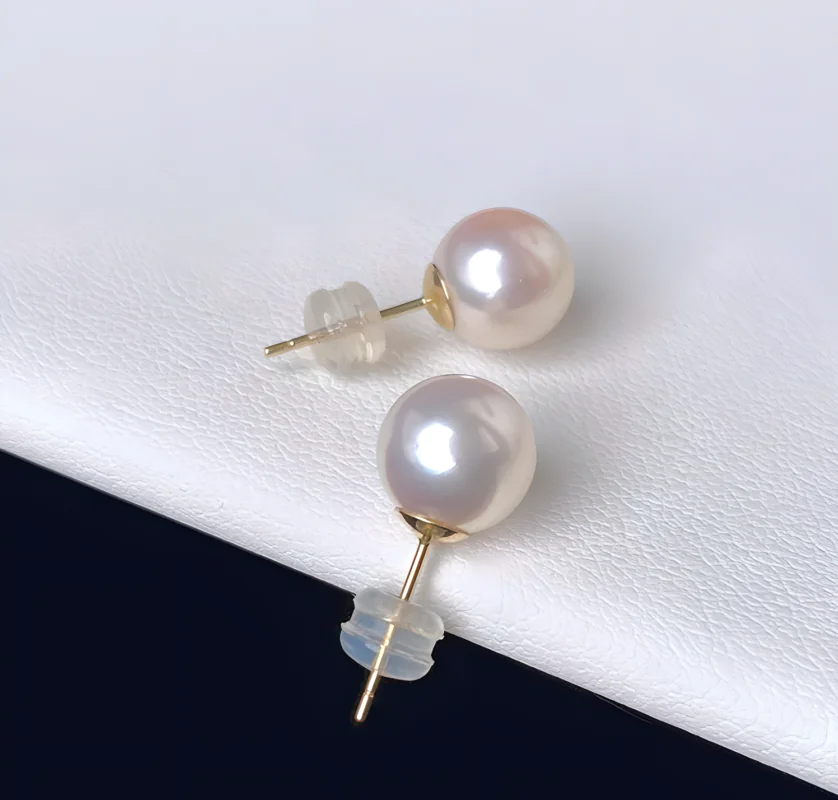
What Are Pearl Filling and Repair? What Type of Treatment Are They?
Pearl filling is the deliberate introduction of another substance into a cavity, void, crack, or other open space in a pearl. In gemological terminology, filling is a treatment because it changes the pearl's composition, appearance, durability, or sometimes its weight. “Pearl repair,” however, is not one single standardized treatment category: the correct classification depends on what was actually done to the pearl.
Quick Answer: Is Filling or Repair Considered a Pearl Treatment?
Filling: yes. The CIBJO Pearl Book defines filling as introducing a substance that occupies all or part of a void, and it lists filling as a treatment for natural and cultured pearls. GIA also includes filling among the pearl treatments it examines.
Repair: sometimes. If “repair” means adding resin, adhesive, wax, shell, or another foreign material to fill a cavity or stabilize damage, the pearl has been treated. If it means only restringing a necklace, replacing a clasp, or resetting an undamaged pearl in jewelry, the pearl itself has not necessarily been treated.
| What Was Done? | Likely Gemological Description | Treatment? |
|---|---|---|
| Foreign material inserted into a cavity or void | Filling | Yes |
| Resin or oil used to disguise a fracture | Fracture filling / oil-resin treatment | Yes |
| A coating applied over repaired or altered areas | Coating | Yes |
| Grinding or polishing to remove a blemish or reshape the pearl | Working; classification depends on degree | Light working may be a normal procedure; heavy working requires disclosure |
| Loose outer nacre removed to expose better nacre below | Peeling | Separate processing category under CIBJO terminology |
| Necklace restrung or clasp replaced without altering pearls | Jewelry repair | No pearl treatment by itself |
What Is Pearl Filling?
A pearl is not always completely solid. Some natural or cultured pearls can contain internal voids, cavities, organic-rich spaces, drill holes, fractures, or hollow areas. Filling means putting another material into one of those spaces.
The treatment can be shallow and localized, or it can occupy a substantial internal cavity. The purpose also varies. A filler may be used to stabilize a fragile pearl, make a hollow pearl usable in jewelry, disguise an unattractive opening, improve the apparent surface, or change the pearl's heft. In unusual cases, the added material can contribute significantly to the measured weight.
GIA has documented filled pearls containing materials such as epoxy, calcium-carbonate-rich material, metal pieces, resins, waxes, shell, and other pearl material. These examples are useful because they show that “filled pearl” does not describe one specific filler formula. It describes the act of occupying a void with foreign or added material.
Is Pearl Filling the Same as Fracture Filling?
Not exactly. Filling is the broader term. CIBJO defines it as introducing a substance into all or part of a void. A void can be an internal cavity and can even include a drill hole.
Fracture filling is more specific: it refers to filling a crack or fracture, usually to make the fracture less visible. In practice, a repaired pearl may involve both concepts. For example, resin could occupy a surface-reaching crack while another material fills a larger hollow area.
This distinction matters because sellers sometimes use vague words such as “repaired,” “stabilized,” or “restored.” Those words describe an intention, not necessarily the gemological process. When evaluating a pearl, the more useful question is: What material was added, removed, coated, polished, or plugged?
What Does “Pearl Repair” Actually Mean?
Unlike “filling,” the word repair is broad everyday language. It can refer to work performed on the pearl itself or simply to maintenance of the jewelry that holds it. That is why “repaired pearl” is not precise enough to tell a buyer whether a treatment has occurred.
1. Cavity filling or crack repair
If resin, adhesive, wax, shell, pearl fragments, or another material is inserted to close or stabilize an opening, the relevant description may be filling, fracture filling, plugging, or a combination of these. If the repair changes the pearl itself, it should not be treated as ordinary jewelry maintenance.
2. Grinding, polishing, or reshaping
A pearl may be worked to remove a blemish, disguise an attachment area, or alter its shape. CIBJO distinguishes light working from heavy working. Light working and ordinary polishing can fall within normal pearl-processing procedures, while heavily worked pearls require specific disclosure. This is one reason the amount of material removed matters.
For a broader view of what happens between harvest and finished jewelry, see the pearl processing workflow.
3. Peeling
Peeling is not simply another word for repair. Under CIBJO terminology, peeling means removing loosely adhering outer nacre to expose a cleaner nacre layer below. It is specifically distinguished from working.
4. Surface coating after repair
A repaired area may sometimes be coated to make the surface more uniform or to conceal evidence of working. In that case, coating is a separate treatment and should not be collapsed into the vague word “repair.” You can read more about how this differs from filling in our guide to pearl coating techniques.
5. Jewelry repair that does not alter the pearl
Restringing a pearl necklace, replacing knots, repairing a clasp, or resetting a pearl can all be called pearl-jewelry repair. These actions do not automatically constitute treatment of the pearl material. If the pearl itself is left unchanged, it is better to describe the work as jewelry repair rather than pearl treatment.
Why Are Some Pearls Filled?
Filling is especially relevant to pearls that are naturally hollow, partly hollow, fragile, or formed as blister pearls. A hollow pearl may be attractive but mechanically unsuitable for setting without stabilization. Filling can make such a pearl more durable or easier to mount.
GIA reported a 169.05 ct natural blister pearl whose large internal cavity had been filled with foreign materials. The laboratory concluded that the filling helped make the pearl suitable for jewelry use; without filling, the hollow structure would have limited its usability. GIA has also documented a bead-cultured freshwater pearl with shallow filled surface areas that were visibly different from the surrounding nacre under magnification and advanced testing.
These examples show an important point: filling is not limited to low-quality imitation products. Genuine natural or cultured pearls can be filled. The treatment changes the condition of the pearl, not necessarily its biological origin.
Does Filling Make a Pearl Fake?
No. A filled pearl can still be a genuine natural pearl or a genuine cultured pearl. “Natural,” “cultured,” “treated,” and “imitation” answer different questions.
- Natural pearl describes how the pearl formed without deliberate human initiation.
- Cultured pearl describes a genuine pearl whose formation was intentionally initiated by people.
- Treated pearl describes a pearl that was altered after formation by a treatment such as filling, dyeing, coating, or irradiation.
- Imitation pearl is a manufactured product made to resemble a pearl rather than a genuine pearl formation.
A pearl can therefore be both natural and filled, or both cultured and filled. The treatment should be disclosed, but it does not by itself convert the pearl into an imitation. For more on these distinctions, see our pearl identification guide.
How Can Filling Affect Appearance, Durability, Weight, and Value?
There is no single percentage by which filling changes a pearl's value. Its significance depends on the pearl type, rarity, amount of filler, reason for treatment, visibility of the repair, structural condition, and how clearly the treatment was disclosed.
Appearance
Some fillings are intended to make cavities, cracks, or damaged areas less obvious. Under magnification, however, a filled zone may show a different texture, luster, boundary, adhesive residue, or surface structure from natural nacre.
Durability
Filling can stabilize a fragile hollow pearl, but the filler itself may age differently from nacre. CIBJO classifies filling with the special-care code and notes that the treatment is not necessarily permanent. A stable-looking repair today should therefore not be assumed to remain unchanged indefinitely.
Weight
When a large internal cavity is filled, part of the measured weight may come from the filler rather than pearl material. This is particularly important for unusually large natural pearls, where weight is often part of commercial valuation. A laboratory report may note when foreign material significantly affects the weight.
Value
Treatment is one factor among many. A rare natural pearl with a documented historic repair may still be valuable, while undisclosed filling can create a serious transparency problem. The useful approach is not “treated equals worthless,” but rather to understand what was altered and incorporate that information into evaluation. Our guide to evaluating pearl value explains the broader quality factors that should be considered alongside treatment.
Can You Detect Pearl Filling by Looking at It?
Sometimes, but not reliably in every case. A visible plug, unusual indentation, coarse patch, lower-luster area, adhesive residue, bubbles, or abrupt surface boundary can raise suspicion. These clues are useful for inspection, but they are not a substitute for laboratory testing.
Internal filling may be impossible to assess confidently from the outside. Gemological laboratories can use magnification, X-radiography or X-ray computed imaging, Raman spectroscopy, FTIR spectroscopy, fluorescence imaging, and other techniques depending on the case. GIA's treatment-testing information specifically lists filling and impregnation among the treatments examined in pearls.
For a common commercial pearl, a full laboratory workup may not be economically necessary. For a large natural pearl, unusual blister pearl, important antique piece, or pearl whose price depends heavily on rarity and weight, independent testing can be much more important.
What Should a Buyer Ask About a Repaired or Filled Pearl?
Instead of asking only “Has this pearl been repaired?”, ask for the specific intervention. A useful checklist is:
- Is the pearl natural, cultured, or imitation?
- Has any cavity or void been filled?
- Was resin, wax, adhesive, shell, metal, or another material added?
- Has a drill hole or opening been plugged?
- Was the pearl ground, polished, peeled, or heavily worked?
- Was a coating applied over the surface or repaired area?
- Does the filler materially affect the pearl's weight?
- Is the treatment documented on a laboratory report?
- Does the pearl require special care?
This approach turns a vague word such as “repair” into facts that can actually be evaluated.
How Should Filled or Repaired Pearls Be Cared For?
All pearls benefit from gentle handling, but filled pearls deserve extra caution because the filler, adhesive, plug, or coating may respond differently from nacre. Avoid acids, solvents, high heat, rough abrasion, and ultrasonic cleaning. Do not assume a repair is permanent simply because it looks stable.
For routine wear, apply cosmetics and perfume before putting on pearls, wipe pearls gently after use, and store them away from harder jewelry that can scratch the surface. See our complete guide on how to care for pearls for everyday storage and cleaning guidance.
FAQ
Is a filled pearl still a real pearl?
Yes. A natural or cultured pearl can be genuine and also treated by filling. The biological origin and the later treatment are separate parts of its description.
Is pearl filling considered a permanent treatment?
Not necessarily. CIBJO's treatment table identifies filling as a treatment requiring special care and states that it is not considered permanent regardless of special-care requirements.
Is every repaired pearl a treated pearl?
No. If repair only means restringing, replacing a clasp, or resetting the pearl without altering it, the pearl itself has not necessarily been treated. If material is added to the pearl, a cavity is filled, the surface is coated, or the pearl is heavily worked, treatment or specific disclosure may apply.
Can a jeweler tell whether a pearl is filled?
A jeweler or gemologist may notice suspicious surface features, plugs, or adhesive, but internal filling can require laboratory methods such as X-ray imaging and spectroscopy for confident identification.
Does filling always reduce a pearl's value?
Not by a fixed amount. The effect depends on the pearl's rarity, type, extent of filling, structural condition, appearance, filler contribution to weight, and whether the treatment has been properly disclosed.
What to Remember
Pearl filling is a recognized treatment; “pearl repair” is an umbrella description, not a precise gemological category. To classify a repaired pearl correctly, identify what was actually done. Filling a cavity, disguising a fracture with resin, coating a repaired area, heavy working, and simple jewelry maintenance are not the same thing.
For buyers, the most important issues are accurate description, disclosure, durability, and whether added material affects appearance or weight. For valuable or unusual pearls, a laboratory report can separate biological origin from later human modification and provide a much clearer basis for evaluation.
Technical References
- CIBJO Pearl Book 2024 — definitions of filling, fracture filling, working, treated pearls, disclosure requirements, and treatment trade codes.
- GIA: What treatments does GIA test for? — lists bleaching, heating, dyeing, irradiation, coating, peeling, filling, and impregnation for pearls.
- GIA Gems & Gemology: Filled Pearl with Surface Features — case study of a filled bead-cultured freshwater pearl.
- GIA Gems & Gemology: A Partially Hollow Natural Blister Pearl Filled with Foreign Materials — case study showing filling used in a large hollow natural blister pearl.