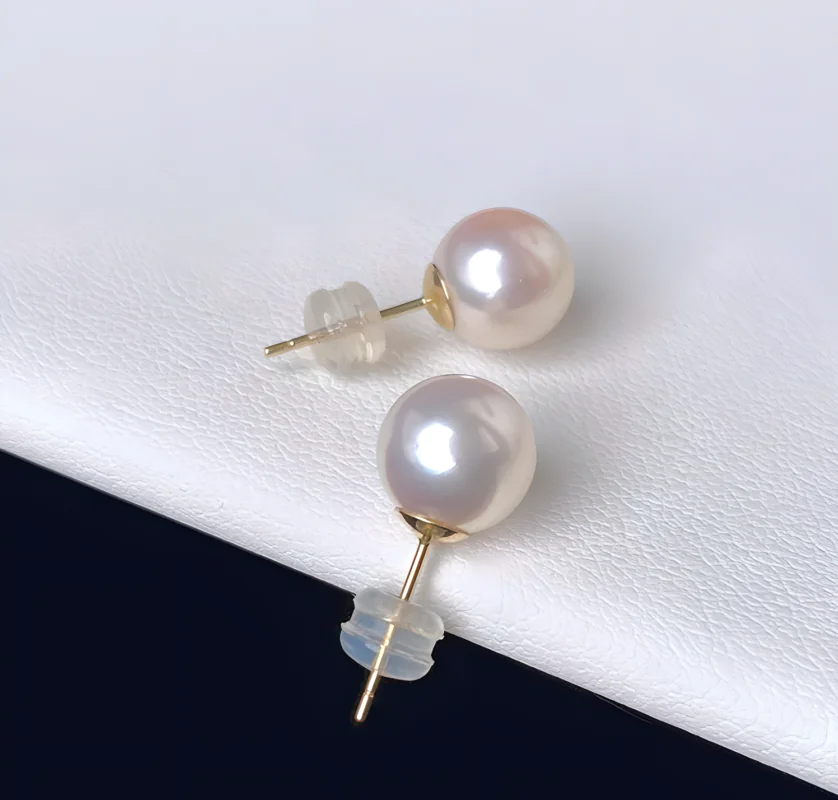
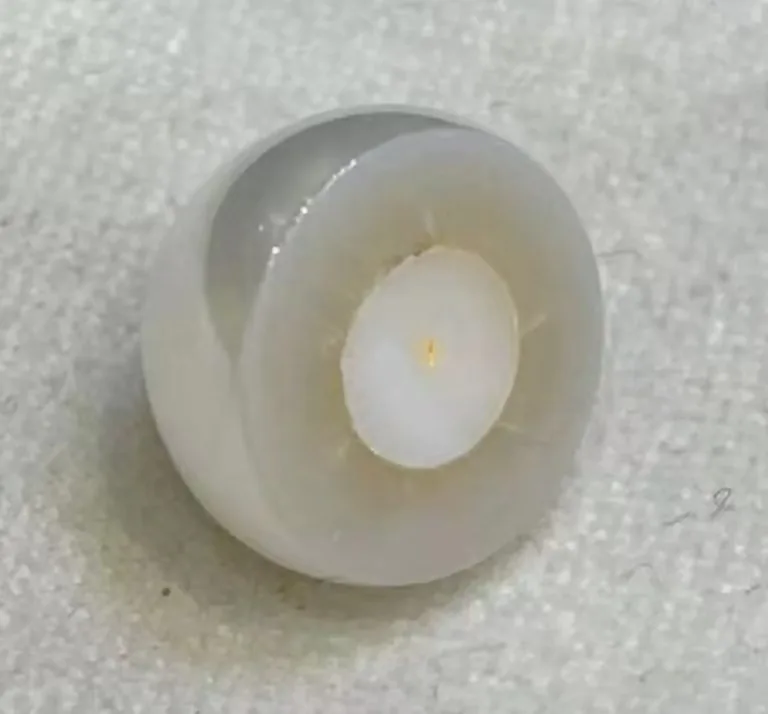
Yes, pearls can become worn or damaged over time, but they do not have a fixed “expiration date.” A well-cared-for pearl can remain beautiful for decades. What matters more than calendar age is what has happened to its surface: friction, chemicals, heat, dryness, impact, poor storage, and the original condition of the nacre all affect how a pearl ages.
There is also an important distinction between a pearl looking older and a pearl being structurally damaged. A strand may look dull because it has accumulated cosmetics or skin residue, while another pearl may have permanently abraded nacre, a chipped drill hole, or a crack. Those problems should not be treated as the same thing.
This guide explains what “wearing out” really means for pearls, how to tell temporary dullness from permanent damage, and which parts of pearl jewelry usually need attention first.
Pearls Do Not Have a Fixed Lifespan
You may see claims that pearls last a specific number of years, but there is no useful universal lifespan for pearl jewelry. Two necklaces of the same age can be in completely different condition because one was stored carefully and worn gently while the other was exposed repeatedly to perfume, perspiration, hard jewelry, heat, or rough handling.
The Gemological Institute of America (GIA) notes that pearls are relatively soft, at about 2.5 on the Mohs hardness scale, and can be scratched or abraded. GIA also warns that heat, dehydration, acids, cosmetics, perfume, hairspray, and other chemicals can damage pearls. At the same time, it notes that with reasonable care pearl jewelry can remain a lasting treasure. See the GIA Pearl Care and Cleaning Guide.
So the better question is not “How many years will a pearl last?” but:
- How much physical contact has the pearl experienced?
- Has the surface been exposed repeatedly to chemicals or sweat?
- Was it stored in a hot, very dry, or abrasive environment?
- Is the nacre strong and continuous, or thin and already compromised?
- What type of jewelry is it mounted in?
These factors tell you much more about long-term condition than age alone.
What Does “Wear” Look Like on a Pearl?
Pearl wear is usually gradual. Instead of suddenly failing one day, the surface may accumulate small changes that become noticeable only after months or years.
1. Fine scratches and abrasion
Pearls are softer than many gemstones, metal edges, and common objects. Repeated rubbing can create fine scratches or a broader scuffed area. Under moving light, an abraded patch may look hazier or less reflective than the nacre around it.
A single light scratch may have little practical effect. Broad abrasion across the most visible part of a high-luster pearl can matter much more because it changes how the surface reflects light. If you want to inspect this more closely, see our guide to scratches, abrasion, and wear damage on pearls.
2. Gradual loss of luster
A pearl may begin to look softer, flatter, or less crisp in reflection. Sometimes the cause is simply a film of cosmetics, oils, or other residue. In other cases, repeated abrasion or chemical exposure has actually roughened or altered the nacre surface.
This distinction matters because residue can often be removed safely, while lost or etched nacre cannot simply be “cleaned back” into existence.
3. Chips around drill holes or exposed edges
Drill holes and mounting points concentrate stress. Repeated movement, impact, poor drilling, or pressure from a setting can produce small chips or enlarge existing weaknesses. This is especially worth checking on frequently worn necklaces, bracelets, earrings, and mounted pearls.
4. Cracks, peeling, or missing nacre
These are more serious than ordinary surface haze. A crack may remain stable, but it can also indicate a weak area that deserves careful handling. Peeling or missing nacre means the pearl has lost part of its surface material. Once a pearl has been harvested, lost nacre does not naturally grow back.
Because growth lines and natural surface features can sometimes be mistaken for damage, do not diagnose every ridge or line as a crack. Our detailed guide to pearl cracks and nacre peeling explains the difference and when damage deserves more caution.
What Usually Causes Pearls to Deteriorate?
Normal aging is only part of the story. Most visible deterioration is better explained by a combination of mechanical, chemical, and environmental exposure.
Friction and contact with harder materials
A pearl necklace stored beside diamond jewelry, a bracelet rubbing against a watch, or a pearl ring repeatedly contacting desks and door handles can accumulate abrasion much faster than a pair of earrings worn occasionally. The more often the same area is rubbed, the more likely the surface is to lose its original finish.
Perfume, cosmetics, perspiration, and household chemicals
Pearl nacre contains calcium carbonate and is chemically sensitive. Acids and harsh chemicals can attack the surface rather than merely leaving dirt on top of it. Repeated exposure may dull or etch the nacre, which is why “last on, first off” remains one of the simplest useful pearl-care rules: apply skincare, cosmetics, hairspray, and fragrance first, then put on the pearls.
For the chemistry behind this, see why pearls are sensitive to acid, perfume, and chemicals.
Heat and prolonged dryness
GIA notes that high heat can discolor, split, or crack cultured pearls and that intense heat can contribute to dehydration and cracked nacre. Pearls therefore should not be stored for long periods in unusually hot, dry places or exposed to high-temperature cleaning methods.
Impact and pressure
Pearls are not only vulnerable to scratching. A hard impact can chip or fracture the surface, and pressure around a drill hole or setting can worsen an existing weak point. This is one reason pearl rings and bracelets generally face more mechanical risk than earrings or pendants.
Does Nacre Quality Affect How Well a Pearl Ages?
Yes. Nacre quality is one of the most important factors in long-term durability, but it should not be reduced to thickness alone.
GIA evaluates nacre because poor nacre condition can affect both appearance and durability. Thin nacre on a bead-cultured pearl may allow the underlying nucleus to influence the appearance and can leave less margin for wear. Continuity and condition also matter: even a pearl with substantial nacre can have weak, disrupted, cracked, or damaged areas.
This is particularly useful when comparing older pearls. A heavily worn pearl with good original nacre may still be in serviceable condition, while a relatively new pearl with thin or compromised nacre may show problems much sooner. For a practical inspection method, see how to evaluate nacre quality and pearl durability.
The same principle applies across pearl types, but the structure is not identical. Bead-cultured Akoya, Tahitian, and South Sea pearls have nacre deposited around a nucleus. Many traditional non-bead-nucleated freshwater cultured pearls are largely nacre throughout. That does not make freshwater pearls immune to scratches, chemical dulling, chips, or cracking; it simply means “wearing through to a bead” is not the same concern.
Can You Tell Whether a Dull Pearl Is Dirty or Permanently Worn?
Often you can make a useful first judgment at home, although appearance alone cannot prove the exact cause.
Start with the least aggressive explanation. If the pearl has visible residue, gently wipe it with a very soft, clean cloth. If a more thorough cleaning is needed, follow conservative pearl-cleaning guidance rather than using abrasives, ultrasonic cleaners, steam, or polishing compounds. Our pearl care and maintenance guide covers a safe routine.
Then inspect the pearl under broad, neutral light and rotate it slowly:
- If the haze largely disappears after gentle cleaning, surface residue was probably contributing to the dullness.
- If one area remains hazy or scuffed and interrupts the reflection, abrasion becomes more plausible.
- If the surface looks rough, etched, chipped, cracked, or missing material, the change is more likely to be permanent damage.
- If the problem appears around drill holes or mounting points, mechanical wear or stress deserves closer inspection.
A loupe can help confirm what you see, but do not let magnification make a tiny cosmetic mark seem catastrophic. Condition should still be judged at normal viewing distance as well as up close.
Which Pearl Problems Can Be Fixed?
| Problem | Usually reversible? | What to do |
|---|---|---|
| Surface film, cosmetics, or light residue | Often | Use gentle pearl-safe cleaning; avoid abrasive rubbing. |
| Stretched, dirty, or weakened necklace thread | Yes | Have the strand professionally restrung. |
| Loose clasp, post, or setting | Usually | Repair the jewelry component before further wear. |
| Fine scratch or abrasion in nacre | Usually not by cleaning | Do not attempt DIY polishing; professional assessment may be appropriate for valuable pieces. |
| Chemical etching or permanently dulled nacre | Usually not | Prevent further exposure; cleaning cannot replace removed surface material. |
| Crack, chip, peeling, or missing nacre | No simple home repair | Reduce wear and seek professional inspection if the piece is valuable or sentimental. |
Professional pearl working and polishing methods do exist, but they should not be confused with ordinary cleaning. Improving a damaged surface can involve removing material, so whether it is appropriate depends on the pearl type, nacre condition, depth of damage, and value of the piece. Aggressive home polishing can turn a small problem into a larger one.
What Usually “Wears Out” First in Pearl Jewelry?
In many pieces, the pearl itself is not the first component that needs service.
Necklace and bracelet thread: Silk or other stringing material can stretch, discolor, fray, or weaken. GIA specifically notes that pearl necklaces may need periodic restringing because the thread can wear over time.
Clasps and findings: Moving metal components experience mechanical wear and may become loose even when the pearls remain in good condition.
Posts, glue, and settings: Pearl earrings, rings, and pendants can loosen at their mounting points. A loose pearl should be repaired before it is lost.
This is why an old pearl necklace does not automatically need new pearls. Sometimes it needs only cleaning, inspection, and restringing.
Which Types of Pearl Jewelry Show Wear Fastest?
The jewelry form often matters as much as the pearl type because it determines how much impact and friction the pearl experiences.
- Pearl rings: highest exposure to knocks, rubbing, handwashing products, and hard surfaces.
- Pearl bracelets: frequent contact with desks, watches, metal hardware, and surrounding objects.
- Pearl necklaces: less impact than rings, but more contact with skin, perspiration, cosmetics, and thread wear.
- Pearl pendants: usually relatively protected, depending on the setting and chain.
- Pearl earrings: often among the most protected forms, although hairspray, perfume, cosmetics, and loose posts still matter.
How to Slow Down Pearl Wear
You do not need to keep pearls sealed away and never wear them. The goal is simply to reduce repeated harsh exposure.
- Put pearls on after perfume, hairspray, skincare, and cosmetics.
- Take them off before showering, swimming, exercising, cleaning, or doing work that creates impact or abrasion.
- Wipe them gently after wearing to remove perspiration and residue.
- Store them separately from harder gemstones, metal edges, and rough surfaces.
- Avoid steam cleaners, ultrasonic cleaners, abrasive cloths, and polishing compounds.
- Inspect drill holes, knots, thread, clasps, posts, and settings periodically.
- Restring a strand when the thread becomes stretched, dirty, loose, or frayed rather than waiting for it to break.
These habits do more than keep pearls clean. They reduce the cumulative mechanical and chemical damage that makes a pearl look “worn out” over time.
When Should You Stop Wearing a Damaged Pearl?
Minor surface wear does not automatically make pearl jewelry unsafe to wear. A discreet scratch or a little loss of luster may be mainly cosmetic.
More caution is justified when you see:
- a crack that appears to be widening;
- active peeling or flaking;
- a chip at a drill hole or setting;
- a pearl that has become loose in its mounting;
- visible loss of nacre over a larger area;
- a badly stretched or frayed strand.
For valuable, antique, or sentimental pearl jewelry, professional inspection is usually safer than experimenting with polishing, glue, or aggressive cleaning at home.
FAQ
Do pearls wear out if you wear them every day?
They can show wear faster with daily use, especially in rings and bracelets, but daily wear does not automatically ruin pearls. The main variables are friction, impact, chemical exposure, storage, and the original quality and condition of the nacre.
Do old pearls become brittle?
They can become more vulnerable if aging is combined with dehydration, heat, prior processing, cracks, or other deterioration. Age alone does not tell you whether a pearl is brittle, so condition is more useful than the date of the jewelry.
Can worn pearl nacre be restored?
Cleaning can remove residue, but it cannot regrow nacre that has been scratched away, etched, chipped, or peeled. Professional working or polishing may improve selected pearls in some cases, but it removes material and is not a universal repair.
Can pearls lose their shine permanently?
Yes. If the dullness comes from permanent abrasion or chemical damage to the nacre, cleaning may not restore the original reflection. If the dullness is mainly residue, gentle cleaning can make a substantial difference.
How can I tell whether my pearl jewelry needs replacing?
Do not judge by age alone. Check whether the nacre is intact, whether damage is visible at normal viewing distance, whether cracks or peeling are progressing, and whether the thread, clasp, post, or setting is secure. Many older pieces need maintenance rather than replacement.
Final Takeaway
Pearls can wear and deteriorate, but they do not simply “expire” after a certain number of years. Their long-term condition is the accumulated result of nacre quality, friction, chemicals, heat, storage, impact, and jewelry maintenance.
The most useful distinction is between something sitting on the surface and the surface itself being changed. Residue can often be cleaned. Thread can be replaced. Clasps and settings can be repaired. But scratched, etched, chipped, cracked, or missing nacre cannot be restored by ordinary cleaning.
Treat pearls as wearable jewelry, not untouchable objects. Gentle handling, sensible storage, and occasional inspection are usually enough to keep a good pearl piece looking beautiful for a very long time.