
What Is an Edison Pearl? Why Edison Pearls Look Different

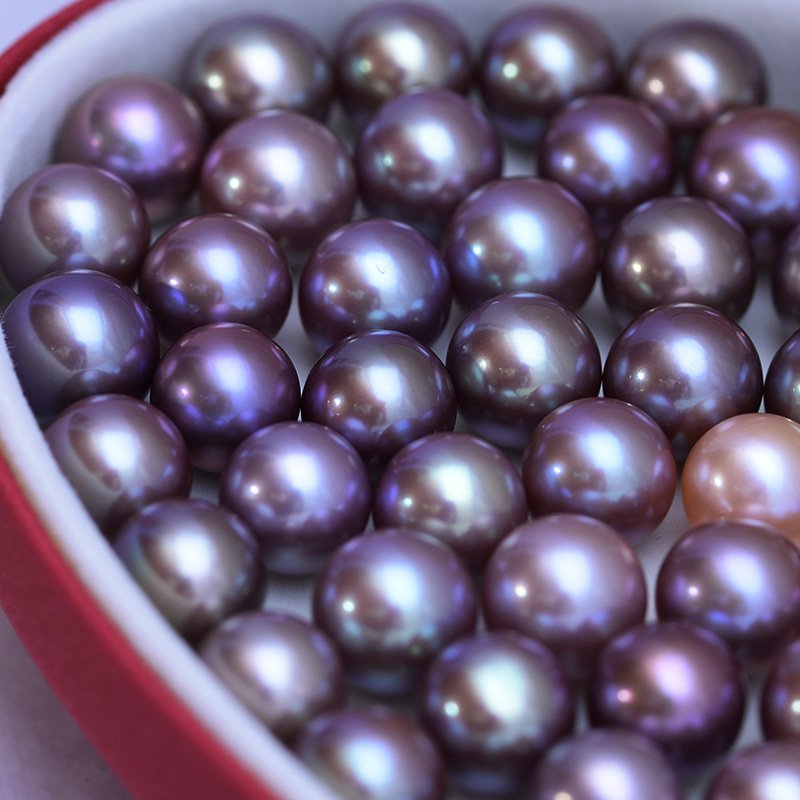
If you have ever seen an Edison pearl and thought, this does not look like the freshwater pearls I usually see, that reaction makes sense. In today’s pearl trade, “Edison” is generally used as a trade name for a recognizable group of near-round to round freshwater cultured pearls, usually shell bead cultured, rather than as a separate biological pearl species. That is the most useful place to start if you want a clear and practical definition.
In other words, an Edison pearl is a real freshwater cultured pearl, but the word “Edison” is best understood as a market term for a distinctive product segment. It tells you something about the style of pearl you are likely looking at, but it does not automatically tell you everything about that pearl’s quality, color origin, or value.
If you want a broader background first, you can start with our Pearl Academy hub, or read our lessons on nucleated freshwater pearls and freshwater non-nucleated pearls.
What Is an Edison Pearl?
An Edison pearl is best understood as a freshwater cultured pearl sold within a distinctive trade segment. In trade usage, Edison pearls are usually associated with larger sizes, rounder shapes, and a more modern, high-impact appearance than many buyers traditionally associate with freshwater pearls.
This is why the term is useful but also easy to overread. Edison pearls are part of the freshwater pearl world, not a completely separate pearl family. At the same time, they are not simply interchangeable with every other freshwater pearl on the market. The name points to a recognizable style and production logic, but you still need to judge the actual pearl in front of you.
Are Edison Pearls Real Pearls?
Yes. Edison pearls are real cultured pearls, not imitation pearls. They are produced through pearl cultivation and belong to the same broad category of genuine cultured pearls as other freshwater and saltwater pearls.
Where buyers sometimes get confused is that “real pearl” is a broad category. A pearl can be real and still vary greatly in shape, size, color, culturing method, luster, and quality level. That is exactly why Edison pearls can feel surprising at first: many people still picture older, smaller, and more irregular freshwater pearls when they hear the phrase “freshwater pearl.”
For a deeper look at identifying real pearls, see our guide to pearl identification.
Is Edison a Pearl Type or a Trade Name?
The most accurate short answer is: trade name first, pearl segment second. The word “Edison” is useful because it describes a recognizable category in the market, but it should not be treated as a complete quality verdict.
This distinction matters. One mistake is to describe Edison pearls as if they were a completely separate pearl species. The opposite mistake is to dismiss the term as meaningless marketing. In reality, it refers to a recognizable freshwater pearl segment, but it still does not replace careful evaluation of luster, surface, shape, color, and matching.
Why Edison Pearls Look Different
This is the real reason most people search the topic. Edison pearls often look different because they are commonly seen in larger sizes, rounder or near-round shapes, and stronger visual color presentation than many buyers associate with traditional freshwater pearls.
1. They are often larger
Size is one of the biggest reasons Edison pearls stand out. When a freshwater pearl reaches a bold, substantial size, many buyers instinctively compare it to more expensive saltwater categories, even though it is still a freshwater cultured pearl. That size alone changes the visual impression dramatically.
2. They are often rounder or near-round
Shape is the second reason. Edison pearls are often presented in forms that look closer to the classic round pearl image many buyers have in mind. A rounder outline makes a pearl feel more polished, more formal, and often more premium at first glance.
3. They often have stronger visual presence
Buyers often describe Edison pearls as looking bolder, cleaner, or more striking. That impression usually comes from the combination of size, shape, luster, and color presentation rather than from a single factor.
Still, “looks different” does not automatically mean “better in every way.” It simply means Edison pearls often occupy a different visual niche within the freshwater pearl market.
Edison Pearls vs Traditional Freshwater Pearls
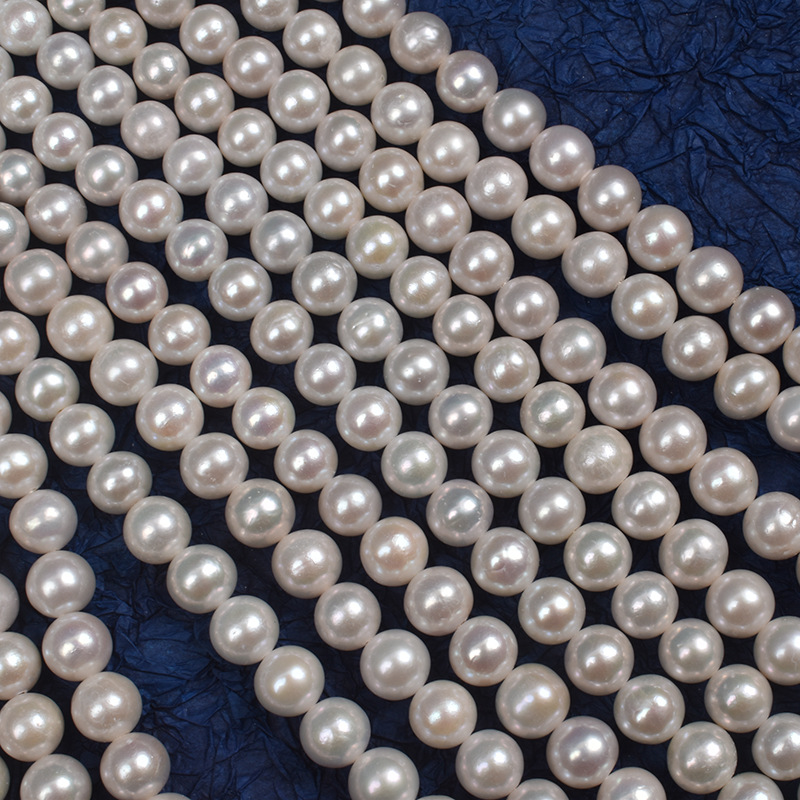
The most useful comparison is not Edison pearls versus every other pearl type. It is Edison pearls versus the older-style freshwater pearls many buyers still remember. Traditional freshwater pearl ranges often shaped the expectation that freshwater pearls are usually smaller and more varied in shape. Edison pearls helped change that expectation by making larger, rounder freshwater pearls much more visible in the market.
That does not mean Edison pearls are automatically superior to all traditional freshwater pearls. It means they usually serve a different design and buying goal. If a buyer wants a freshwater pearl with more size, stronger symmetry, and greater statement presence, Edison pearls may be especially attractive. If the buyer prefers softer outlines, more organic individuality, or a more classic non-nucleated freshwater look, another category may be a better fit.
You can compare these categories further in our pages on nucleated freshwater pearls and freshwater non-nucleated pearls.
Edison Pearls vs South Sea or Tahitian Pearls
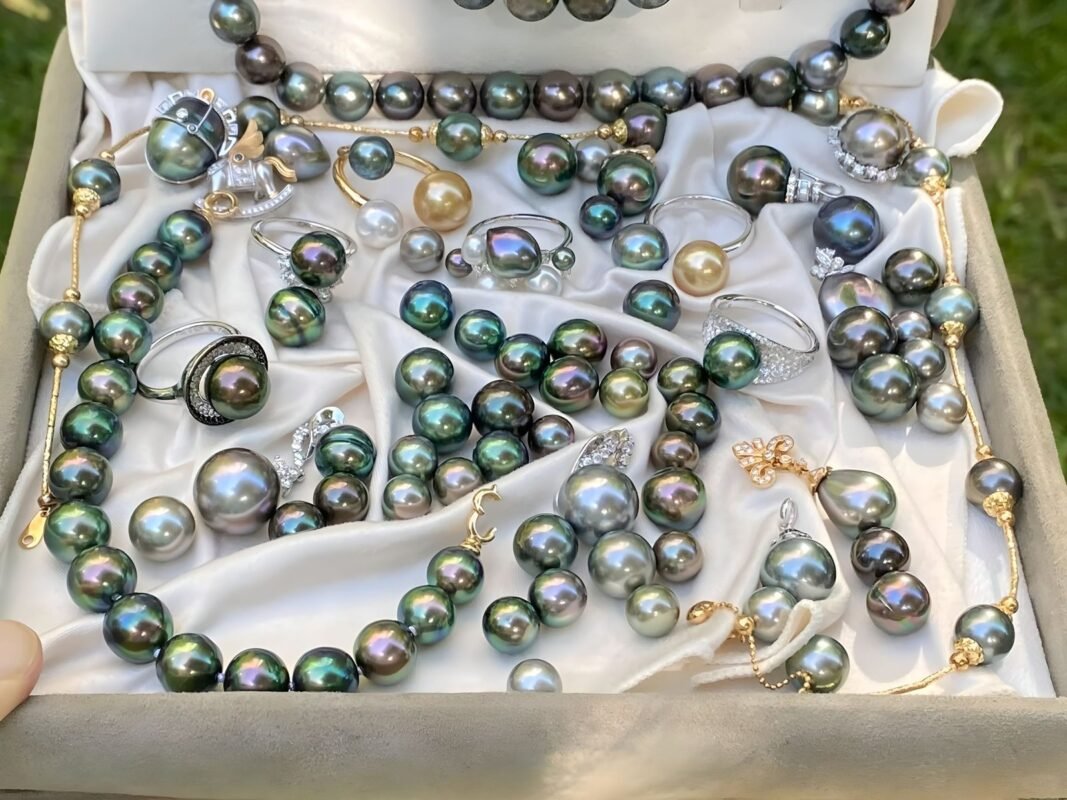
This is where overstatement becomes risky. Edison pearls can sometimes remind buyers of South Sea or Tahitian pearls because they may offer a larger look, stronger roundness, and more dramatic visual presence than many people expect from freshwater pearls.
But they are still not the same category of pearl. Edison pearls are freshwater cultured pearls. South Sea and Tahitian pearls come from different mollusks and different culturing environments. So the smart comparison is not “Are they identical?” but “What look, size, budget, and quality profile does this buyer want?”
If you want to compare these pearl families in more detail, see our pages on South Sea pearls and Tahitian black pearls.
What Buyers Often Get Wrong About Edison Pearls
Edison does not automatically mean natural color
One common mistake is assuming that “Edison” automatically means the pearl’s color is untreated. That is too simple. In real-world buying, color origin should be judged case by case rather than assumed from the name alone.
If you want a broader introduction to pearl color enhancement, read our lesson on pearl color enhancement treatments.
Edison does not automatically mean top quality
Another mistake is assuming that Edison pearls are always top quality. They are not. The label helps describe a pearl segment, but quality still depends on the actual pearl’s luster, surface, shape, color, nacre, and matching.
Not every large round freshwater pearl should be called Edison in the strictest sense
Trade language is often used more loosely in the market than in technical writing. That means some sellers may use the term more broadly than others. Buyers should understand the label, but should not depend on it too heavily.
How to Judge an Edison Pearl in Practice
The best way to judge an Edison pearl is to use the same disciplined approach you should use for any fine pearl: start with the quality factors, not the name.
Look at luster first
Luster is often the first checkpoint. A pearl may be impressively large and round, but if its luster looks flat or muddy, it will not have the same beauty or value impression as a slightly smaller pearl with sharper reflections and better life.
Then check surface, shape, and color quality
A strong Edison pearl should feel visually coherent. It should not only be large; it should also have attractive reflections, pleasing bodycolor and overtone, and a surface that does not distract the eye too much.
Consider size in context
Larger pearls can be especially impressive, but bigger is not always better if the pearl sacrifices luster, surface, or balance. A very large pearl with average appearance may be less desirable than a slightly smaller pearl with stronger overall beauty.
For pairs and strands, matching matters too
If you are buying earrings, strands, or finished jewelry, matching in size, shape, luster, and color has a major effect on how refined the final piece looks.
For a fuller framework, see our guide to evaluating pearl value.
Are Edison Pearls Worth Buying?
For many buyers, yes. Edison pearls can be a very attractive option if you want a freshwater pearl with larger visual scale, more symmetry, and a more modern statement look than traditional freshwater lines often provide.
But the right conclusion is not “Edison pearls are always worth buying.” The better conclusion is this: a good Edison pearl can absolutely be worth buying, but you still need to judge the actual pearl. The name is useful because it signals a likely product style. It is not useful if it tempts you to stop evaluating quality.
If you are sourcing freshwater pearls for design, resale, or custom jewelry, you can also browse our Freshwater Pearls Wholesale collection.
Final Takeaway
An Edison pearl is best understood as a real freshwater cultured pearl sold under a distinctive trade name and product profile. It often looks different because the market typically presents Edison pearls as larger, rounder, and more visually bold than the freshwater pearls many buyers first became familiar with.
The most important thing to remember is this: Edison is a helpful label, not a complete judgment. It can help you predict the style of pearl you may be looking at, but it cannot replace careful evaluation of luster, surface, color, shape, nacre, and matching.
Further Reading
- Nucleated Freshwater Pearl
- Freshwater Non-Nucleated Pearl
- Pearl Color Enhancement Treatments
- Pearl Identification
- Evaluating Pearl Value