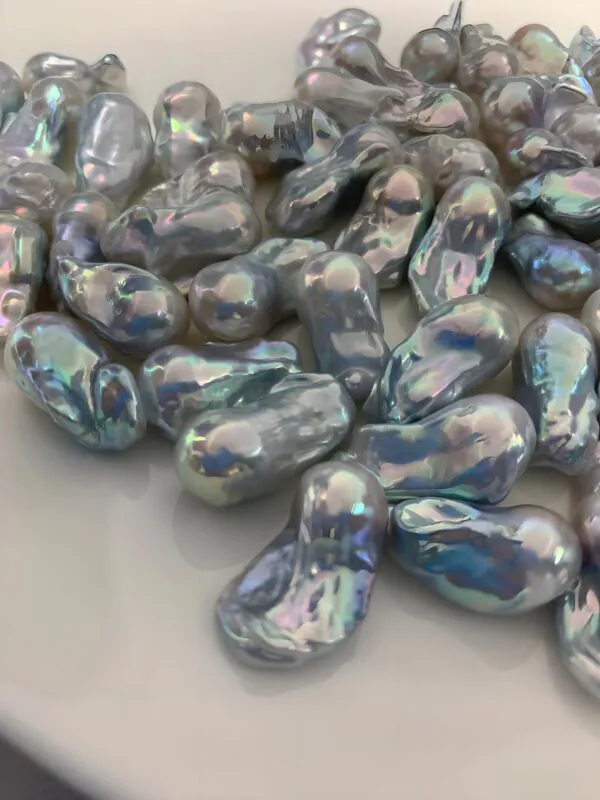
What Pearls Suit Younger Wearers? How to Style Pearls Without Looking Too Mature
There is no pearl size, shape, or type that belongs to a particular age group. What usually makes pearl jewelry feel “mature” is not the pearl itself, but the combination of a very traditional design, formal styling, matching pieces, and conservative proportions. For a fresher everyday look, younger wearers can start with simple studs, a single pearl pendant, short strands, baroque shapes, pearl drops, or designs that mix pearls with modern metal details.
The useful question is therefore not “Am I too young for pearls?” but “Which pearl design fits the way I already dress?” A 7 mm round pearl can look traditional in one setting and completely contemporary in another, while a large irregular pearl can feel more artistic than formal.
Quick Guide: Which Pearls Are Easiest for Younger Wearers?
| Jewelry Style | Easy Starting Point | Typical Visual Effect |
|---|---|---|
| Pearl studs | About 5–8 mm | Clean, simple, easy for everyday wear |
| Single pearl pendant | About 7–10 mm | Minimal and easy to layer |
| Short pearl necklace | Small to medium pearls, or irregular pearls | More fashion-oriented than a formal graduated strand |
| Pearl drop earrings | Round, drop, or baroque pearls | Movement makes the design feel lighter |
| Baroque pearl jewelry | Almost any wearable size | Organic, individual, less visually formal |
| Large statement pearls | About 9 mm and above | Bold rather than necessarily mature when the setting is simple |
These are starting points rather than age rules. Someone with a minimalist wardrobe may prefer tiny studs, while another younger wearer may feel more natural in an oversized baroque pearl necklace. Personal style matters more than the number on a pearl gauge.
What Actually Makes Pearl Jewelry Look More Mature?
Pearls have a long association with formal dressing, so several styling choices combined together can create a more traditional impression. None of these choices is wrong. They simply produce a different visual language.
1. Wearing an Entire Matching Pearl Set
A matching pearl necklace, matching studs, bracelet, and formal clothing create a deliberately coordinated look. That can be beautiful for weddings, ceremonies, or classic dressing, but it is usually more formal than what someone wants for jeans, workwear, university, or casual weekends.
If the goal is to make pearls feel more relaxed, start with one pearl element. Wear the studs without the necklace, or use the necklace with simple metal earrings.
2. Combining Classic Pearls with an Equally Classic Outfit
A perfectly matched round strand worn with a conservative dress or formal jacket naturally emphasizes the traditional side of pearls. Put the same strand over a plain T-shirt, an oversized shirt, knitwear, or denim and the impression changes.
This is one of the most useful principles in pearl styling: contrast can modernize a classic pearl without requiring you to replace it.
3. Using Ornate Settings When You Prefer Minimal Jewelry
Halos, elaborate floral settings, multiple gemstones, decorative bows, and heavy metalwork can make a small pearl feel much dressier. Younger wearers who normally choose simple jewelry may find a clean post, thin chain, small hoop, or uncomplicated pendant setting easier to integrate into daily outfits.
4. Assuming “Classic” and “Old-Fashioned” Mean the Same Thing
They do not. Round white pearls remain classic because their shape and color are easy to recognize and combine. A pair of simple round pearl studs can be one of the least complicated pieces in a jewelry box.
The difference usually comes from how the pearl is presented: scale, setting, necklace length, surrounding jewelry, clothing, and whether the whole look feels deliberately formal.
The Best Pearl Styles for a Fresh, Modern Look
Small to Medium Pearl Studs
Pearl studs are one of the easiest entry points because there is very little styling to manage. Roughly 5–6 mm pearls create a delicate effect, while the 7–8 mm range is more visible without necessarily becoming a statement piece.
The setting also matters. A plain post keeps the pearl classic and clean. A pearl attached to a small hoop, ear jacket, chain, or asymmetrical design makes the same basic pearl feel more contemporary.
If earrings are the main piece you wear every day, browse different pearl earring styles rather than choosing by pearl diameter alone.
A Single Pearl Pendant
For someone who likes thin chains and minimal necklaces, a single pearl pendant is often easier to wear than a full strand. The chain creates visual space around the pearl, so even an 8–10 mm pearl can feel light rather than formal.
This format also layers naturally with an ordinary gold or silver chain. If you want the pearl to stay subtle, choose a smaller pendant. If you want it to act as the focal point, increase the pearl size rather than adding a more complicated setting.
Different silhouettes can be compared in the pearl pendant collection.
Baroque and Irregular Pearls
Baroque pearls are popular for modern styling because their uneven shapes immediately interrupt the image of a perfectly uniform traditional strand. Each pearl can have a different outline, creating texture and a more organic appearance.
But an important distinction is worth making: baroque is a shape description, not a quality grade. An irregular pearl can have beautiful luster and an attractive surface, while a round pearl can have weak luster. If you are comparing pearl quality, judge shape separately from the other factors.
You can see how dramatically irregular profiles vary in our selection of baroque pearls.
Pearl Drops and Moving Earrings
A pearl hanging beneath a small hoop, chain, hook, or simple metal element creates movement. That movement can make pearl earrings feel less static and ceremonial than a traditional button-style earring.
Drop-shaped and baroque pearls are particularly useful here because their silhouette becomes part of the design rather than something that needs to imitate a perfect sphere.
Short Strands and Pearl Chokers
A full pearl necklace does not automatically look formal. Length and construction make a major difference.
A shorter strand worn close to the base of the neck can feel quite different from a traditional graduated necklace. Small pearls, irregular pearls, intentionally mixed sizes, spaced pearls, or a metal clasp that is designed to be seen can push the necklace further toward fashion jewelry.
For a simpler version, wear a short pearl strand with one longer metal chain instead of combining it with matching pearl earrings.
What Pearl Size Looks Best on a Younger Wearer?
There is no correct pearl size based on age. Size changes visual presence, not age suitability. A useful way to choose is to decide whether you want the pearl to disappear into the outfit, balance it, or dominate it.
| Approximate Size | Visual Impression | Good Starting Uses |
|---|---|---|
| 4–6 mm | Fine and understated | Small studs, delicate strands, layered necklaces |
| 6–8 mm | Balanced and noticeable | Everyday studs, short necklaces, small drops |
| 8–10 mm | More visible and polished | Pendants, drops, statement studs |
| 10 mm+ | Strong focal point | Minimal pendants, baroque designs, statement earrings |
The jewelry format changes how the measurement looks. A 9 mm pearl used alone on a thin chain may feel cleaner than dozens of 7 mm pearls in a tightly matched strand. Likewise, a large pearl suspended from a small hoop can look playful rather than formal.
Do not automatically buy the smallest pearls because the wearer is young. If the person normally wears bold hoops, chunky rings, or larger pendants, tiny pearls may actually feel less natural than a larger design.
Round or Baroque Pearls: Which Looks Younger?
Baroque pearls often create a less formal impression, but that does not mean younger wearers should avoid round pearls.
Think of the difference this way:
- Round pearls provide symmetry, polish, and a clean classic look.
- Near-round pearls keep much of that clean appearance with slightly less visual perfection.
- Baroque and irregular pearls introduce texture, asymmetry, and a more organic character.
If the wearer likes minimalist clothing, a perfectly round pearl may actually be the better match. If they like handmade, artistic, asymmetrical, or more expressive jewelry, irregular pearls may feel more natural.
Shape should therefore be chosen as a design decision rather than treated as a shortcut for age.
Which Pearl Type Works Best for Younger Buyers?
Pearl type and jewelry style are separate decisions. Freshwater, Akoya, Tahitian, and South Sea cultured pearls can all be made into contemporary jewelry, but they offer different natural starting points.
Freshwater Cultured Pearls
Freshwater pearls offer a particularly broad selection of shapes, sizes, and soft natural color ranges. They are useful when you want baroque pieces, small pearls, experimental shapes, mixed designs, or everyday jewelry without being limited to the traditional round-white-strand aesthetic.
Akoya Cultured Pearls
Akoya pearls are closely associated with round white pearl jewelry and crisp luster. That makes them an excellent choice for someone who wants a refined pearl rather than an intentionally irregular one.
To make Akoya jewelry feel less formal, the easiest approach is usually not to change the pearl but to simplify the design: a clean pair of studs, one pendant, or a small pearl incorporated into a modern earring.
Tahitian Cultured Pearls
Tahitian pearls can show gray, greenish, silver, charcoal, and other naturally dark appearances. Their darker palette provides a strong alternative for someone who likes pearls but does not identify with traditional white jewelry.
A single Tahitian pearl on a simple chain can be visually dramatic without requiring an elaborate design.
South Sea Cultured Pearls
South Sea pearls are commonly associated with larger sizes, so they tend to have more visual presence. This does not make them unsuitable for younger wearers. It simply means the design usually works best when the wearer actually wants the pearl to be noticed.
A large pearl combined with a clean setting can read as modern luxury, while the same size surrounded by heavy decorative metalwork may feel much more formal.
How to Style Pearls Without Looking Too Formal
The easiest strategy is to create one point of contrast. You do not need to make every part of the outfit trendy.
With a T-Shirt or Denim
Use a pearl strand, studs, or drops exactly where you would normally wear a metal necklace or hoop earrings. Casual fabric immediately removes some of the ceremonial feeling associated with pearls.
With a Blazer
A single pendant or simple drop earrings usually keep the outfit clean. If you choose a full pearl strand, leave the other jewelry minimal so the look does not become excessively coordinated.
With Knitwear
Pearls stand out clearly against simple knit textures. A pendant over a plain crew neck or a short necklace at the collar can work without needing any other pearl piece.
With Streetwear or Oversized Clothing
This is where contrast can do most of the work. A short pearl necklace against a loose T-shirt, sweatshirt, leather jacket, or oversized shirt creates a deliberate tension between polished jewelry and relaxed clothing.
With Romantic or Feminine Clothing
If the outfit already contains bows, lace, ruffles, floral prints, or other soft details, simplify the pearl jewelry. One small pendant or a pair of restrained drops may keep the overall look lighter than a matching pearl set.
Should You Mix Pearls with Gold or Silver Jewelry?
Both work. The better choice is usually the metal the wearer already uses.
Yellow gold or gold-tone metal can add warmth to white and cream pearls. Silver-colored metals can create a cooler, cleaner contrast. More importantly, combining pearls with familiar chains, hoops, cuffs, or rings helps the pearl feel like part of an existing jewelry wardrobe rather than a special item reserved for formal events.
You can also layer a pearl necklace with a plain chain, but leave some difference in length so the two necklaces remain visually distinct.
Three Simple Pearl Formulas That Are Hard to Get Wrong
- Minimal: 6–8 mm pearl studs + ordinary everyday clothes + no matching pearl necklace.
- Layered: single pearl pendant + slightly shorter or longer plain metal chain + open neckline or simple knit.
- Statement: one larger or irregular pearl piece + minimal supporting jewelry + relaxed clothing.
These formulas work because each gives the pearl one clear role. It can be a small accent, part of a layered combination, or the main statement. Problems usually appear when several competing ideas are added at once.
What Should You Look for When Buying the Pearls Themselves?
A contemporary design does not eliminate the need to evaluate the pearl. Shape, size, and setting affect style, while luster, surface, color, nacre quality, and matching also influence the appearance and value of the finished piece.
One common mistake is paying for perfect roundness when the wearer would actually prefer an organic-looking design. Another is going in the opposite direction and assuming an irregular pearl is automatically stylish regardless of its luster or surface condition.
Keep the two questions separate:
- Do I like the design? Consider size, silhouette, metal, necklace length, movement, and how it fits the wearer's wardrobe.
- Is this a good example of the pearl I am buying? Evaluate its actual pearl quality and compare it with similar pearls of the same type.
Our guide to evaluating pearl value explains these quality factors in more detail.
Common Mistakes When Choosing Pearls for a Younger Person
Buying a Full Set Because It Feels More Complete
A necklace, earrings, and bracelet may provide more jewelry, but they do not necessarily provide more wear. If the recipient dresses casually, one excellent pair of earrings or a versatile pendant may be used far more often.
Assuming Younger Means Smaller
Delicate jewelry suits some people, not an age category. Someone who normally wears bold accessories may prefer a 10 mm pearl or a large irregular drop over a 5 mm stud.
Choosing a Trend Instead of the Wearer's Existing Style
Baroque pearls, mixed chains, asymmetry, and short necklaces can all feel contemporary, but not everyone likes them. Look at the jewelry the person already wears. The best pearl piece usually has something in common with that collection.
Focusing on Shape and Ignoring Luster
Roundness is easy to notice in a product listing, but it is not the only characteristic that affects beauty. A pearl with lively luster can be visually striking even when its shape is not perfectly round.
Saving Pearls Only for Special Occasions
If the objective is a younger, more relaxed look, everyday use is part of the solution. Studs with a sweatshirt, a pendant with a white shirt, or a baroque drop with denim can make pearls feel like ordinary personal jewelry rather than ceremonial jewelry.
A Practical Buying Rule
If you are uncertain, start with one simple piece in a scale the wearer already likes. For many buyers that means 6–8 mm studs, a 7–10 mm single pearl pendant, or a small-to-medium irregular pearl earring. From there, decide whether the person prefers classic symmetry or a more organic shape.
If you are buying rather than restyling pearls you already own, the Margaret Jewelry finished pearl jewelry collection can help you compare earrings, pendants, necklaces, bracelets, and rings by actual silhouette. Choose the format the wearer is most likely to use first, then compare pearl quality within that design.
FAQ
Can young people wear classic round pearls?
Yes. Round pearls are not age-specific. Simple round studs or a single round pearl pendant can look extremely clean and modern. If a traditional strand feels too formal, change the styling or jewelry format rather than assuming round pearls are the problem.
What pearl size is best for someone in their 20s?
There is no fixed size based on age. Roughly 6–8 mm is an easy everyday range for many stud earrings, while a single pendant can comfortably be larger. Someone who already prefers statement jewelry may be happier with 9–12 mm or larger pearls.
Do baroque pearls look younger than round pearls?
They can feel less formal because their irregular outlines create a more organic appearance, but they are not automatically better for younger wearers. A minimalist round pearl can look just as contemporary.
Are small pearl studs old-fashioned?
No. Small pearl studs are among the simplest pearl designs available. Wear them alone, combine them with an ear stack, or pair them with casual clothing if you want to reduce their traditional character.
Can large pearls look youthful?
Yes. Large pearls create stronger visual impact, but that impact can be bold, artistic, or minimalist rather than mature. A large baroque drop or a single large pearl on a clean setting can look very contemporary.
Is a pearl necklace or pearl pendant better for a younger wearer?
A pendant is often the easiest choice for someone who normally wears delicate chains, while a short strand can work better for someone who enjoys visible jewelry. Choose according to their existing necklace habits rather than age alone.
The Bottom Line
Pearls do not make someone look older; styling determines whether they feel formal, classic, minimal, artistic, or contemporary. For a younger wearer, start with the jewelry format they already enjoy, choose a pearl size that matches their preferred scale, and use shape and setting to control how traditional the final piece feels.
If you want the safest everyday choice, consider simple studs or a single pendant. If you want something less traditional, explore drops, baroque shapes, shorter strands, visible metal details, or layered designs. The goal is not to make pearls look “young.” It is to make them look like they genuinely belong to the person wearing them.