What Pearls Are Best for a Wedding? How to Choose Bridal Pearl Jewelry
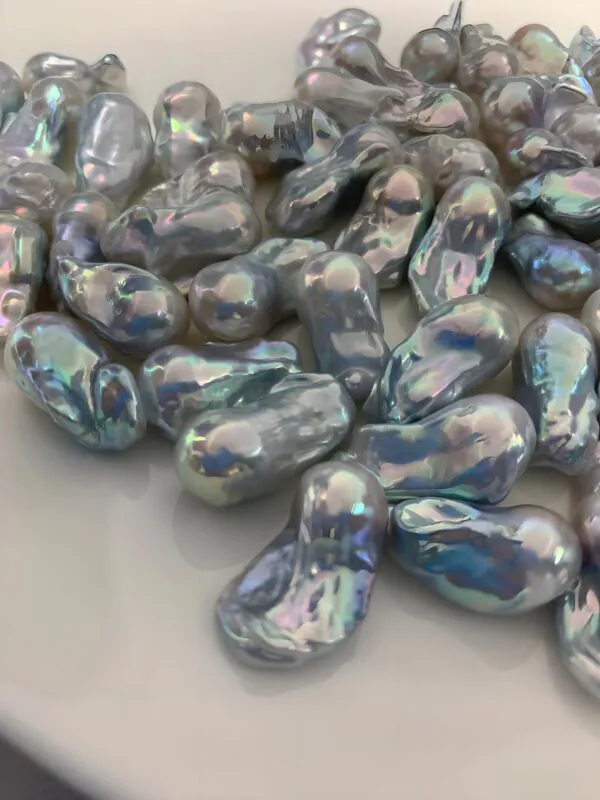
The best pearls for a wedding are not determined by one pearl type or one “correct” size. The right bridal pearl jewelry should work with the wedding dress, neckline, hairstyle, level of dress detail, and the bride’s personal style. Akoya pearls are a classic choice, freshwater pearls offer excellent flexibility and value, South Sea pearls create more presence, and Tahitian or baroque pearls can make a bridal look feel intentionally unconventional.
Quick Answer: Which Pearls Are Best for a Bride?
If you want a simple starting point, choose according to the look you are trying to create:
- Classic and traditional: white Akoya pearls, especially studs, drop earrings, or a short strand.
- Elegant without a high price premium: high-luster freshwater cultured pearls in round or near-round shapes.
- Modern and minimalist: a single pearl pendant, clean pearl drops, or a restrained pair of studs.
- Luxury statement: larger white South Sea pearls in earrings or a pendant.
- Organic or contemporary: baroque freshwater pearls with visible individual shape.
- Nontraditional bridal look: Tahitian pearls or other darker pearl colors used deliberately rather than trying to imitate the classic white-pearl look.
Before choosing the pearl variety, however, decide where the jewelry needs to sit in the complete bridal look. In practice, the dress often matters more than the pearl category.
Start With the Wedding Dress, Not the Pearl Type
A common mistake is choosing beautiful pearl jewelry in isolation and only later checking whether it works with the gown. Reverse the order. Look first at the neckline, fabric, embellishment, veil, and hairstyle, then decide how much visual space is available for jewelry.
The more detail the dress already carries around the neckline and shoulders, the less the jewelry usually needs to do. A clean satin or minimalist gown, on the other hand, can support a larger pearl, a visible strand, or more sculptural earrings without looking crowded.
| Dress neckline | Pearl jewelry that often works well | What to watch for |
|---|---|---|
| Strapless | Short pearl strand, pendant, studs, or drops | There is plenty of open space, so either the necklace or earrings can become the focal point. |
| Sweetheart | Delicate strand, pendant, or drop earrings | Follow the soft shape of the neckline rather than covering it with an oversized necklace. |
| V-neck or plunge | Pearl pendant, drop pendant, or longer vertical design | A vertical necklace usually follows the neckline more naturally than a heavy horizontal strand. |
| Off-the-shoulder | Short strand or more noticeable earrings | Choose one dominant area rather than making both necklace and earrings compete. |
| High neck, halter, or illusion | Pearl studs, drop earrings, or bracelet | A necklace can make an already detailed neckline feel crowded. |
| Heavily beaded or lace bodice | Simple studs or restrained drops | Complex jewelry can disappear into—or compete with—the dress detail. |
Choose One Main Pearl Focal Point
You do not need a pearl necklace, earrings, bracelet, hairpiece, and ring simply because it is a wedding. In many bridal looks, choosing one main focal point produces a cleaner result.
If the dress has a simple open neckline, the necklace can lead. If the neckline is detailed or covered, earrings often become the better focal point. If the bride is wearing an elaborate veil, tiara, or embellished hair accessory, smaller pearl earrings may be enough.
This also means a bridal jewelry “set” does not have to consist of identical pearl sizes everywhere. A pair of 7–8 mm earrings can work with a necklace using smaller pearls, for example, as long as the color, luster, metal, and overall visual weight feel coordinated.
Akoya vs. Freshwater vs. South Sea vs. Tahitian Pearls for Weddings
There is no single pearl type that is objectively best for every bride. Each creates a different effect and comes with a different price structure.
| Pearl type | Bridal look | Best suited for | Buying consideration |
|---|---|---|---|
| Akoya | Classic, bright, refined | Studs, matched earrings, traditional strands | Excellent when roundness, sharp luster, and a formal appearance are priorities. |
| Freshwater | Classic to modern | Studs, strands, pendants, baroque designs, bridal sets | Offers a very wide range of sizes, shapes, colors, and price points. |
| South Sea | Luxurious, substantial, understated statement | Larger studs, drops, pendants | Larger sizes can create strong presence, but prices rise considerably with quality and size. |
| Tahitian | Modern, dramatic, unconventional | Statement earrings and pendants | Natural dark bodycolors create a very different bridal effect from traditional white pearls. |
| Baroque freshwater | Organic, romantic, fashion-led | Drops, pendants, contemporary necklaces | Choose them because you like individual shape rather than expecting perfect symmetry. |
For the familiar white-pearl bridal aesthetic, Akoya pearls are one of the most traditional choices. High-quality freshwater pearls can create a similarly elegant impression at a different price point, while South Sea pearls are worth considering when a larger, more luxurious focal pearl is the goal.
Brides who deliberately want darker jewelry can also explore Tahitian pearls, but they should be treated as a style decision of their own rather than as a substitute for white bridal pearls.
What Pearl Size Is Best for Bridal Jewelry?
Pearl size changes how formal, delicate, or noticeable the jewelry appears. There is no required bridal size, but a few ranges provide useful starting points.
| Pearl size | Visual effect | Common bridal use |
|---|---|---|
| 5–6 mm | Delicate and subtle | Small studs, fine strands, bridesmaid jewelry, detailed gowns |
| 6–7 mm | Refined without being prominent | Studs and lighter classic necklaces |
| 7–8 mm | Balanced classic presence | Stud earrings, traditional strands, versatile bridal jewelry |
| 8–9 mm | More visible in portraits and from a distance | Statement studs, drops, necklaces |
| 9–11 mm | Clearly noticeable | Large earrings, pendants, minimalist gowns |
| 11 mm and above | Strong statement | South Sea or large freshwater focal pieces |
For someone unsure where to begin, approximately 7–8 mm is a useful middle ground for classic pearl studs or a traditional necklace. It is large enough to register clearly without automatically becoming the dominant feature of the outfit.
That is only a starting point. A petite pearl may be more appropriate beside intricate lace, while a clean architectural gown can carry a much larger pearl beautifully.
For a Wedding, Prioritize Luster Before Simply Buying Bigger Pearls
Bridal jewelry is often seen at relatively close range—in portraits, during the ceremony, and while greeting guests. For that reason, a bright, attractive pearl can matter more visually than simply increasing the diameter.
The GIA pearl buyer's guide evaluates pearls through seven major value factors: size, shape, color, luster, surface quality, nacre quality, and matching. For bridal jewelry, those factors are still useful, but their practical priority depends on the piece.
- Luster: one of the first qualities to notice because it determines how lively or dull the pearl appears.
- Matching: especially important for stud earrings, symmetrical drops, and classic strands.
- Surface: cleaner pearls look more refined, but tiny surface characteristics may be acceptable if they are difficult to see when worn.
- Shape: roundness matters most when the design is meant to look formal and symmetrical; it matters less when baroque shape is intentional.
- Size: increases presence, but should not automatically be prioritized over luster and overall quality.
In other words, if the budget requires a choice between a larger dull pearl and a slightly smaller pearl with noticeably stronger luster, the smaller high-luster option can often make the better bridal piece.
For a deeper explanation of what actually affects quality and price, see our guide to evaluating pearl value.
How to Choose Pearl Earrings for a Wedding
Pearl earrings are one of the easiest bridal choices because they work even when the neckline leaves no room for a necklace.
Pearl studs
Studs are the safest choice for intricate dresses, large veils, statement necklaces, or brides who want jewelry that will remain easy to wear after the wedding. Smaller studs stay quiet; 7–8 mm creates a classic presence; larger studs become increasingly visible and can work especially well with minimalist gowns.
Pearl drops
Drops introduce movement and make the jewelry more visible when the hair is up. They work particularly well when the bride wants the earrings to be a focal point but does not want a necklace.
Long or statement pearl earrings
Longer earrings suit simple necklines and cleaner dresses best. Check their actual weight before the wedding rather than judging only from photographs: jewelry that feels comfortable for five minutes may feel very different after an entire ceremony and reception.
You can compare different formats in the pearl earrings collection.
How to Choose a Pearl Necklace or Pendant for a Bride
A necklace occupies more visual space than earrings, so neckline compatibility becomes particularly important.
Classic pearl strand
A short single strand gives the most traditional bridal effect. It works especially well with open necklines and dresses that are relatively simple around the collarbone.
Single pearl pendant
A pendant is easier to integrate into modern or minimalist wedding styling. It creates a focal point without placing a continuous row of pearls across the neckline. It also tends to transition naturally into everyday wear after the wedding.
Statement or multi-strand necklace
This can work beautifully with a restrained gown, but it should be treated as the dominant jewelry element. Adding large earrings, a complicated veil, and heavy neckline embellishment at the same time can make each individual detail harder to appreciate.
For comparison, browse pearl necklaces and pearl pendants separately rather than assuming they serve the same styling role.
Should the Pearl Color Match a White or Ivory Wedding Dress?
Do not rely only on the word “white.” Pearls described as white can still show cooler silver tones, creamy warmth, or subtle rose overtones, and wedding fabrics can vary from optical white to ivory, champagne, blush, or warmer cream.
The most reliable approach is to compare the jewelry with the actual dress—or at least a fabric swatch—in neutral daylight. You are looking for harmony, not an identical color match.
A slightly warmer pearl can sit naturally beside ivory or champagne fabric, while a cooler white pearl may feel especially crisp against a bright white gown. These are styling tendencies rather than fixed rules; skin tone, metal color, makeup, and personal preference can change the result.
Match the Pearls With the Hairstyle, Veil, and Metal
The jewelry should be judged as part of the complete head-and-shoulders composition, not just beside the dress on a table.
- Hair up: makes drop and dangle earrings more visible.
- Hair down: studs or shorter drops may be easier to see and less likely to interfere with loose hair.
- Large veil or embellished headpiece: usually benefits from quieter earrings.
- Minimal veil or no veil: leaves more room for statement pearl earrings.
- Warm gold metals: can complement warmer ivory, cream, and champagne styling.
- White gold or platinum: can reinforce a cooler, crisp white bridal palette.
Again, these are not rules that override personal taste. Their purpose is to prevent one accessory from accidentally fighting another.
Do Bridal Pearls Need to Be a Perfectly Matching Set?
No. Coordination is more important than identical construction.
If a necklace, earrings, and bracelet are worn together, compare their luster, visible color, metal tone, and overall level of formality. The pearl diameters can differ. In fact, slightly larger earrings paired with a more delicate necklace can create better visual balance than using the same pearl size everywhere.
Matching becomes much more important within a pair of earrings or within a formal strand, where obvious differences are easy to notice. GIA likewise treats matching as a quality factor when multiple pearls are used together.
Think About What You Will Wear After the Wedding
Wedding jewelry does not need to become a one-day purchase. If rewear matters, simple pearl studs, a restrained pendant, versatile drops, or a clean single strand usually transition more easily into workwear, dinners, anniversaries, and formal events than highly specialized bridal designs.
This can also change how you allocate the budget. Instead of buying several inexpensive accessories purely to complete a set, it may make more sense to invest in one or two better pearl pieces that you genuinely expect to wear again.
A Simple Bridal Pearl Buying Checklist
- Put the dress first. Identify the neckline, embellishment, fabric, and visual complexity.
- Choose a focal point. Decide whether the necklace, earrings, or another accessory should lead.
- Pick the pearl type. Choose Akoya, freshwater, South Sea, Tahitian, or baroque pearls according to the desired look and budget.
- Choose the scale. Use 7–8 mm as a useful classic starting point, then move smaller or larger based on the dress and personal preference.
- Check luster before chasing size. Make sure the pearls look lively rather than simply large.
- Check matching where it matters. Pay particular attention to pairs of earrings and formal strands.
- Compare color beside the dress. Use natural or neutral light when possible.
- Test the complete look. Try the jewelry with the hairstyle, veil, neckline, and makeup—not separately.
- Test comfort. Wear earrings and necklaces long enough to notice weight, movement, or snagging.
- Consider life after the wedding. Decide whether rewearability is part of the purchase value.
If you would rather compare finished pieces than loose pearls, Margaret Jewelry's finished pearl jewelry collection can be narrowed to earrings, necklaces, and pendants using the same dress, size, and proportion rules above.
What Should You Choose?
For a traditional bridal look, it is difficult to go wrong with high-luster white Akoya or high-quality freshwater pearls in a restrained size. For a modern bride, a single pendant or pearl drop can feel cleaner than a complete matching set. South Sea pearls suit a larger luxury statement, while baroque or Tahitian pearls make sense when individuality matters more than bridal convention.
The most important rule is simpler: choose pearls that complete the dress instead of competing with it. Pearl type, size, and price matter, but the best bridal jewelry is ultimately the piece that looks intentional in the complete wedding look and still feels like the person wearing it.
FAQ
What type of pearl is best for a wedding?
There is no single best type. Akoya pearls are especially suited to a classic white-pearl bridal look, freshwater pearls offer broad choice and value, South Sea pearls create a larger luxury statement, and baroque or Tahitian pearls suit more unconventional styles.
What pearl size is best for a bride?
About 7–8 mm is a useful starting point for classic studs or a traditional strand, but it is not a rule. Smaller pearls can complement detailed gowns, while 9 mm and larger pearls create more visual presence with simple dresses.
Should a bride wear a pearl necklace and pearl earrings together?
She can, but both pieces do not need to be equally prominent. If the necklace is the focal point, keep the earrings quieter. If statement earrings lead the look, a necklace may be unnecessary.
Should bridal pearls be white or ivory?
Either can work. Compare the pearls with the actual dress in neutral light rather than choosing by the color name alone. White pearls can have silver, cream, or rose nuances, while bridal fabrics also vary considerably in tone.
Do pearl earrings and a pearl necklace have to be the same size?
No. Coordinated luster, color, metal, and overall style are generally more important than using exactly the same diameter throughout the set. Matching is especially important within an earring pair or formal strand.
Are pearl studs or pearl drop earrings better for a wedding?
Studs are versatile and work well with detailed dresses, large veils, and loose hairstyles. Drop earrings add movement and visibility, making them particularly effective with updos or when the bride is skipping a necklace.