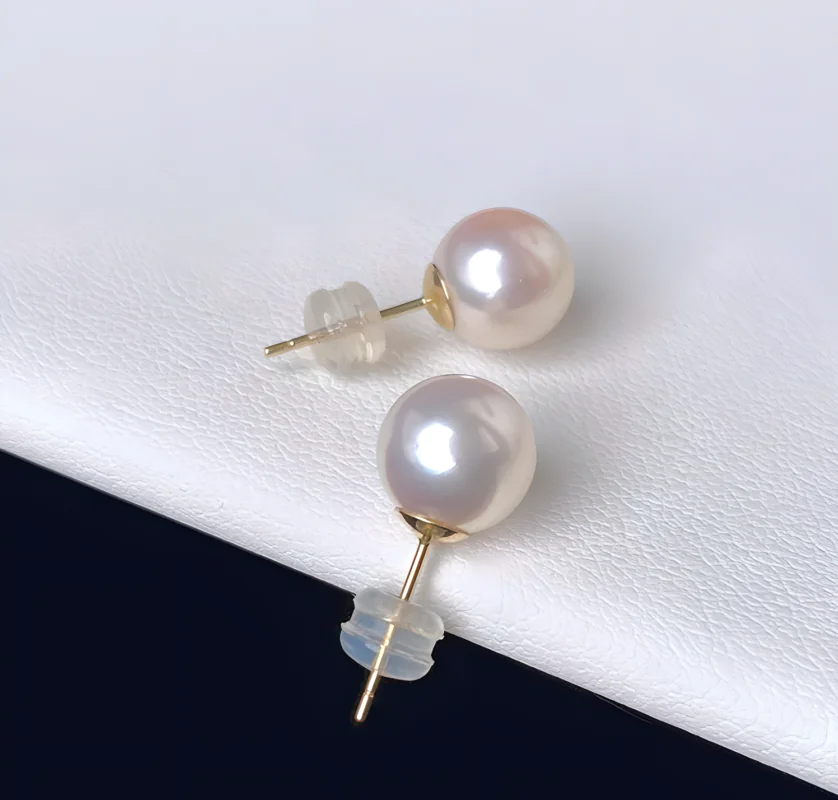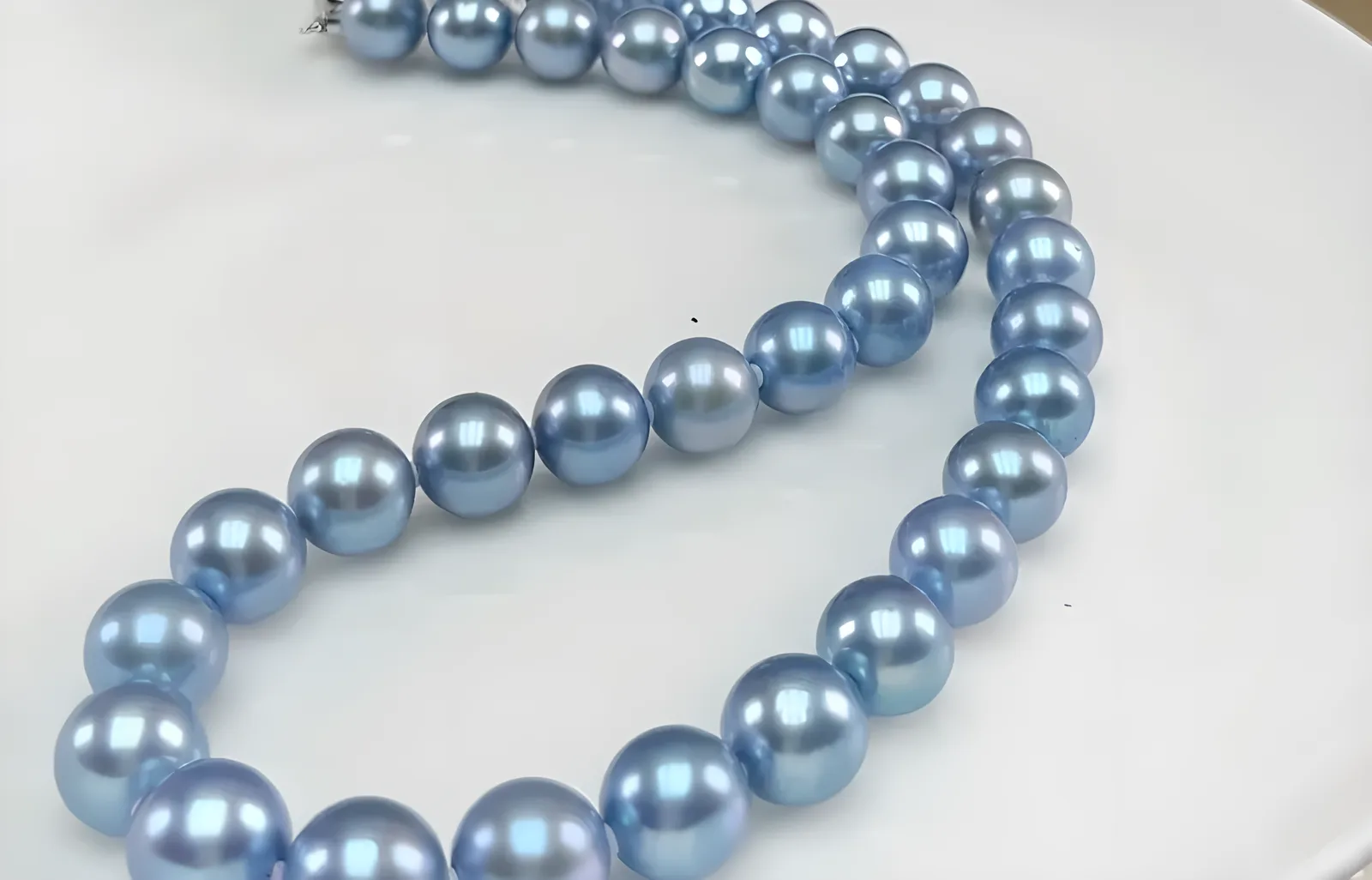
When buyers hear that a pearl has been treated, they often assume something is wrong with it. In reality, many cultured pearls go through post-harvest processing or enhancement, and some of those treatments are standard in the trade. What matters is not simply whether a pearl was treated, but what was done, why it was done, how stable the result is, and whether the treatment was disclosed clearly.
A treated cultured pearl can still be a real pearl. Treatment does not automatically make a pearl fake, imitation, or low quality. At the same time, not all treatments are equal. Some are routine finishing steps used to improve color uniformity or presentation, while others can have greater implications for durability, care, and value perception.
If you are still comparing basic pearl terms, you may also want to read our guide on whether freshwater pearls are real. And if you want to understand how structure affects beauty before treatment even enters the conversation, see how nucleation affects pearl quality.
Contents
- Are treated pearls still real pearls?
- Routine processing vs. pearl enhancement
- The most common treatments used on cultured pearls
- Do pearl treatments affect durability or value?
- When should pearl treatments be disclosed?
- How buyers should read a pearl treatment disclosure
- Final takeaway
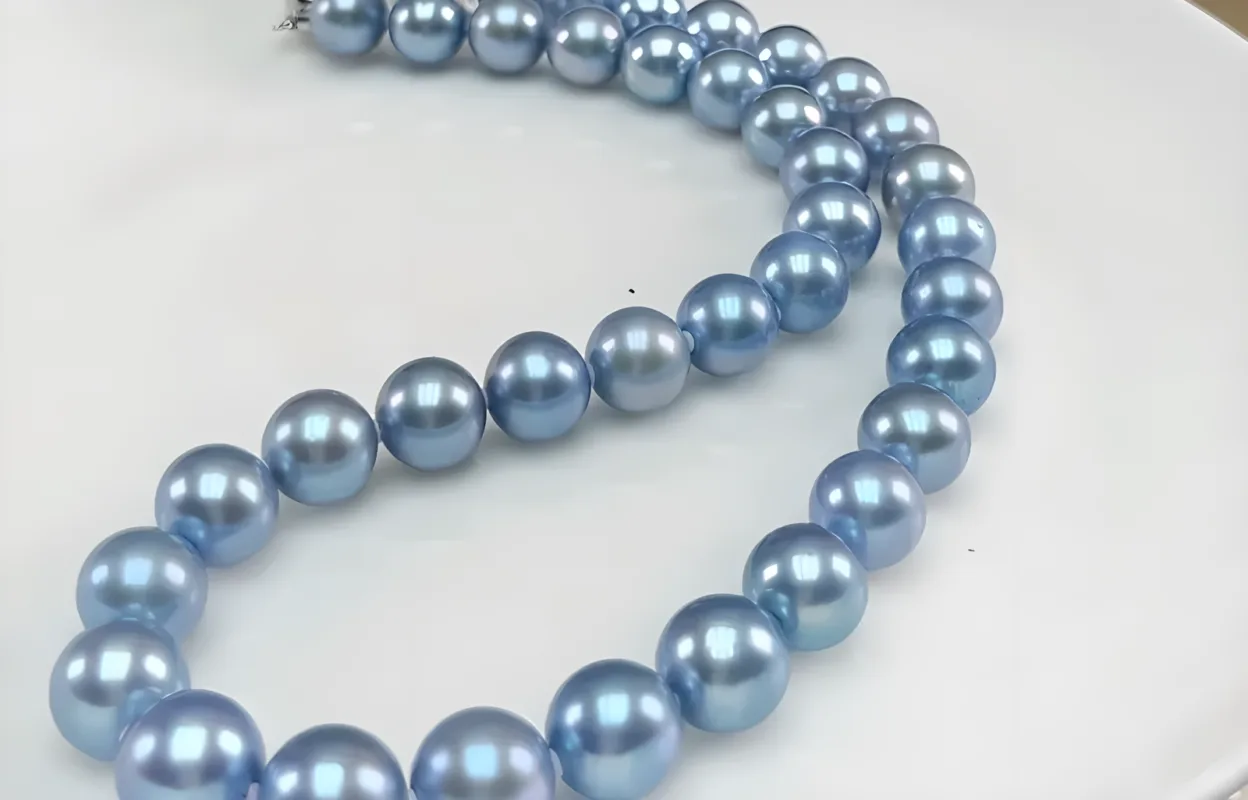
Are Treated Pearls Still Real Pearls?
Yes. A treated cultured pearl is still a real cultured pearl, as long as it formed in a mollusk rather than being an imitation product. Treatment changes appearance or surface presentation; it does not change the basic identity of the pearl.
This is where many buyers get confused. “Real,” “cultured,” and “untreated” are not the same idea. A pearl can be real and cultured. It can also be real, cultured, and treated. Those are not contradictions. In practice, the more useful question is not “Is this pearl real?” but “What treatment was used, and what does it mean for me as a buyer?”
That distinction matters in both wholesale and retail buying. If a seller clearly explains the treatment, the buyer can judge the pearl based on appearance, stability, care needs, and price rather than reacting to the word treated alone.
Routine Pearl Processing vs. Pearl Enhancement
Not every step applied after harvest should be treated as a dramatic enhancement. Pearls are often cleaned, sorted, drilled, and polished before they are matched into strands or prepared for jewelry. These are closer to normal finishing procedures than to color-changing or surface-altering enhancements.
The more important line is between routine post-harvest preparation and treatments intended to lighten, whiten, darken, recolor, brighten, coat, or otherwise alter the pearl’s visual result. Once you understand that difference, pearl treatment becomes much easier to evaluate.
For buyers, this framework is more useful than a simple “treated vs. untreated” mindset. It helps separate ordinary trade practice from the kinds of enhancements that deserve closer attention, especially when you are buying strands for resale, jewelry making, or long-term wear.
The Most Common Treatments Used on Cultured Pearls
Bleaching
Bleaching is one of the most common pearl treatments. In cultured pearls, it is often used to lighten body color, reduce uneven tones, and create a cleaner, more commercially consistent appearance. This is especially common in white or light-colored pearls.
Because bleaching is so common, it should not automatically be treated as a red flag. A bleached pearl is not fake simply because it was lightened or made more uniform. The more relevant question is whether the treatment was disclosed honestly and whether the final appearance matches the buyer’s expectations.
Dyeing
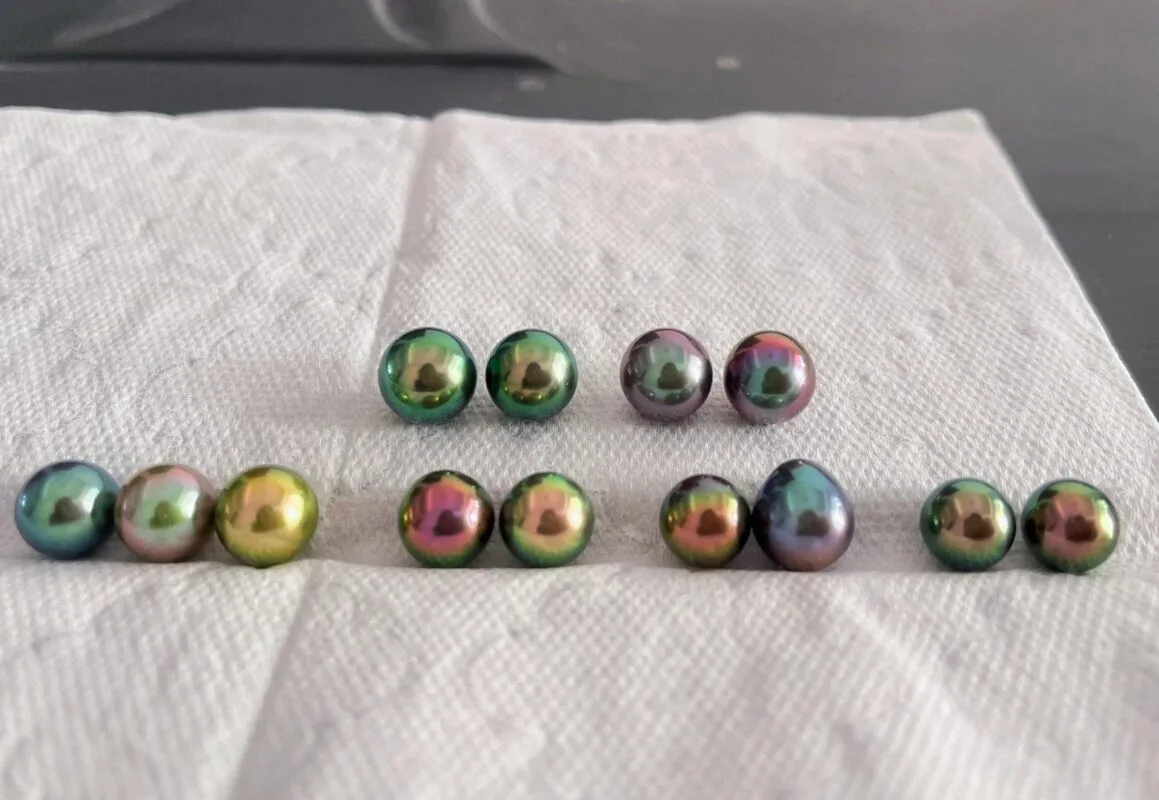
Dyeing is used to add, deepen, or shift color. Some dyed pearls are clearly fashion-oriented, while others are treated more subtly to create darker tones, stronger overtones, or more unusual colors.
Dyed pearls are not automatically undesirable. However, dyeing matters because color is often one of the main reasons a buyer chooses a pearl in the first place. If a pearl’s look depends heavily on added color, that should be clear in the description. Buyers should also understand that some color treatments may require more careful handling over time.
Irradiation
Irradiation is another treatment used to modify or darken pearl color. In practical terms, buyers usually care less about the process itself than about the result: what color effect it creates, whether that effect is stable in normal wear, and whether the treatment has been disclosed clearly.
In the pearl trade, irradiation should be understood as a color treatment, not as a sign that the pearl is not real. As with other treatments, transparency matters more than fear-based assumptions.
Coating, Filling, Impregnation, and Lustre Enhancement
Some treatments work more on the pearl’s surface or presentation than on its core body color. Coating may be used to alter the surface look or add visual effect. Filling or impregnation may be used to improve the appearance of surface features. Lustre enhancement may be used to increase visual brightness or polish the final presentation beyond normal finishing.
This group deserves closer attention because it often matters more for long-term durability and maintenance. If a pearl’s beauty depends partly on a surface-applied or stability-sensitive treatment, the buyer should know that before purchase and should receive appropriate care guidance.
Optical Brightening
Some cultured pearls may also be treated with optical brightening methods intended to make the surface appear whiter or brighter under certain lighting conditions. This is one of those trade topics that many consumers never hear about, but it is exactly why broad statements like “treated pearls are bad” are too simplistic. Different treatments do different jobs, and they do not all carry the same meaning.
Do Pearl Treatments Affect Durability or Value?
Sometimes yes, but not in the same way across all treatments. One of the biggest mistakes buyers make is talking about “treated pearls” as if every treatment creates the same risk profile. That is not how pearls work.
Some treatments are relatively stable in normal wear. Others deserve more caution because they may affect surface behavior, long-term appearance, or cleaning methods. That is why treatment information matters: not to scare buyers away, but to help them know what kind of pearl they are actually purchasing.
Value is just as nuanced. A treatment does not automatically make a pearl low quality, but it can affect market perception, care needs, and how the pearl should be represented. In many buying situations, what matters most is not treatment alone, but whether the treatment changes the buyer’s expectations about beauty, rarity, upkeep, or resale positioning.
If you are evaluating pearl quality more broadly, our article on how nucleation affects pearl quality explains why internal structure, nacre development, and farming decisions matter just as much as post-harvest treatment.
When Should Pearl Treatments Be Disclosed?
This is one of the most important questions in pearl selling. Clear treatment disclosure is not just a nice extra. It is part of professional, trust-based selling.
As a practical rule, treatments should be disclosed when they are not permanent, when they create special care requirements, or when they significantly affect value or buyer judgment. That is why vague language is not enough. If a pearl has been bleached, dyed, irradiated, coated, or otherwise enhanced in a meaningful way, the listing should say so plainly.
This matters even more online. Buyers cannot inspect pearls in person, so the product page carries more responsibility. A strong listing should tell the buyer what kind of pearl it is, what was done to it if relevant, and how it should be cared for afterward.
For industry reference, you can review the general pearl treatment and care guidance published by GIA, the disclosure-focused jewelry guidance from the FTC, and treatment terminology discussed in the CIBJO standards and guidance.
How Buyers Should Read a Pearl Treatment Disclosure
A useful pearl disclosure should answer four practical questions.
1. What was done?
Was the pearl bleached, dyed, irradiated, coated, filled, or otherwise enhanced? Clear wording is always better than soft, vague phrasing.
2. What was the treatment meant to improve?
Some treatments aim to whiten or even out color. Others darken, brighten, or improve surface presentation. This helps the buyer understand which visual features belong to the starting pearl and which belong to the enhancement.
3. Is the result stable in normal wear?
This is one of the most useful questions a buyer can ask. Even if a pearl looks beautiful today, the buyer should know whether the appearance is expected to remain stable with normal use.
4. Does the pearl need special care?
If the answer is yes, that care information should not be hidden. Pearls are already delicate compared with harder gemstones, so any treatment-related care concerns should be stated clearly.
Why Transparent Treatment Disclosure Matters
In pearls, transparency matters more than simplistic purity language. A pearl does not become worthless because it was treated, and it does not become automatically superior because it was left untreated. What matters is whether the seller explains the pearl honestly enough for the buyer to understand what they are purchasing.
For a professional pearl supplier, clear treatment language also signals technical confidence. It shows that the seller is not relying on confusion to make the sale. It helps buyers compare pearls more intelligently, care for them properly, and build trust in the business behind the product.
At MJ Pearls, we believe pearl education should make buying clearer, not more intimidating. Treatment disclosure should help buyers understand the pearl in front of them: what it is, what gives it its look, and how to evaluate it realistically.
Final Takeaway
A treated cultured pearl can still be a real and beautiful pearl. The key is not simply whether treatment exists, but which treatment was used, what it changed, how stable it is, whether it affects care, and whether it was disclosed clearly.
Bleaching may be routine. Dyeing and coating may deserve closer attention. Irradiation may be used for color modification without changing the fact that the pearl is real. Surface-related enhancements may call for more careful handling. The best buying decisions come not from fear of treatment, but from understanding it.
If you want to keep building a stronger foundation, continue with Are Freshwater Pearls Real? or explore our selection of freshwater pearls wholesale.
Bleaching, toning, dyeing, and irradiation should not be collapsed into one idea
Bleaching generally lightens or evens unwanted organic coloration. Toning or “pinking” is a subtler color adjustment often discussed in Akoya processing. Dyeing deliberately introduces or intensifies color and can create dark or vivid colors outside the pearl's natural range. Irradiation changes color through exposure to radiation and is particularly associated with some gray or darkened appearances.
These processes affect appearance in different ways and cannot always be identified reliably by eye. A dark drill hole or color concentration may suggest treatment, but the absence of such clues does not prove untreated color. The most useful buyer question is not simply “Is it treated?” but what treatment was used, what did it change, and was that information disclosed accurately?