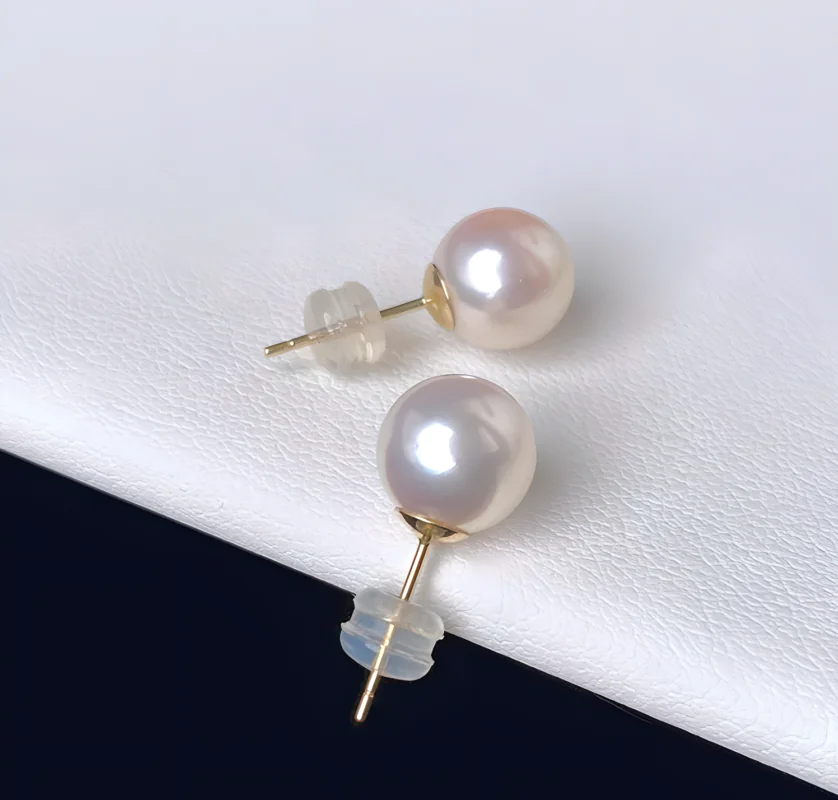
Are Irradiated Pearls Worth Buying? Safety, Value, and Treatment Disclosure Explained
Yes, irradiated pearls can be worth buying if you like their color, the price reflects that the color is treated, and the treatment is disclosed clearly before purchase. Irradiation does not automatically make a pearl “fake,” poor quality, or unsafe to wear. The more important questions are what type of pearl you are buying, whether its color is natural or treatment-induced, whether the seller has described that treatment honestly, and whether you are paying a treated-color price rather than a natural-color premium.
Quick answer: when does an irradiated pearl make sense?
An irradiated pearl can be a sensible purchase when your priority is appearance and value for money rather than natural-color rarity. Irradiation is used to alter pearl color, often producing gray, blue-gray, greenish-gray, or other darker effects that may be difficult or expensive to obtain naturally in the same pearl category.
The treatment itself should not be used as a shortcut for judging the entire pearl. A treated pearl can still have strong luster, attractive shape, good matching, a clean surface, and an appealing overall look. Conversely, irradiation cannot magically turn weak luster, poor matching, thin nacre, or severe surface problems into high-quality pearls.
A useful buying rule is:
Buy an irradiated pearl for what it is: a real pearl with treated color. Do not buy it as a substitute for an undisclosed natural-color rarity.
What does irradiation actually do to a pearl?
In gemology, irradiation means exposing a gem material to a controlled source of ionizing radiation in order to alter its appearance. GIA lists irradiation among the treatments it tests for in pearls and notes that some irradiated pearls develop dark gray colors.
The exact color mechanism depends on pearl structure and treatment method. In freshwater material, irradiation can interact with manganese-bearing components and organic material. In bead-nucleated saltwater cultured pearls such as Akoya, gemological research has shown that irradiation can also darken the freshwater-shell bead nucleus, which may change the way color and overtone are seen through the nacre.
This is why “irradiated pearl” does not describe one single visual result. Two irradiated pearls can look very different depending on the pearl type, original color, nacre, treatment conditions, and subsequent sorting.
Are irradiated pearls radioactive?
This is the safety question that causes the most confusion, because the word irradiated sounds as though the pearl must still be giving off radiation. That is not what the term means.
Irradiation describes a treatment process, not necessarily the condition of the finished pearl. In standard gamma-radiation processing, the product is exposed to radiation from a source; the source is not added to the product. Radiation-processing technology is widely used to alter materials without making the processed material itself radioactive.
There is, however, an important technical nuance. “Irradiation” is a broad term. Historical pearl research has discussed both gamma-ray and neutron irradiation, and neutron irradiation can activate certain impurities in some gem materials. International radiation-safety guidance for irradiated gemstones therefore focuses on process control, testing, traceability, and allowing any activation products to decay to insignificant levels before goods reach the public.
For an ordinary pearl buyer, the responsible interpretation is:
- commercial irradiation is a controlled industrial treatment;
- the material should be processed and released under appropriate safety controls;
- the word irradiated by itself does not mean the jewelry remains a radiation source;
- if provenance is uncertain, ask what treatment was used and whether reliable supplier or laboratory documentation exists.
In normal buying situations, the practical consumer issues are usually accurate treatment disclosure, value, and correct product description, rather than fear that a properly processed pearl is somehow “contaminated” simply because irradiation was used.
Are irradiated pearls real pearls?
Yes. A cultured pearl does not become an imitation merely because its color has been treated. The treatment changes the pearl's appearance; it does not turn the underlying cultured pearl into glass, plastic, or a coated imitation bead.
Three different questions are often confused:
| Question | What it actually asks |
|---|---|
| Is it a real pearl? | Whether the object is a natural or cultured pearl rather than an imitation |
| Is the color natural? | Whether the visible color developed naturally or was altered after harvest |
| Is it valuable? | How pearl type, size, luster, surface, nacre, shape, matching, color status, and market demand combine |
An irradiated cultured pearl can therefore be genuine as a pearl while having a treated color.
Does irradiation make pearls less valuable?
It can affect value, but there is no honest universal discount percentage. The price difference depends on the pearl type, the natural-color material being compared, overall quality, size, matching, jewelry construction, brand, and market demand.
The main value issue is rarity attribution. A naturally colored pearl may command a premium because the desirable color occurred without post-harvest color treatment. If irradiation creates a similar-looking color more readily, the treated pearl should not automatically receive the same rarity premium.
For example, a dark irradiated freshwater or Akoya pearl should not be priced merely by visually comparing it with a naturally dark Tahitian cultured pearl and assuming the color carries the same origin, rarity, or market meaning. Likewise, an irradiated gray Akoya pearl should not be sold as natural-color gray Akoya if the color was created by treatment.
Treatment status is only one part of value. Buyers should still judge luster, surface, shape, nacre, matching, size, and overall color appeal. A beautifully matched irradiated strand with sharp luster may be a much better jewelry purchase than a poorly matched natural-color strand that happens to carry a more desirable treatment status.
When irradiated pearls are worth buying
You want an unusual dark or cool-toned color at a more accessible price
If the color is visually appealing and the treatment is clearly stated, there is nothing inherently irrational about preferring a treated gray or blue-gray pearl to a more expensive natural-color option.
You are buying for design rather than collecting natural-color rarity
Designers may care more about whether a pearl works with silver, white gold, blackened metal, diamonds, or a particular color palette than about whether the color occurred naturally. In that context, treatment can expand the available design range.
The pearl quality is good before you even consider the color
Strong luster, attractive surfaces, good matching, and appropriate nacre remain meaningful. A well-selected treated pearl can be a better jewelry purchase than a naturally colored pearl that is dull, badly matched, or heavily blemished.
The seller gives you a clear written description
Transparent disclosure reduces the risk that you later discover the color was treated after paying a natural-color premium. For higher-value purchases, a respected laboratory report can add another layer of confidence when color origin or treatment status materially affects the price.
When you should probably choose natural-color pearls instead
Natural-color pearls make more sense when natural rarity itself is part of what you are paying for. That can matter to collectors, buyers comparing premium pearl categories, and anyone who wants the product description to remain meaningful if the pearl is later resold, appraised, insured, or passed on.
Be cautious when the seller uses vague phrases such as “special color,” “enhanced tone,” or “technology color” without naming the treatment; strongly implies natural color while placing the treatment only in fine print; justifies the price by comparing the item with a naturally colored pearl from another pearl category; cannot clearly identify the pearl type; or changes the treatment explanation when you request it in writing.
For a high-value purchase where natural versus treated color makes a substantial price difference, credible laboratory documentation becomes much more useful.
Treatment disclosure is not a minor detail
For irradiated pearls, disclosure is central to an honest sale because treatment can affect how the buyer interprets color, rarity, and value.
The CIBJO Pearl Book explicitly lists irradiation among cultured-pearl treatments requiring specific information at the point of sale. Its guidance says the treatment wording should appear beside the pearl or color description and should have equal prominence in written presentations. CIBJO even gives wording such as “black (irradiated) cultured pearl” as an example.
In the United States, the FTC Jewelry Guides state that sellers should disclose pearl treatments when the treatment is not permanent, creates special care requirements, or has a significant effect on value. For products sold without in-person inspection, including online purchases, the relevant disclosure should appear in the product solicitation or description rather than being revealed only after purchase.
These standards point toward a simple principle:
The buyer should understand the treatment before agreeing to the price.
How should a seller describe irradiated pearls?
A good description should answer the buyer's question without forcing them to decode euphemisms. The treatment should be visible at the same decision point where the pearl type, color, size, and price are shown.
For example:
Gray-blue irradiated cultured Akoya pearls, 7.0–7.5 mm. The color has been altered by irradiation and should be evaluated as treated color rather than natural-color gray Akoya.
For freshwater pearls:
Dark gray irradiated freshwater cultured pearls, 8–9 mm. Treatment is disclosed because irradiation was used to modify the original pearl color.
What should be avoided is language such as “natural black freshwater pearl” for a dark pearl whose color was created by treatment, or a product title emphasizing “rare blue Akoya” while hiding irradiation several screens lower.
When explaining safety to a customer, the seller should also avoid overpromising. A better explanation is that irradiation is a controlled color-treatment process and that properly processed goods are released for consumer use under applicable safety controls. If the exact irradiation method is unknown, the seller should not invent one simply to make the explanation sound more technical.
A five-point checklist before buying irradiated pearls
- Confirm the pearl type. “Irradiated” tells you about treatment, not whether the pearl is freshwater, Akoya, Tahitian, South Sea, or another category.
- Get the treatment in writing. The product page, quotation, invoice, memo, or laboratory report should make the treated-color status clear when it matters to the transaction.
- Judge normal pearl quality separately. Look at luster, surface, shape, matching, size, and nacre where relevant.
- Compare the price with treated-color alternatives. Do not assume a treated pearl deserves the same rarity premium as a naturally colored look-alike.
- Ask for documentation when the distinction materially affects price. Seller disclosure may be enough for a modest fashion purchase; independent laboratory testing becomes more useful for an expensive strand or collector purchase.
Do irradiated pearls need special care?
Do not assume that irradiation makes a pearl indestructible, and do not assume that it automatically makes the pearl unusually fragile. Pearls remain relatively soft organic gems with surfaces that can be damaged by abrasion, chemicals, heat, cosmetics, and poor storage.
Unless the seller or laboratory provides treatment-specific instructions, use normal conservative pearl care: avoid harsh cleaners, prolonged chemical exposure, excessive heat, and abrasive contact; put pearls on after cosmetics and perfume; wipe them gently after wear; and store them separately from harder jewelry.
It is also wise not to promise that every irradiated color is “permanent forever.” Treatment conditions and pearl materials vary. If permanence or color stability is commercially important, ask the supplier or laboratory for information specific to that product.
The buying decision: treatment is acceptable; non-disclosure is the problem
The strongest reason to reject an irradiated pearl is not simply that treatment was used. It is that the treatment was hidden, misrepresented, or priced as though the resulting color were naturally rare.
If you like the color, understand that it is treated, consider the underlying pearl quality good, and feel the price is fair for treated material, an irradiated pearl can be an entirely reasonable jewelry purchase.
If your goal is natural-color rarity, collecting, or premium provenance, choose natural-color pearls with documentation appropriate to the value of the purchase.
If you are comparing treated-color and natural-color pearls for a jewelry project, Margaret Jewelry can also be contacted with a request that treatment status be stated clearly in the quotation or item description before the comparison is made.
FAQ
Are irradiated pearls safe to wear?
Properly processed irradiated pearls sold through legitimate trade channels are not generally treated as a radiation hazard simply because irradiation was used. Irradiation describes a treatment process. Safety controls depend on the irradiation method and regulated release process, so uncertain-provenance material should be verified rather than judged from the word alone.
Are irradiated pearls radioactive?
Not simply because they were irradiated. Standard gamma-radiation processing does not mean the radiation source becomes part of the pearl. However, irradiation is a broad technical category and some methods, particularly neutron irradiation, can create temporary activation in some materials. Proper industrial control and release procedures are therefore important.
Are irradiated pearls fake?
No. A genuine cultured pearl can have treated color. “Cultured versus imitation” describes what the object is; “natural color versus treated color” describes whether its appearance was altered after formation.
Are irradiated pearls worth less than natural-color pearls?
Often they do not receive the same rarity premium as comparable natural-color material, but there is no fixed discount applying to every pearl. Value still depends on pearl type, size, luster, surface, nacre, shape, matching, color appeal, and market context.
Can I identify an irradiated pearl just by looking at it?
Not reliably in every case. Certain colors, internal appearances, or drill-hole observations may raise suspicion, but visual clues should not be treated as universal proof. When treatment status materially affects value, a qualified gemological laboratory is the stronger option.
What wording should appear when irradiated pearls are sold?
The description should clearly identify that the pearl color is treated by irradiation and should not imply that the color is natural. CIBJO recommends treatment wording adjacent to the pearl or color description, with equal prominence in written presentations.
Primary reference sources
Treatment and disclosure guidance for this article was cross-checked against the Gemological Institute of America, the CIBJO Pearl Book, the U.S. FTC Jewelry Guides, recent GIA laboratory research on irradiated Akoya pearls, and radiation-processing guidance from the International Atomic Energy Agency.