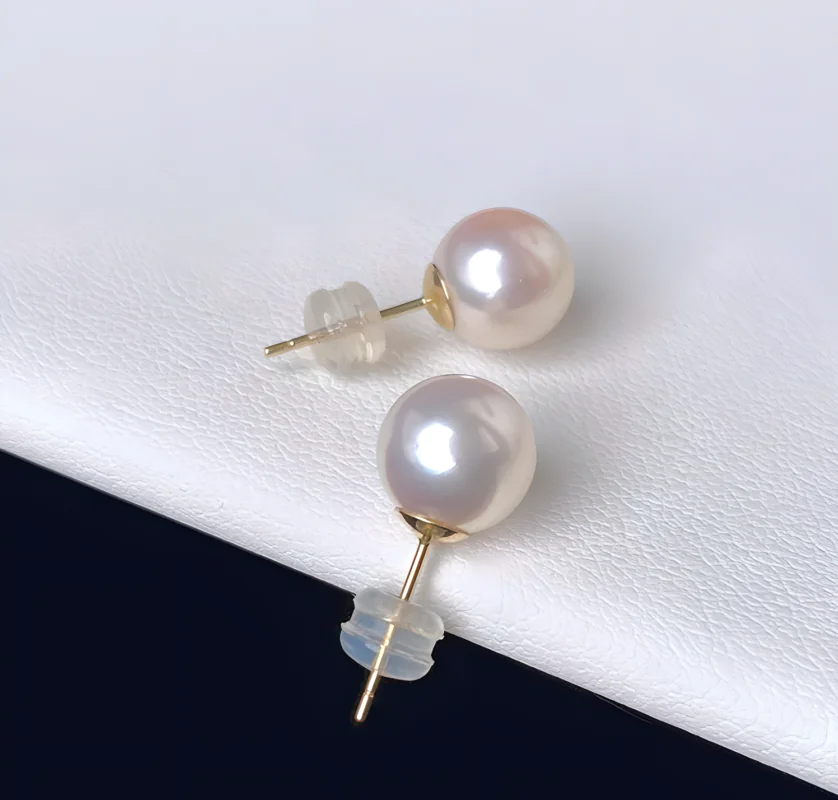
What Is Pearl Polishing? Why Polishing Does Not Mean Reshaping a Pearl
Pearl polishing is a post-harvest finishing process used to improve the smoothness and visual luster of a pearl's surface and, in some cases, reduce minor surface blemishes. It does not normally mean changing the pearl from one shape into another. If substantial grinding is used to turn an irregular or baroque pearl into a different contour, that process is more accurately described as working or reshaping, not ordinary polishing.
This distinction matters because the word “polished” can sound much more aggressive than the actual process. A polished pearl has not necessarily been carved, rounded, coated, dyed, or otherwise fundamentally altered. To understand what polishing really means, it helps to separate surface finishing from shape modification.
What Is Pearl Polishing?
In pearl-industry terminology, polishing is a finishing technique applied to natural or cultured pearls to improve their surface appearance. CIBJO, the World Jewellery Confederation, defines pearl polishing as a technique used to remove some surface blemishes and increase luster.
The exact method can vary between processors. Depending on the pearl type and production system, pearls may be gently polished using soft media, fine polishing materials, controlled tumbling, or related finishing techniques. The goal is generally to make the existing surface cleaner, smoother, and more reflective rather than to redesign the pearl itself.
Polishing is therefore best understood as one step within the broader pearl processing workflow. It takes place after the pearl has already formed inside the mollusk. The processor is working with the pearl that nature and cultivation have produced rather than creating its basic shape from raw material.
What Does Polishing Actually Change?
Polishing primarily affects the outer surface condition of a pearl. A smoother surface can reflect light more clearly, which may make the pearl appear brighter and more lustrous.
It can also reduce the visual prominence of certain shallow surface irregularities. This does not mean that every pit, wrinkle, growth mark, or indentation can be polished away. Many pearl blemishes are part of the way the nacre developed and extend too deeply to disappear through routine finishing.
In practical terms, polishing may improve:
- surface cleanliness;
- surface smoothness;
- the sharpness of reflected light;
- the appearance of some minor superficial blemishes; and
- the overall presentation of the pearl.
What polishing does not do is add new nacre. It cannot make a thin nacre layer thicker or rebuild the internal nacre structure responsible for much of a pearl's optical character. For more background on why pearl surfaces interact with light the way they do, see the guide to the physical and chemical properties of pearls.
Why Pearl Polishing Does Not Mean Reshaping
The easiest way to distinguish the two processes is to ask one question:
Is the processor improving the existing surface, or intentionally changing the pearl's overall contour?
Routine polishing works mainly at the surface. The pearl remains essentially the shape in which it was produced. A near-round pearl remains near-round. A button pearl remains button-shaped. A baroque pearl does not suddenly become a round pearl simply because it has been polished.
Reshaping is different. In pearl nomenclature, the broader term working can describe the removal of material to eliminate blemishes or deliberately alter a pearl's shape. Historically, this has been particularly relevant to some natural pearls. A significantly out-of-round or baroque natural pearl, for example, might be ground and worked toward a rounder outline.
That is a much more substantial modification than routine surface polishing.
Polishing vs. Working, Peeling, Waxing, and Luster Enhancement
Several pearl-processing terms are easily confused because all of them can affect how a pearl looks. They do not describe the same thing.
| Process | Main Purpose | Does It Normally Change the Overall Shape? |
|---|---|---|
| Cleaning / buffing | Remove residues or surface contamination | No |
| Polishing | Smooth the surface, reduce some minor blemishes, and improve apparent luster | No |
| Working / reshaping | Remove material or alter the pearl's contour | It can |
| Peeling | Remove loose outer nacre layers to expose a better layer beneath | Not primarily, although material is removed |
| Waxing | Apply wax or a similar material at or near the surface | No |
| Luster enhancement | Use a treatment other than polishing to enhance luster | Usually no |
The distinction between polishing and luster enhancement is especially important. A pearl may look brighter after both processes, but the mechanism is different. Polishing physically finishes the existing surface, whereas other luster-enhancement procedures may involve chemical or additional treatment processes.
Likewise, waxing is not simply another word for polishing. A processor may use different materials at different stages, but the terms describe different procedures in pearl nomenclature.
Can Polishing Remove Pearl Blemishes?
Some minor surface blemishes can become less noticeable after polishing, but polishing cannot safely erase every imperfection.
Imagine a very shallow irregularity at the outermost surface. Gentle finishing may smooth its edges enough that reflected light becomes more continuous. The blemish may therefore appear less obvious.
A deep pit, prominent growth groove, depression, or major surface disruption is different. Removing enough material to eliminate such a feature could require considerably more aggressive work. At that point, the process may begin to affect the pearl's contour or nacre condition and should not simply be described as ordinary polishing.
This is why “polished” should never automatically be interpreted as “all defects removed.” Genuine pearl surface characteristics can remain clearly visible after normal processing.
Can Polishing Make a Baroque Pearl Round?
Not through routine polishing.
Turning a noticeably baroque pearl into a round pearl requires material to be removed from high areas until the contour changes. That is reshaping or working.
Polishing may be used during or after such work to finish the newly exposed surface, which is one reason the terminology sometimes becomes confusing. A reshaped pearl can be polished, but this does not mean that all polished pearls have been reshaped.
A useful comparison is woodworking: sanding a finished surface and carving a block into a different shape may both involve abrasives, but they are not the same operation.
Does Polishing Create a Pearl's Luster?
Polishing can improve how clearly light reflects from the surface, but it does not create all of a pearl's luster from nothing.
Pearl luster depends heavily on the condition and structure of the pearl material itself. In nacreous pearls, layers of microscopic calcium-carbonate platelets and organic material interact with light. The quality of those layers developed while the pearl was growing inside the mollusk.
A good polishing process can present that surface more effectively. It can remove residues and reduce tiny surface disruptions that scatter light. But it cannot add missing nacre or completely transform fundamentally poor nacre into the equivalent of naturally fine nacre.
This distinction is useful when evaluating marketing descriptions. “Polished for better luster” does not mean that all visible luster is artificial, nor does polishing guarantee that two pearls started with the same underlying nacre quality.
Can You Tell Whether a Pearl Has Been Polished?
Routine polishing may be difficult to recognize with the unaided eye. In some cases, however, examination under magnification can reveal fine polishing lines or other indications of surface finishing.
Gemological laboratories can also encounter evidence of heavy polishing. GIA has documented pearls whose surfaces showed significant polishing or working under microscopic examination. Heavy processing may alter the surface condition enough to become relevant during professional identification.
This does not mean that every microscopic polishing line indicates improper processing. The degree matters. There is an important difference between normal finishing and substantial surface modification.
Is a Polished Pearl Considered a Treated Pearl?
This depends on the terminology and regulatory framework being used, but routine polishing should not automatically be equated with treatments such as dyeing, coating, irradiation, waxing, or chemical luster enhancement.
Under CIBJO pearl nomenclature, ordinary polishing is included among normal procedures applied to natural and cultured pearls. CIBJO separately identifies processes such as dyeing, coating, waxing, irradiation, and certain luster-enhancement techniques as treatments requiring different consideration.
Therefore, the statement that a pearl has been polished tells you very little about whether it has also received another treatment. A polished pearl may have had no additional treatment, or polishing may be only one stage in a longer processing sequence.
If treatment status matters when buying pearls, ask specifically about bleaching, dyeing, irradiation, coating, waxing, filling, or other enhancement procedures rather than using the word “polished” as a substitute for a complete treatment history. The pearl color enhancement treatments guide explains several of these processes separately.
What Does “Polished Pearl” Tell a Buyer?
By itself, not very much.
A description such as “polished cultured pearl” primarily indicates that the pearl has undergone surface finishing. It does not automatically tell you:
- whether the pearl was naturally round or baroque before processing;
- whether the color is natural;
- whether bleaching or dyeing has been used;
- whether another luster-enhancement treatment has been applied;
- how thick or well-formed the nacre is; or
- whether significant working or reshaping has occurred.
For higher-value pearls, especially unusual natural pearls, these distinctions can become important because extensive working may affect how the specimen should be described and evaluated.
Do Not Confuse Factory Polishing with Polishing Pearls at Home
One final source of confusion is that consumers sometimes use the word “polish” to mean wiping jewelry with a cloth.
Professional post-harvest pearl polishing and routine home care are not the same thing. Pearl surfaces are relatively delicate, so owners should not assume that abrasive jewelry polish, grinding compounds, or aggressive buffing are appropriate simply because the pearl trade uses a process called polishing.
For worn jewelry, gentle cleaning and appropriate storage are safer approaches. See how to care for pearls for everyday maintenance guidance.
The Key Difference to Remember
Polishing improves the finish of the pearl you already have; reshaping changes the form of the pearl itself.
Routine polishing can smooth a surface, reduce some superficial blemishes, and improve the clarity of reflected light while leaving the pearl's overall shape substantially unchanged. Working or reshaping involves more deliberate material removal and may change an irregular pearl into a different contour.
The two processes can occur in the same workshop—and a reshaped pearl may subsequently be polished—but they should not be treated as interchangeable terms.
FAQ
Does polishing change the shape of a pearl?
Routine pearl polishing is intended to improve the surface rather than change the pearl's overall shape. If enough material is removed to substantially alter the contour, the process is better described as working or reshaping.
Can polishing turn a baroque pearl into a round pearl?
Not through ordinary polishing. Material would need to be deliberately ground away to change a baroque pearl into a substantially rounder shape, which constitutes working or reshaping.
Can polishing remove scratches or surface blemishes?
Polishing can reduce the appearance of some shallow surface blemishes. Deep pits, growth marks, or structural surface features generally cannot be removed without more substantial material removal.
Does “polished” mean a pearl has been dyed or coated?
No. Polishing, dyeing, coating, waxing, irradiation, and other enhancement procedures are separate processes. A pearl's polishing status alone does not reveal its complete treatment history.
Can I polish pearls at home with jewelry polishing compound?
That is generally not advisable. Professional pearl processing should not be confused with home care. Abrasive compounds or aggressive buffing can damage a delicate pearl surface; gentle cleaning is more appropriate for ordinary pearl jewelry.