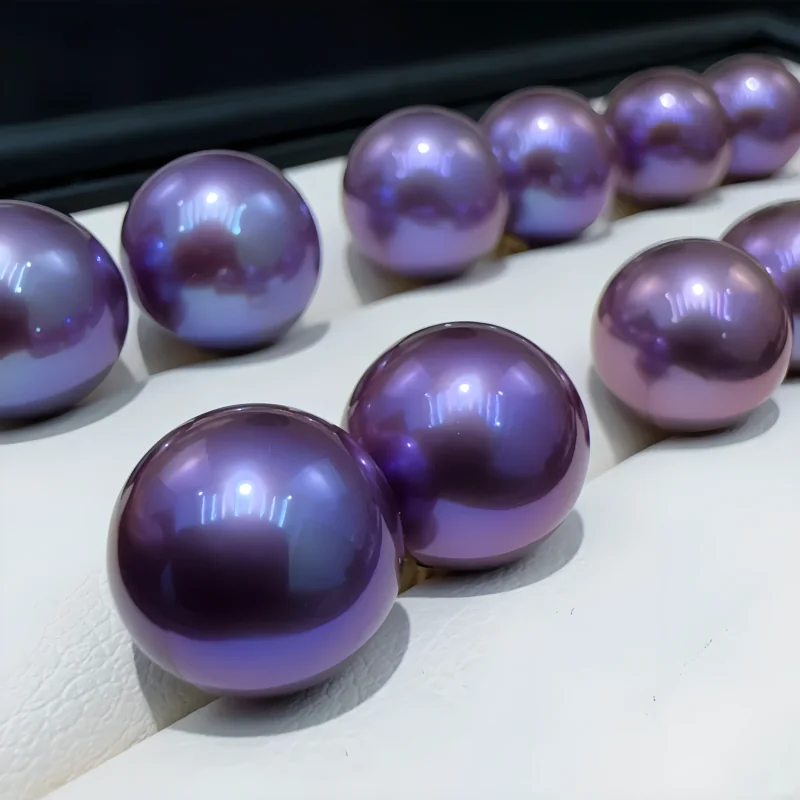
Buying pearls for the first time is confusing for a simple reason: too many different things are presented as if they were one quality scale. A larger pearl may not be better than a smaller one. An “AAA” label may not mean the same thing from two sellers. A perfectly round pearl may cost more without looking better to you. And a beautiful dark color may be natural, treated, or simply photographed under flattering light.
The safest approach is not to memorize every pearl term before you shop. It is to avoid a few decision mistakes that make comparison difficult. Start with the kind of jewelry you want, compare pearls of the same general type and size, protect luster first, and verify exactly what the seller is describing before you pay.
The Short Version: What Should a First-Time Buyer Check?
If you only remember one framework, use this order:
- Purpose: What are you buying—earrings, a pendant, a necklace, a bracelet, or a ring?
- Pearl type: Freshwater, Akoya, Tahitian, or South Sea?
- Luster: Do the pearls look bright, lively, and reflective rather than flat or chalky?
- Surface and nacre condition: Are marks minor and cosmetic, or are there cracks, peeling, or other structural concerns?
- Size and shape: Are you paying for a feature you actually want to see when the jewelry is worn?
- Color and treatment: Is the color natural to that pearl type, treated, dyed, or otherwise enhanced?
- Matching: For pairs and strands, do the pearls look harmonious together?
- Seller description: Is the grade defined? Are the photos useful? Is the metal, length, clasp, and return policy clear?
This is the same basic logic behind the MJ Pearls buying guide, but here the focus is narrower: the errors that most often make a first purchase harder than it needs to be.
Mistake 1: Starting With “What Is the Best Pearl?” Instead of “What Do I Need?”
There is no single best pearl for every buyer. A large South Sea pearl, a sharp-luster Akoya pearl, and a small high-quality freshwater pearl can all be excellent purchases for different reasons.
Before comparing grades or prices, decide what the piece needs to do. For daily stud earrings, you may care most about luster, comfortable size, secure backs, and close matching. For a pendant, one attractive pearl with an interesting drop shape may be more important than perfect roundness. For a classic strand, matching and necklace length matter much more because you are looking at dozens of pearls at once.
A first-time buyer often overspends when the shopping process begins with prestige—largest size, rarest type, highest grade—rather than use. Define the jewelry first, then decide which pearl characteristics deserve the budget.
Mistake 2: Treating “Cultured” as Another Word for Fake
This misunderstanding can derail the entire purchase. Cultured pearls are real pearls formed in mollusks after human intervention begins the pearl-growing process. Imitation pearls are manufactured products made to look like pearls. GIA explicitly describes cultured pearls as real pearls, while distinguishing them from imitation materials.
For most modern pearl jewelry, the useful question is therefore not “Is it cultured?” but “What kind of cultured pearl is it, and is it being described accurately?”
Freshwater, Akoya, Tahitian, and South Sea are different cultured-pearl categories with different typical appearances, sizes, production methods, and price ranges. If you are unsure about the basic terminology, review how to tell real and imitation pearls apart before comparing products.
Be especially cautious when a listing uses words such as “real,” “natural,” and “cultured” loosely. In pearl terminology, natural pearl has a specific meaning: a pearl formed without deliberate human initiation. It should not simply be used as a synonym for “genuine.”
Mistake 3: Comparing Different Pearl Types as If They Were the Same Product
A common online comparison looks like this: one seller offers 8 mm freshwater pearls for one price, another offers 8 mm Akoya pearls for much more, and the buyer assumes the second seller is simply charging a larger markup.
That comparison is incomplete. Pearl type changes what is normal for size, color, shape, luster character, nacre structure, rarity, matching, and price. Even within one type, a jump of 1 mm can carry a very different premium depending on the available production.
When comparing two offers, first control the variables as much as possible:
- same pearl type;
- similar size range;
- similar shape;
- similar jewelry format;
- similar metal and construction;
- similar visible quality.
Only then does the price comparison become meaningful. If the products are fundamentally different, the lower price may simply reflect a different pearl category rather than a better deal.
Mistake 4: Paying for Size Before You Protect Luster
Size is easy to understand, so beginners often focus on it first. But one extra millimeter does not automatically make a pearl look better.
GIA evaluates pearl quality through seven value factors: size, shape, color, luster, surface, nacre, and matching. Among them, luster has an unusually strong visual effect because it determines whether the pearl looks bright and alive or soft and dull.
If your budget forces a trade-off, a slightly smaller pearl with stronger luster will often have more visual presence than a larger pearl with weak reflections. This is especially true for earrings and necklaces, where the pearl is seen from normal social distance rather than under magnification.
After you have protected luster, choose the millimeter size that fits the jewelry and the look you want. The pearl size guide can help you judge what different diameters actually look like before you pay a size premium.
Mistake 5: Assuming Perfectly Round and Perfectly Clean Always Mean “Best”
Roundness and a clean surface can increase value, but they are not the only forms of beauty. Near-round, oval, drop, button, and baroque pearls can be excellent choices when the shape suits the design.
The same is true for surface marks. Cultured pearls are biological gems, so small pits, wrinkles, spots, or growth features are common. The important question is not whether a mark exists, but how visible and severe it is.
A tiny blemish hidden near a drill hole may matter very little in a finished necklace. A deep crack, peeling nacre, or damaged surface deserves much more attention because it can affect both appearance and durability.
Do not spend heavily to eliminate every microscopic imperfection if you cannot see those imperfections when the jewelry is worn. First-time buyers often get better value by accepting minor, low-visibility marks while keeping strong luster and an attractive overall appearance.
Mistake 6: Trusting AAA, AAAA, or Another Letter Grade Without Reading the Definition
Letter grades are useful only when you know what the seller means by them. Do not assume that an “AAA” pearl from Seller A is automatically equivalent to an “AAA” pearl from Seller B.
Instead of treating the grade as the conclusion, use it as the beginning of the question. Ask what the grade describes:
- How strong is the luster?
- How much of the surface is visibly clean?
- How round or symmetrical is the shape?
- How is nacre quality assessed?
- How closely are a pair or strand matched?
GIA's system is helpful because it separates pearl quality into observable factors rather than reducing everything to one retailer letter. If grading terminology is confusing, use the pearl grading guide to translate a seller's grade back into the characteristics you can actually compare.
For an expensive purchase, a laboratory report can provide useful identification or classification information, but a report and a seller's commercial grade are not the same thing. Check what the document actually verifies instead of assuming the word “certificate” proves every quality or value claim.
Mistake 7: Assuming an Unusual Color Must Be Naturally Rare
Pearls can be treated to alter or enhance their appearance. Treatment is not automatically a defect, and a dyed cultured pearl is still a cultured pearl. The buying problem is lack of disclosure.
This matters most when the color itself is a major reason for the price. Tahitian cultured pearls are known for naturally dark bodycolors, while dark freshwater pearls on the market may be dyed or otherwise color treated. Bright purples, blues, greens, and other saturated colors also deserve a clear treatment description.
Ask one direct question: Is this color natural to the pearl, or has it been treated?
The U.S. Federal Trade Commission's Jewelry Guides specifically address disclosure of cultured status, imitation pearls, and certain pearl treatments. For a practical overview of what common treatments can mean for a buyer, see the pearl treatments guide.
Mistake 8: Judging Quality From One Perfect Product Photo
Pearls are difficult to photograph. Lighting can make luster appear stronger, hide surface marks, shift overtone, or exaggerate color. A single studio image may tell you more about the lighting setup than about how the pearls look in ordinary conditions.
For an important purchase, try to see more than one view:
- a full view of the entire piece;
- a close-up of the pearl surface;
- neutral or soft daylight when possible;
- multiple angles rather than one front-facing image;
- video if color, orient, or luster is difficult to judge in still photos.
Also be careful with extreme macro photography. It can make harmless natural surface features look alarming. The useful question is how the pearl looks at the distance from which it will actually be worn.
Mistake 9: Inspecting Individual Pearls but Forgetting Matching
A necklace or pair of earrings is not judged only by the best pearl in the set. Matching matters whenever multiple pearls are intended to look coherent together.
For stud earrings, check whether the two pearls are similar in size, bodycolor, overtone, luster, shape, and surface appearance. For a strand, look at the whole necklace before zooming in. A strand can contain excellent individual pearls but still look uneven if some are much brighter, darker, rounder, or larger than the others.
Matching does not require absolute sameness. Intentionally graduated necklaces, multicolor strands, and baroque designs can use variation beautifully. What matters is whether the variation looks deliberate and harmonious rather than accidental.
Mistake 10: Buying “The Pearls” and Forgetting the Jewelry
Even beautiful pearls can become a disappointing purchase if the finished piece does not fit your life. First-time buyers sometimes spend all their attention on pearl quality and almost none on the jewelry construction.
Before checkout, confirm the details that affect daily use:
- necklace or bracelet length;
- metal type and fineness;
- clasp style and ease of use;
- earring post and back style;
- whether the piece is knotted between pearls when appropriate;
- overall weight and comfort;
- whether the item pictured is the actual piece or a representative sample.
For a first purchase, the most technically impressive pearl is not necessarily the most practical jewelry. A piece you wear often is usually a better first buy than a specification you admired only on the product page. If you are ready to compare finished pieces rather than loose specifications, browse the pearl jewelry collection by jewelry type and pearl type.
A Better Way to Compare Two Pearl Products
When two listings look similar but the prices are different, do not ask only, “Which one is cheaper?” Work through the difference in a fixed order.
| Compare | Question to Ask |
|---|---|
| Pearl type | Are these actually the same category of cultured pearl? |
| Size | Are the millimeter ranges comparable? |
| Luster | Which has brighter, sharper, more consistent reflections? |
| Surface | Are the visible marks minor, or is there meaningful damage? |
| Shape | Is one product charging a premium for roundness you actually want? |
| Color | Is the color natural, treated, and accurately represented? |
| Matching | Do the pearls look coherent across the pair or strand? |
| Construction | Are metal, clasp, length, findings, and workmanship comparable? |
| Documentation | What does the seller's grade or report actually verify? |
This method prevents one attractive specification—usually size, grade, or a rare-sounding name—from dominating the decision.
First-Time Pearl Buying Checklist Before You Pay
Before completing the order, make sure you can answer these questions:
- What pearl type am I buying?
- Is it cultured pearl jewelry or imitation pearl jewelry?
- What is the actual pearl size range in millimeters?
- How is the seller describing luster and surface quality?
- What does the seller's grade mean?
- Is the color natural or treated?
- For a pair or strand, how well are the pearls matched?
- Can I see realistic photos, close-ups, or video?
- What metal, clasp, post, chain, or findings are included?
- What exactly does any certificate or laboratory report cover?
- What is the return or exchange policy?
If several of these answers are missing, asking questions before paying is more useful than trying to guess quality from a grade label or a polished photograph.
What Should You Prioritize if Your Budget Is Limited?
For many first-time buyers, a sensible priority order is:
- Good luster. This is one of the first things people notice.
- No serious structural problems. Minor natural marks are different from cracks, peeling, or major damage.
- A wearable size. Choose proportion for the jewelry rather than chasing the largest millimeter number.
- A shape you genuinely like. Near-round or baroque can be a better value than paying a premium for perfect roundness.
- Minor surface cleanliness improvements last. Do not pay heavily to remove tiny marks you cannot see in normal wear.
The exact order can change with the design, but the main idea is stable: spend on the characteristics you can actually see and enjoy.
FAQ
What is the biggest mistake when buying pearls for the first time?
The biggest mistake is comparing one headline feature—such as size, grade, or pearl type—without comparing the rest of the product. A useful comparison keeps pearl type, size, jewelry format, and visible quality as similar as possible.
Should a beginner buy freshwater or Akoya pearls first?
Either can be a good first purchase. Freshwater pearls usually offer more flexibility in price, shape, color, and size. Akoya pearls are a strong choice when you specifically want a classic round white look with crisp luster. The better option is the one that fits your style and budget rather than a universal beginner category.
Is AAA always the best pearl grade?
AAA may be the top level in a seller's grading system, but you should read that seller's definition rather than assume every AAA label means the same thing. Compare the underlying luster, surface, shape, nacre, size, and matching.
Do I need a certificate for my first pearl purchase?
Not necessarily. For ordinary jewelry, clear product information and a trustworthy seller may be more useful than paying for laboratory documentation. A report becomes more important when identity, treatment, natural origin, or another high-value claim materially affects the price.
Are small blemishes a reason not to buy a pearl?
No. Small natural surface characteristics are common. Judge their visibility, depth, location, and whether they affect durability. Minor low-visibility marks can be a reasonable trade-off if the pearl has attractive luster and looks good when worn.
What to Remember
A good first pearl purchase does not require expert-level gemology. It requires a disciplined comparison.
Decide what you want to wear, compare like with like, protect luster before chasing size, treat letter grades as seller-specific shorthand rather than universal truth, ask about color treatment, and judge the whole piece—not just one enlarged pearl photo.
Once you use that process, pearl buying becomes much less mysterious. You are no longer asking which pearl is “best.” You are asking which pearl gives you the combination of beauty, quality, size, design, and price that makes sense for your purchase.