
Unusual Pearl Questions, Answered: What You Can, Can’t, and Shouldn’t Do With Pearls

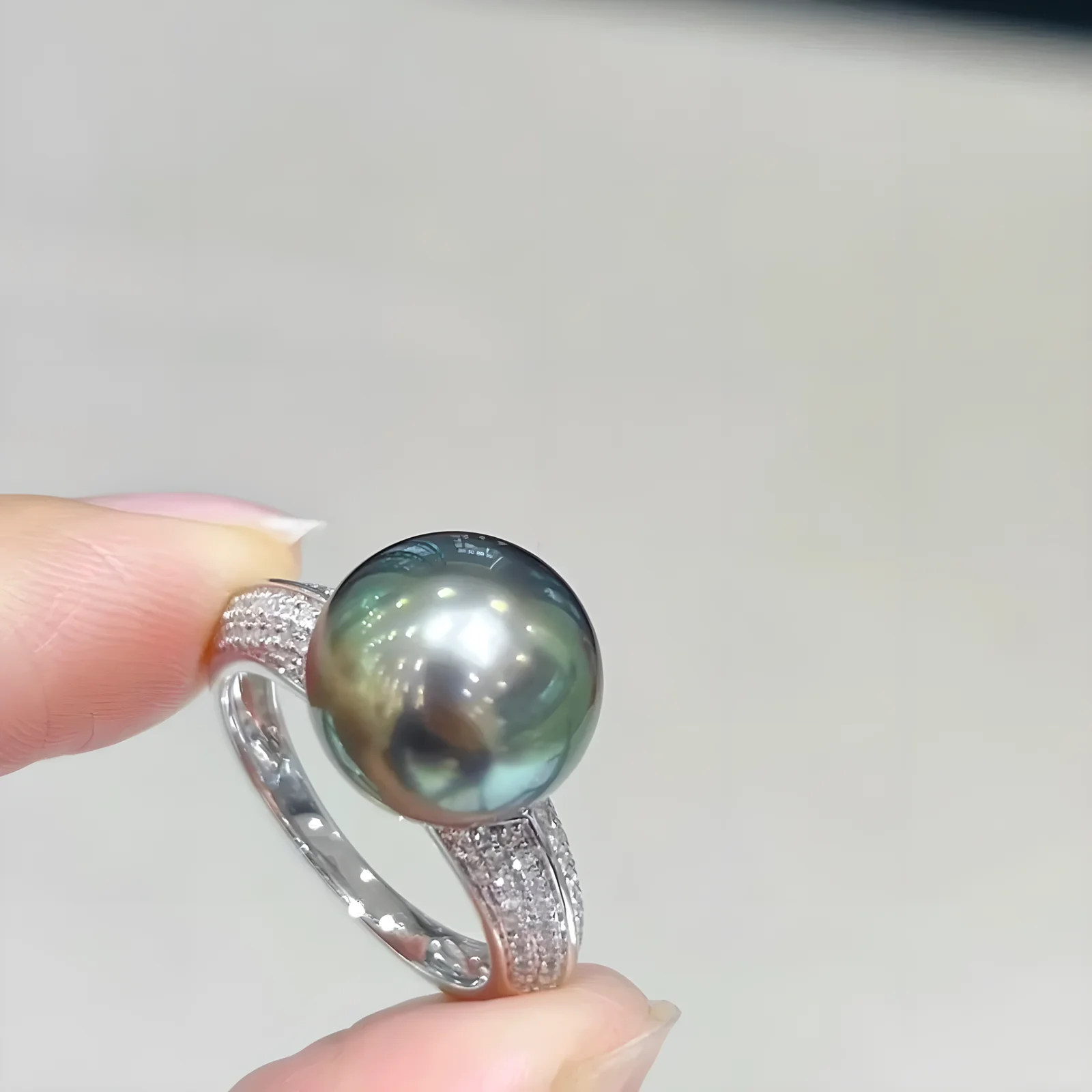
Some pearl questions sound strange at first: Can pearls be eaten? Can they melt? Should they go in the fridge? Are they lucky or unlucky?
After years of working with freshwater pearls, we’ve learned that these questions are not as random as they seem. Most of them come from the same place: buyers want to understand what pearls really are, how delicate they are, and how they should be worn, cleaned, and stored.
This guide answers some of the most unusual pearl questions we hear, but the real goal is practical. If you understand how pearls behave as a material, you can make better decisions about buying, wearing, and caring for them over time.
Contents
- What Pearls Are — and Why So Many Strange Questions Have the Same Answer
- Can Pearls Be Eaten?
- Can Pearls Be Melted?
- Can Freshwater Pearls Get Wet?
- Can Pearls Go in the Fridge?
- Do Pearls Expire, Dry Out, or Lose Their Luster?
- How Do You Clean Freshwater Pearls the Right Way?
- Can Pearls Be Worn Every Day?
- Are Pearls Lucky or Unlucky?
- Which Finger Should You Wear a Pearl Ring On?
- What You Should Never Do With Pearls
What Pearls Are — and Why So Many Strange Questions Have the Same Answer
Pearls are not metal jewelry, and they are not the same as most hard gemstones either. Their beauty depends heavily on surface condition, nacre quality, and luster. That is why pearls need a different kind of care from gold, silver, or harder stones.
This also explains why so many unusual pearl questions lead back to the same answer: pearls should be treated as delicate organic gems. Heat, chemical exposure, rough cleaning, repeated friction, and poor storage habits matter more than many buyers realize.
If you’re new to pearl buying, it also helps to understand the basics of what freshwater pearls really are and how cultured pearls differ from the myths many buyers still believe.
Can Pearls Be Eaten?
● The Short Answer: Jewelry Pearls Are Not Meant to Be Eaten
If the question is about normal pearl jewelry, the practical answer is no. A pearl used in a necklace, ring, earring, or loose jewelry lot should be treated as a gemstone, not as a food. That does not automatically mean a pearl is highly toxic by nature, but it does mean it is not manufactured, labeled, or sold as something to swallow.
● What Pearls Are Made Of
This question becomes easier to understand once you know what a pearl is made of. Pearls consist mainly of calcium carbonate, together with organic material and a small amount of water. That is one reason some people associate pearls with calcium supplements or traditional pearl powder. But composition alone does not decide whether something is suitable to eat. A gemstone and a supplement can share a mineral component without being the same kind of product.
For readers who want more gemological background, the GIA Pearl Buyer’s Guide and related GIA educational materials are useful starting points.
● Why Pearl Powder Is Different from Pearl Jewelry
This is where many articles become confusing. Some pearl powder products have a history of use in traditional medicine, and some modern products are sold as dietary supplements. Others are sold only for skincare or cosmetic use. Those are separate product categories from pearl jewelry.
In other words, “some pearl powder may be sold for oral use” does not mean “a jewelry pearl is edible.” Jewelry pearls may also be treated or processed for appearance, and they are not sold under the same logic as a food-grade or supplement-grade product. If a product is intended for oral use, it should be clearly manufactured, labeled, and sold for that purpose. If you want a regulatory reminder here, the FDA’s dietary supplement guidance makes clear that supplements are not pre-approved by FDA before they are marketed.
● What Happens If Someone Swallows a Pearl by Accident?
If someone accidentally swallows a small loose pearl, the issue is usually closer to swallowing a small smooth object than to eating a meaningful nutrient source. In many cases, a small blunt object may pass without major trouble. The concern becomes more serious if there is choking, trouble breathing, pain, drooling, repeated vomiting, or the feeling that something is stuck.
The situation also changes if the pearl was swallowed together with metal findings or part of a jewelry setting. A pearl attached to a post, pin, clasp component, or other metal piece should never be thought of as something harmless to swallow. For accidental-swallowing guidance, it is more useful to think in terms of foreign-object safety than pearl nutrition. References like the Children’s Hospital of Philadelphia Poison Control information on swallowed objects and Poison.org’s overview of swallowed foreign objects are closer to the real-life scenario.
● What If You Find a Pearl While Eating Shellfish?
Rarely, people do find pearl-like concretions or even real pearls in edible shellfish. If that happens, it is best to treat it as a hard object you happened to discover, not as part of the meal. There is no practical reason to swallow it just because it came from an oyster or clam. Most people would be better off keeping it, discarding it, or having it identified if they are curious.
This is not just hypothetical. GIA has published lab notes on pearls discovered in edible oysters, which shows that the scenario is possible even if it is uncommon: see this GIA edible-oyster pearl note and this related GIA report.
● The Practical Rule Buyers Should Remember
The simplest rule is this: pearl jewelry is for wearing, not eating. If someone is interested in ingestible pearl products, they should only consider products specifically manufactured and labeled for oral use. And if the interest is purely cosmetic, it is also worth remembering that some pearl-powder beauty products are designed for external use only, not for swallowing.

Can Pearls Be Melted?
● The Short Answer: Not in the Way People Usually Mean
If the question is whether pearls can be melted down and remade like gold or silver, the practical answer is no. Pearls are not metal. They do not behave like a recyclable casting material, and they are not something a jeweler can simply heat, liquefy, and reshape into a new pearl item.
● What Pearls Are Made Of
This is easier to understand once you know what a pearl actually is. Pearls are made mainly of calcium carbonate, together with organic material called conchiolin and a small amount of water. Their beauty depends on nacre structure, surface condition, and luster—not on the kind of solid structure that allows metal to be melted and recast.
For gemological background, see the GIA Pearl Buyer’s Guide and GIA research discussing pearl composition.
● What Heat Actually Does to Pearls
In real life, heat is much more likely to damage a pearl than to do anything useful. Excessive heat can dry pearls out, reduce their luster, and contribute to cracking or discoloration. That is why pearls are usually kept away from steam cleaners, prolonged heat exposure, and harsh repair conditions.
GIA’s jewelry care guidance specifically notes that heat can remove the natural moisture pearls need to keep their beauty, and its pearl care materials also advise against ultrasonic or steam cleaning. See GIA’s tips on caring for jewelry and this GIA pearl care guide.
● Why Pearls Cannot Be “Melted Down” Like Metal Jewelry
When people ask this question, they are often thinking in metal-jewelry terms: if a ring is old or damaged, why not just melt the material and reuse it? That logic works for precious metals, but not for pearls. A pearl’s value is tied to its intact nacre, shape, surface quality, and luster. Once those are damaged by heat, you do not get a reusable liquid pearl—you get a damaged organic gem.
● What Happens at Very High Temperatures?
At a chemistry level, the story is still not “pearls melt into something useful.” Calcium carbonate is known to decompose when strongly heated, producing calcium oxide and carbon dioxide. So even from a materials perspective, extreme heating pushes a pearl toward breakdown, not toward a practical jewelry-making process.
If you want the chemistry reference, LibreTexts provides a clear explanation of calcium carbonate decomposition here: Thermochemical Equations: Calcium Carbonate Decomposition.
● What About Pearl Treatments That Use Heat?
This is where some readers get confused. In the pearl trade, certain treatments may involve controlled use of heat, light, or chemicals under professional conditions. But that does not mean pearls are “safe to melt,” or that home heating can improve them. It only means that treatment is a specialized process, not a do-it-yourself repair method.
● The Practical Rule Buyers Should Remember
The simplest rule is this: pearls are not a melt-and-remake material. If a pearl is damaged, the realistic options are careful cleaning, restringing, resetting, replacement, or professional evaluation—not heating it in the hope of restoring or recycling it.
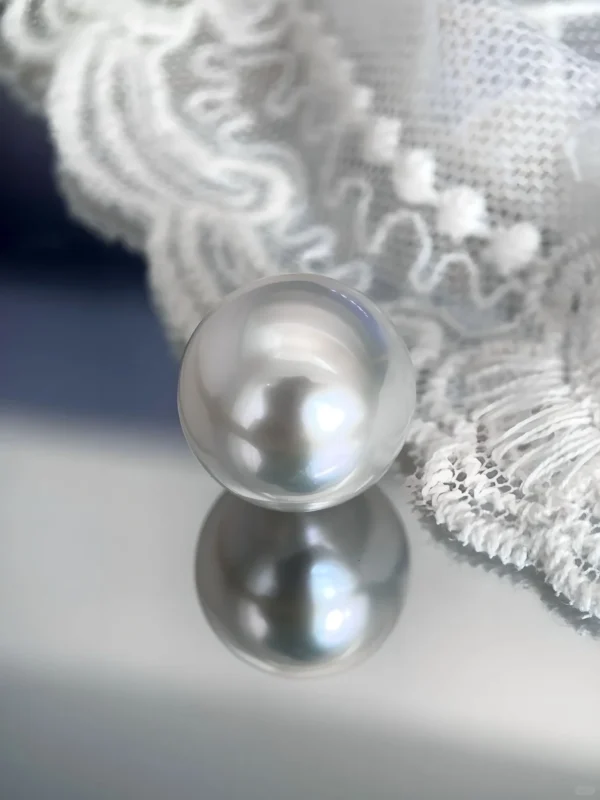
Can Freshwater Pearls Get Wet?
● The Short Answer: Yes, but They Should Not Stay Wet for Long
Freshwater pearls can handle brief contact with clean water, so a little rain, hand-washing splash, or quick rinse is not usually the real problem. The bigger issue is prolonged moisture, repeated exposure, and everything that comes with the water—such as sweat, soap residue, chlorine, heat, and poor drying habits.
● Why Water Is Not the Same as Water Damage
This question often sounds more absolute than it really is. Pearls are organic gems, not sugar cubes that dissolve on contact. A short encounter with clean water is usually very different from soaking pearls, leaving them damp in a closed box, or wearing them in a hot shower, swimming pool, or heavy-sweat setting. In other words, “pearls can get wet” does not mean “pearls do well in wet conditions.”
● What Water Actually Affects in Pearl Jewelry
Water does not just touch the pearl surface. It also affects the thread, knots, glue, and metal findings in jewelry. GIA notes that pearl strands should be laid flat to dry after cleaning because wet silk thread can stretch and attract dirt. That is one reason occasional moisture is manageable, but soaking and repeated wet wear are not ideal. See GIA’s jewelry care tips.
● What Kinds of Water Exposure Are Usually Low Risk?
Brief contact with clean water is generally the least concerning situation. For example, if pearl earrings are exposed to a light splash and then wiped dry, that is very different from wearing a pearl necklace in the shower every day. The key is whether the pearls are cleaned and dried properly afterward.
● What Kinds of Wet Conditions Are More Harmful?
The more damaging situations are usually not about plain water alone. They involve residue, heat, or long exposure. Common examples include:
- hot showers and baths
- chlorinated pool water
- soap, shampoo, and skincare buildup
- heavy perspiration left on the surface
- soaking pearl strands or leaving them damp for too long
GIA advises cleaning pearls only with mild soap and water and specifically warns against harsh cleaning conditions such as steam or ultrasonic cleaning. MIKIMOTO also notes that perspiration can harm pearl lustre and recommends wiping pearls gently with a soft cloth before putting them away. See this GIA pearl care guide and MIKIMOTO’s pearl care page.
● What Should You Do If Freshwater Pearls Get Wet?
If your pearls get wet, do not panic. The practical response is simple:
- Gently wipe them with a soft, clean cloth.
- If the piece is a strand, let it dry fully before storing it.
- Do not use heat to speed up drying.
- Do not put damp pearls straight back into a tightly closed jewelry box or pouch.
The goal is not to “sterilize” or over-clean pearls. The goal is to remove residue and prevent moisture from lingering where it can weaken thread or dull the surface.
● Does This Mean You Should Avoid Wearing Pearls Every Day?
Not necessarily. It means pearls should be worn with awareness. Freshwater pearl earrings and pendants are usually easier to manage in daily life because they are less exposed to water, friction, and hand contact than rings or bracelets. Daily wear is possible—but regular wiping, sensible storage, and avoiding wet or chemical-heavy situations make a real difference.
● The Practical Rule Buyers Should Remember
The simplest rule is this: freshwater pearls can survive brief contact with water, but they should not be treated as shower jewelry, swim jewelry, or soak-proof jewelry. Clean water is one thing; repeated moisture, sweat, heat, and chemical residue are another. If pearls get wet, wipe them dry and let them recover in a clean, stable environment.
Can Pearls Go in the Fridge?
They do not need to, and it is not a good storage habit.
People sometimes ask this because pearls are natural in origin and seem more “alive” than metal jewelry. That can create the false idea that they need refrigeration, like skincare or food. They do not.
A fridge is not a proper jewelry storage environment. Temperature shifts, condensation, moisture, and the general food-storage setting are not ideal for pearls. Pearls do better in a clean, stable environment away from direct heat, harsh dryness, and harder jewelry that could scratch them.
In other words, pearls do not need to be chilled. They need to be stored sensibly.
Do Pearls Expire, Dry Out, or Lose Their Luster?
Not like food, but yes, pearls can look older, duller, or more tired over time if they are not cared for properly.
● Do pearls expire?
Pearls do not “expire” the way a consumable product does. There is no fixed date after which a pearl suddenly becomes unusable. But pearls can age poorly if they are repeatedly exposed to harsh conditions or neglected for long periods.
That is why two pearl pieces of similar age can look very different. The difference is often not age alone, but storage, wear habits, surface damage, and overall care.
● Can pearls dry out?
When people say pearls “dry out,” they are usually describing a visible change in surface condition rather than something literal like dried food. Pearls can lose some of their appeal if they are exposed to heat, overly harsh environments, chemical residue, or long-term poor storage.
The main point is not to obsess over the phrase itself. The real takeaway is that pearls respond to their environment, and bad conditions can gradually affect how they look.
● Can pearls lose their luster?
Yes. This is one of the most practical concerns pearl buyers should understand.
Pearl luster depends heavily on surface quality. Residue from skin products, sweat buildup, rough contact, abrasives, and normal wear can all make pearls look less lively over time. Sometimes the issue is superficial and can be improved with proper cleaning. Sometimes the nacre itself has been worn or damaged, which is much harder to correct.
● Can luster be restored?
Sometimes, but not always.
If pearls look dull because of surface residue or light buildup, gentle cleaning may help. But if the surface has been worn down, scratched, or damaged, no cleaning trick will truly return the pearl to a like-new condition. This is why conservative care matters so much. With pearls, prevention is usually more effective than repair.
For a deeper explanation of long-term appearance changes, you can also read our guide on why pearls lose their color and luster over time.
How Do You Clean Freshwater Pearls the Right Way?
The best approach is simple and gentle.
Most freshwater pearls do not need aggressive cleaning. In fact, over-cleaning is often worse than light residue. A good routine is usually enough:
- Wipe pearls gently with a soft, clean cloth after wearing them.
- If needed, use a slightly damp cloth, not a soaking wet one.
- Avoid harsh jewelry cleaners, toothpaste, abrasive cloths, strong detergents, and experimental home remedies.
- Let the pearls dry fully before storing them.
- Keep them separate from harder jewelry that could scratch the surface.
The goal is not to force pearls to look “extra shiny.” The goal is to preserve the luster they already have.
If you are buying pearls for regular wear, it also helps to choose styles that suit your routine. Our freshwater pearl necklaces and freshwater pearl earrings are generally easier to maintain than high-contact styles like rings and bracelets.
Can Pearls Be Worn Every Day?
Yes, but with realistic expectations.
Pearls are often described as delicate, and that can make buyers assume they are only for special occasions. That is too simplistic. Pearls can absolutely be part of regular wear. The key is understanding which kinds of pearl jewelry face more risk.
Pearl earrings and pendants are usually easier for everyday wear because they are less exposed to impact and abrasion. Pearl rings and bracelets tend to face more friction, more hand contact, and more accidental knocks. That does not make them impractical, but it does mean they need more awareness.
The best daily-wear mindset is not “pearls are too fragile” or “pearls can handle anything.” It is this: pearls can be worn often when they are chosen well and treated thoughtfully.
Are Pearls Lucky or Unlucky?
That depends more on culture and personal belief than on the pearl itself.
Pearls have carried many meanings across different times and places. Some people associate them with purity, calmness, wisdom, femininity, or protection. Others connect them with tears or emotional symbolism and see them as less suitable in certain contexts.
There is no universal answer. Pearls are not inherently lucky or unlucky in any objective sense. For most buyers, this question matters less than design, craftsmanship, quality, and personal meaning. If a pearl piece feels right for the wearer, that usually matters more than inherited superstition.
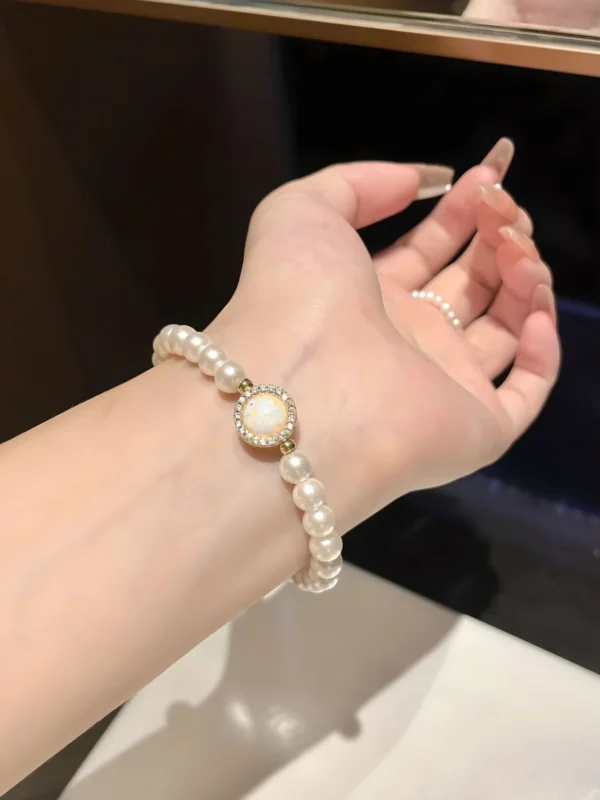
Which Finger Should You Wear a Pearl Ring On?
There is no single correct answer.
In real life, the most important factors are fit, comfort, daily use, and how well the setting protects the pearl. If a ring is worn on a finger that takes constant impact, the pearl may simply face more wear. That matters more than any fixed symbolic rule.
Some people enjoy assigning meaning to different fingers, and there is nothing wrong with that. But for a pearl ring, practicality should come first. A beautiful ring should also be wearable, stable, and suited to how the owner actually uses their hands.
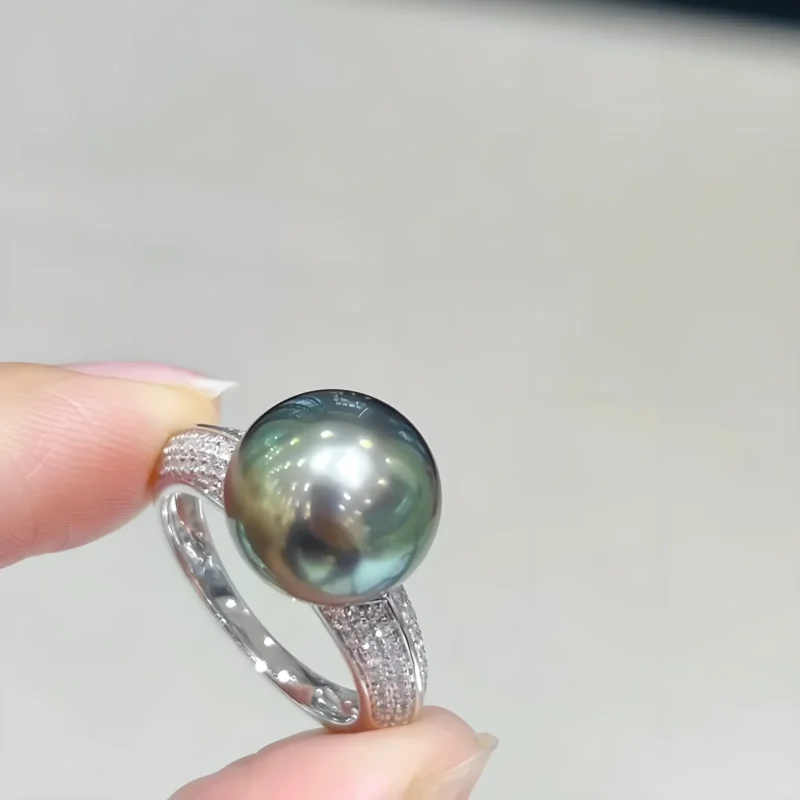
What You Should Never Do With Pearls
If you want one simple summary, it is this: do not treat pearls like indestructible jewelry.
- Do not spray perfume directly onto pearls.
- Do not soak pearls in harsh cleaners.
- Do not scrub them with toothpaste or abrasive materials.
- Do not store them against harder jewelry.
- Do not expose them repeatedly to heat, residue, and chemical products.
- Do not assume damaged pearls can be “fixed” the way metal jewelry can.
The Real Lesson Behind These Unusual Pearl Questions
Strange pearl questions usually come from a practical uncertainty, not from ignorance. People ask them because they are trying to understand what pearls can handle, how long they last, and what makes them different from other jewelry materials.
That is exactly why these questions matter.
A good pearl buyer does not need to memorize myths or follow random care hacks. What really helps is understanding a few core truths: pearls are sensitive to surface damage, they reward gentle care, and they should be stored and worn with realistic expectations.
For us, that is the real value of answering unusual pearl questions. They are often the fastest way to explain what pearls are, what they are not, and how to enjoy them properly over time.