
Why Are Freshwater Pearls So Cheap?

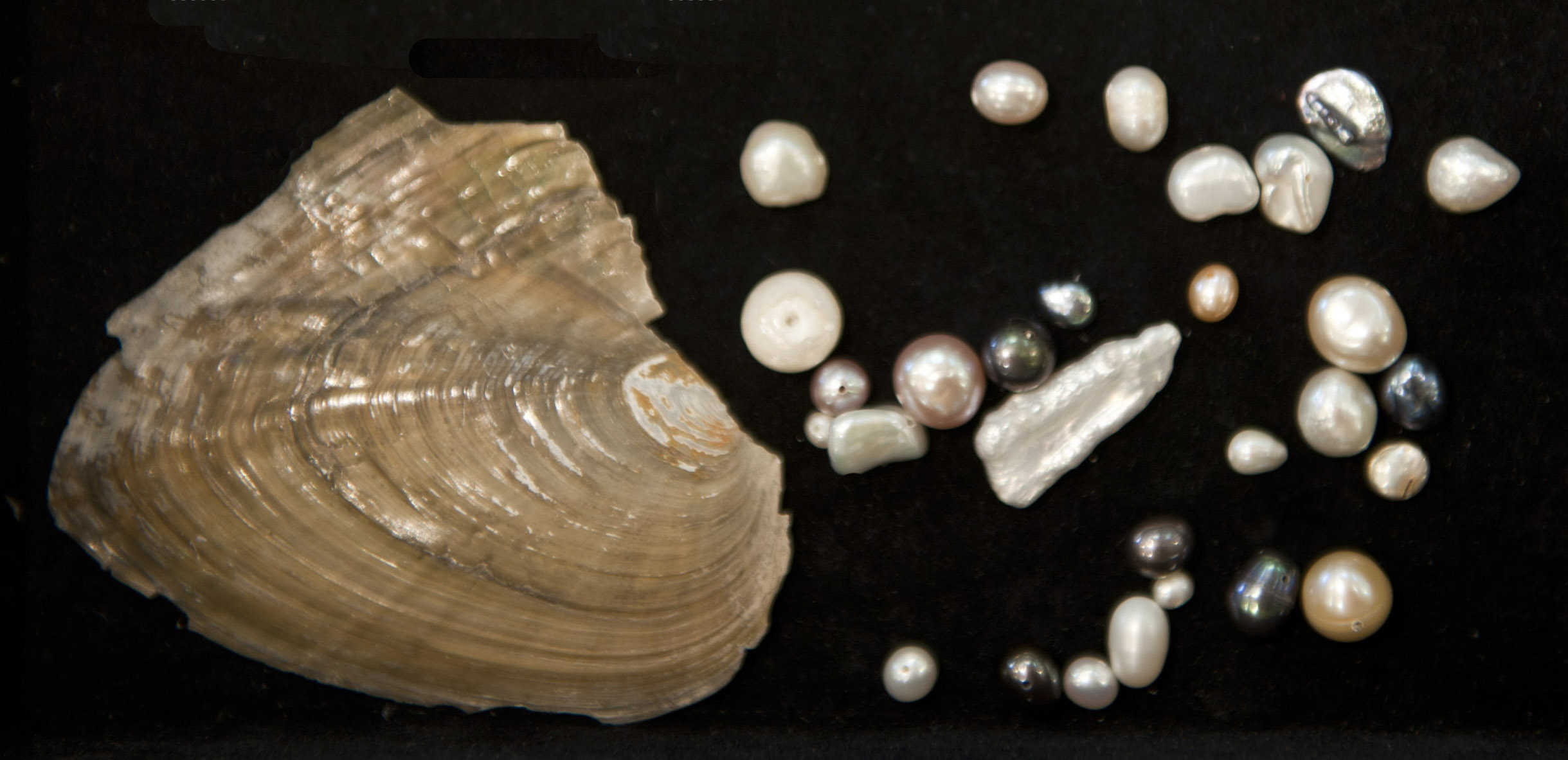
Freshwater pearls are often more affordable than many saltwater pearls, but that does not mean they are fake or automatically low quality. In fact, GIA explains that cultured pearls are real pearls. The lower price of many freshwater pearls is usually the result of production scale, broader supply, and a much wider range of shapes and commercial grades.
If you have ever wondered whether “cheap” means “bad,” this is the key idea to remember: freshwater pearls are affordable because the category is broad and efficient, not because the category is fake. Some freshwater pearls are inexpensive because they are small, off-round, lightly blemished, or loosely matched. Others are fine, high-luster pearls that can still command meaningful prices.
Contents
- Why freshwater pearls cost less
- Are freshwater pearls low quality?
- What makes some freshwater pearls more expensive?
- How to choose freshwater pearls wisely
Why Freshwater Pearls Cost Less Than Many Saltwater Pearls
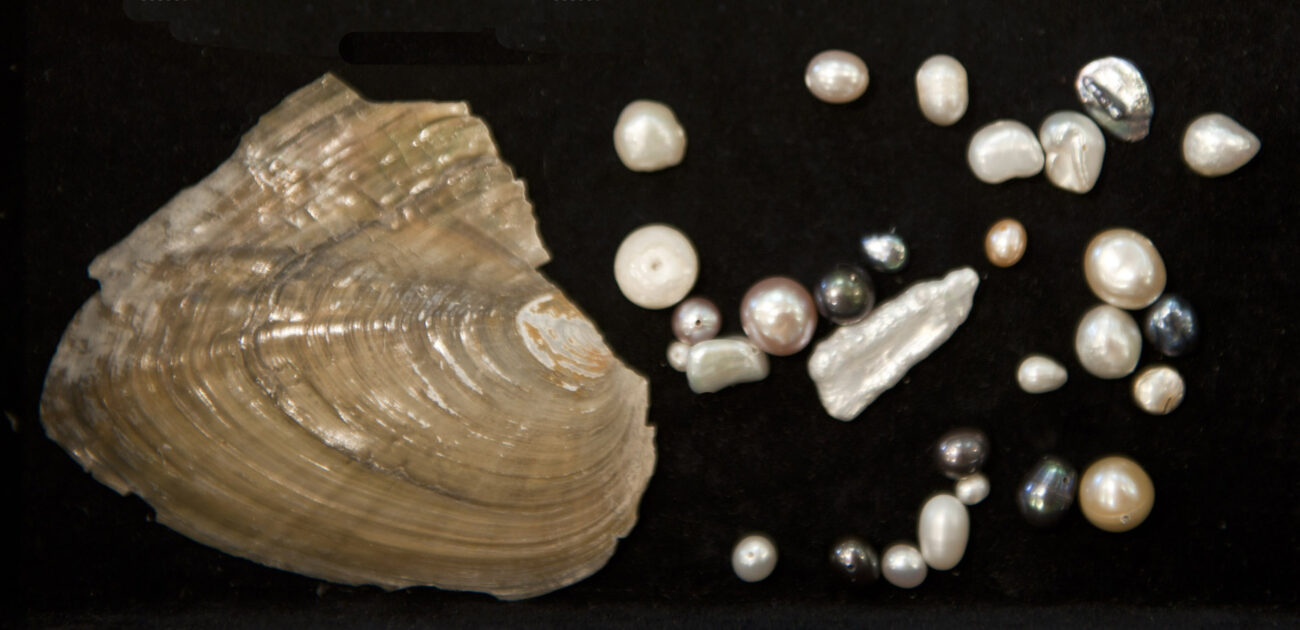
The short answer is simple: freshwater pearls are usually cheaper because more of them can be produced and sold across a broader market. According to GIA’s Pearl Buyer’s Guide, freshwater cultured pearls are among the jewelry world’s biggest bargains because production is so large, and one reason they are plentiful is that each mollusk can produce dozens of pearls.
That production reality changes the economics of the category. When more pearls come from one host, and when the market can absorb a wide range of sizes, shapes, and grades, the cost per pearl can fall significantly. This is one of the main reasons so many buyers first encounter freshwater pearls at accessible prices.
Another important reason is that freshwater pearls are sold across a much broader commercial spread. The category includes everything from simple off-round commercial pearls to cleaner, finer, better-matched strands. That broad spread matters. Many inexpensive freshwater pearls are real pearls, but they are not competing with top akoya strands, premium South Sea pearls, or carefully matched fine jewelry lines.
There is also a comparison problem in the way people think about pearls. Buyers often compare an average freshwater strand to a premium saltwater strand and then conclude that freshwater pearls are “cheap.” But those are usually not equivalent quality tiers. In practice, the comparison is often between a broader commercial category and a more selective luxury segment.
GIA’s cultured pearl overview also notes that freshwater cultured pearls are the most commonly produced pearls and are popular because of their remarkable range of sizes, shapes, and colors, along with their commercial availability at lower price points. That lower price point is part of why freshwater pearls are so widely used in fashion jewelry, gift jewelry, and design-led pieces.
So when people ask why freshwater pearls are cheap, the real answer is not “because they are bad.” The better answer is: because many freshwater pearls are abundant, commercially accessible, and sold in many more grades and shapes than buyers realize.
Are Freshwater Pearls Low Quality?
No—not automatically.
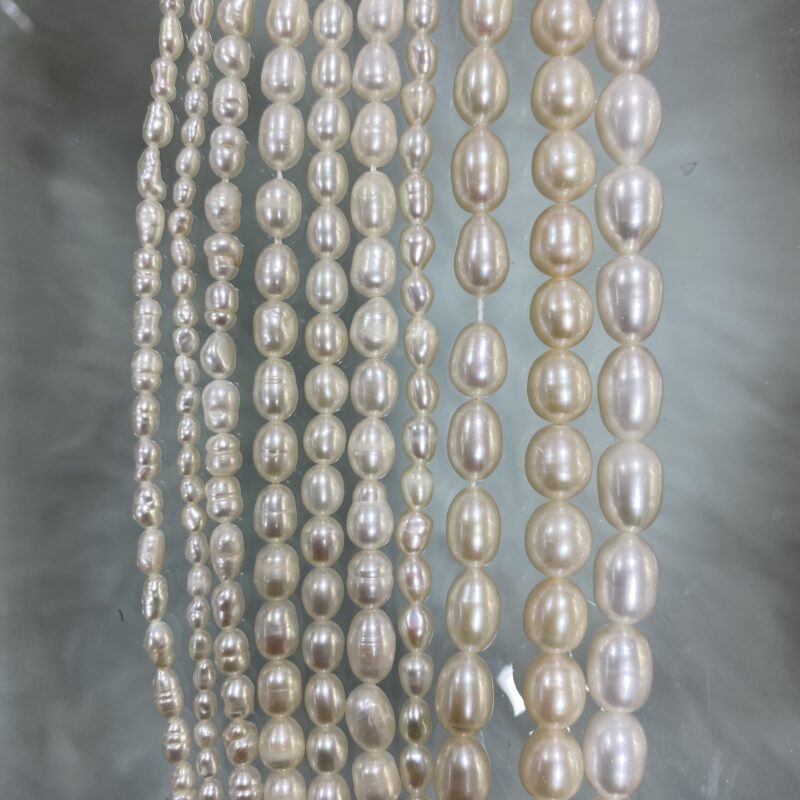
“Freshwater” describes a pearl category, not a quality grade. That distinction is essential. A freshwater pearl can be inexpensive because it has weak luster, visible blemishes, irregular shape, smaller size, or inconsistent matching. But another freshwater pearl can be much more valuable because it performs well across those same quality factors.
This is where many articles oversimplify the issue. The truth is not that freshwater pearls are low quality. The truth is that freshwater pearls cover an unusually wide range of quality. The market includes low-cost commercial goods, but it also includes beautiful pearls with strong luster, attractive natural color, cleaner surfaces, and careful matching.
That is why “cheap” should never be treated as a synonym for “fake” or even for “poor.” It usually means you are looking at a lower commercial tier within a very broad category. Once buyers understand that, freshwater pearl pricing becomes much easier to read.
What Makes Some Freshwater Pearls More Expensive Than Others?
If you want to explain pearl pricing honestly, this is the most important part of the article. The real value of a pearl is not determined by one label alone. It is determined by the visible and structural qualities that make one pearl more beautiful, rarer, or more difficult to match than another.
GIA’s Pearl Quality Factors identify seven key value factors: size, shape, color, luster, surface quality, nacre, and matching. For everyday buying decisions, the following are often the most practical to notice first:
Luster
Luster is often the first thing that separates a cheap-looking pearl from a fine one. Pearls with stronger luster show sharper, brighter reflections and usually appear more alive. Even before a buyer understands grading language, they can often see the difference between a dull strand and a bright, crisp one.
Surface Quality
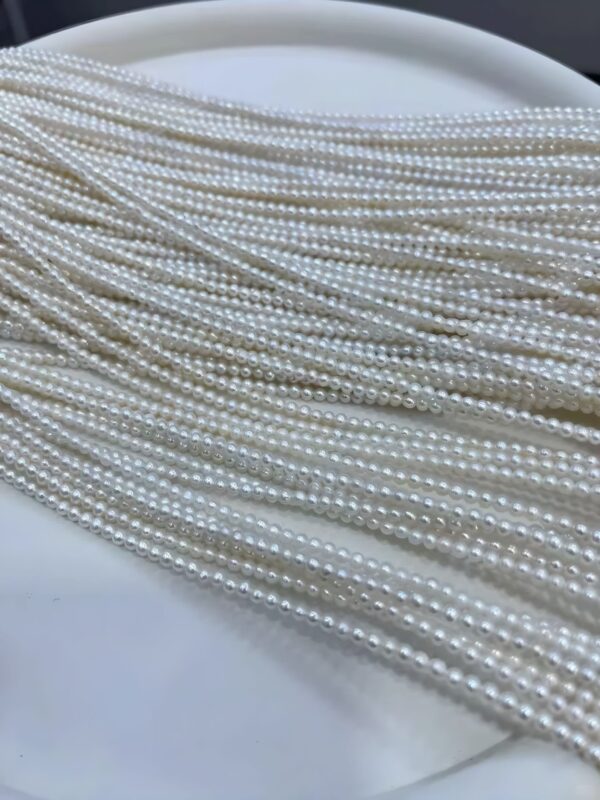
Some surface marks are normal in real pearls, but heavy spotting, pits, wrinkles, or distracting blemishes can reduce value. Cleaner pearls usually require more careful sorting, and that tends to raise the price.
Shape and Roundness
Perfectly round pearls are rarer and usually more valuable when other factors are equal. This is why many budget-friendly freshwater pearls are oval, potato-shaped, button-like, or baroque. That does not make them unattractive—many baroque pearls are especially beautiful—but it does mean they often belong to a more accessible price tier unless the shape itself is unusually desirable.
Size
Larger pearls are generally harder to match and, when quality is maintained, more valuable than smaller pearls of the same type. Within freshwater pearls alone, size can create very large price differences.
Matching
Matching matters especially in strands, pairs, and sets. A strand with uniform pearls in luster, shape, size, body color, and surface quality requires more sorting work than a loosely matched commercial strand. That labor and selectivity show up in the price.
Nacre and Overall Presentation
Nacre affects both appearance and durability. In real-world buying, customers may not use the word “nacre” first, but they notice the result: some pearls look richer, smoother, and more substantial than others. Better overall presentation usually reflects better material and better sorting.
Why Cheap Freshwater Pearls Can Still Be a Good Buy
Affordable does not automatically mean poor value. In fact, freshwater pearls can be one of the best buys in jewelry when the buyer understands what they are looking at.
For everyday wear, gift jewelry, fashion-led design, and many creative pearl styles, freshwater pearls offer a balance that is hard to match: they are real pearls, available in many shapes and colors, and often accessible at a lower entry price than more prestige-driven categories. That is exactly why they are so widely used by designers and why so many pearl lovers begin with freshwater strands.
Sometimes a beautiful freshwater pearl gives more visible beauty for the budget than a mediocre pearl from a more famous category. So the goal should not be to ask, “Is freshwater cheap?” The better question is, “What quality am I getting for this price?”
How to Choose Freshwater Pearls Wisely
If you are shopping for freshwater pearls, do not stop at the word freshwater. Use a simple quality-first checklist instead:
- Check luster first. Strong reflections usually make the biggest visual difference.
- Look at the surface closely. Minor natural marks are normal, but heavy blemishes reduce value.
- Be realistic about shape. Off-round pearls can still be beautiful and may offer excellent value.
- Notice matching. In strands and earrings, better matching usually means more sorting and a higher price.
- Compare within the same tier. Do not compare a commercial freshwater strand to a top luxury saltwater necklace and assume the category itself is the problem.
Once you begin judging freshwater pearls by luster, surface, shape, size, nacre, and matching, the price structure starts to make sense. Some pearls are cheap because they are abundant and commercial. Others are more expensive because they are genuinely finer.
Final Takeaway
So, why are freshwater pearls so cheap?
Because many of them are produced in large quantities, sold across a broad range of grades and shapes, and brought to market at lower commercial price points. That does not mean they are fake, and it does not mean all freshwater pearls are low quality.
The better way to understand the category is this: freshwater pearls are affordable when they are abundant, lower-grade, irregular, or loosely matched; they become more valuable when they show stronger luster, cleaner surfaces, better shape, larger size, and careful matching.
Once you understand that, freshwater pearls stop looking “cheap” in the negative sense. Instead, they start to look like what they often are: one of the most flexible and value-rich categories in the pearl world.
FAQ
Are freshwater pearls real pearls?
Yes. Freshwater cultured pearls are real pearls. “Cultured” means they are grown with human assistance in pearl farming, not that they are fake.
Are freshwater pearls cheaper because they are low quality?
Not necessarily. They are often cheaper because the category has large production and a very wide range of commercial grades. Quality still depends on luster, surface, shape, size, nacre, and matching.
Why are freshwater pearls cheaper than akoya pearls?
Freshwater pearls are often more abundant and sold across broader price tiers, while akoya pearls are more strongly associated with high-luster, round white classic jewelry standards. Many comparisons are really comparisons between different market tiers.
Are cheap freshwater pearls worth buying?
Yes, if the quality is appropriate for the price and the design purpose. For daily wear, fashion jewelry, and many gift or design applications, affordable freshwater pearls can offer excellent value.
What should I look for when buying freshwater pearls?
Start with luster, then check surface quality, shape, size, nacre, and matching. Those factors explain far more than the word “freshwater” alone ever will.