
The Easiest 6 Ways to Spot Real vs Fake Pearls (No Tests Needed)

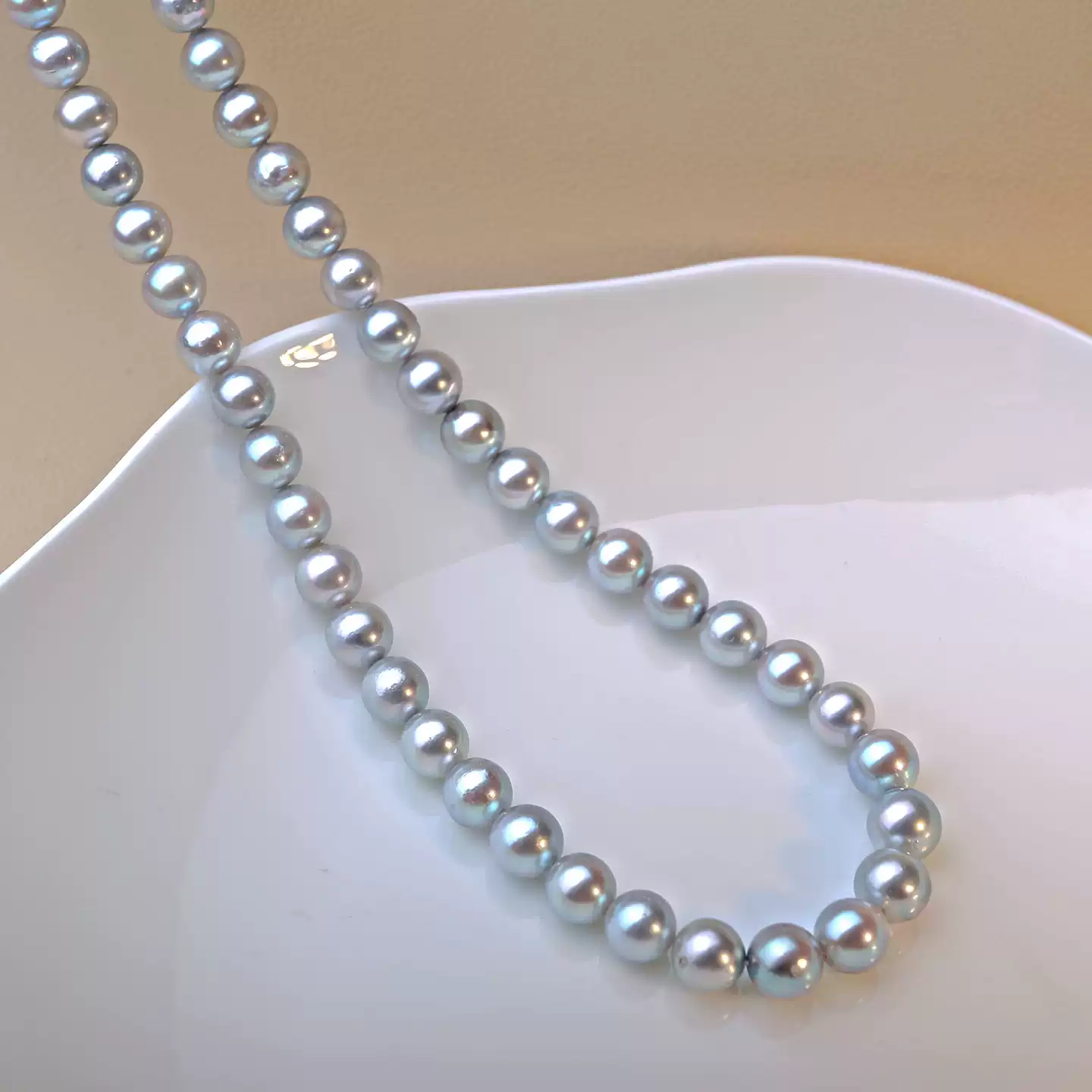
Here’s the key idea to remember:
Real pearls feel “alive.” Fake pearls often look like “perfect plastic.”
Use these 6 quick checks—just your eyes and common sense.
1. Look for depth in the shine
Real pearls usually glow with soft, layered luster,
like the light is coming from within.
Fake pearls often look flat and overly glossy,
like a shiny coating on the surface.
2. Check for tiny natural flaws
Most real pearls have small growth marks, subtle texture, or slight unevenness.
If a strand looks too flawless and identical,
as if every pearl was cloned, be cautious.
3. Watch the “too-perfect uniformity”
Even high-quality real pearls will show minor differences
in size, roundness, or surface character.
Fake pearls are easier to mass-produce
with unnaturally perfect matching.
4. Inspect the drill holes
This is one of the best no-test clues:
Real pearls often show fine layering or a soft, natural edge around the hole.
Fake coated pearls may show:
- chipping
- peeling
- a different base color
- holes that look too smooth and plastic-like
5. Use weight + feel as a supporting clue
Real pearls often feel slightly heavier and more solid for their size.
Many fakes (especially plastic-based)
can feel light or “hollow”.
This isn’t perfect on its own—but it helps.
6. Do a quick price + logic check
This is the most underrated test:
If someone offers:
“Large, perfectly round, flawless, rare-color pearls”
at a bargain price…
that’s almost never realistic.
Also watch for vague marketing
that only says “mirror shine, zero flaws, all perfectly identical”
without a clear explanation of quality, origin, or type.
The simple combo rule
You’re in a good place if you see:
**layered luster
- natural tiny imperfections
- clean, believable drill holes
- not-too-perfect matching
- a price that makes sense**
One clue alone isn’t enough.
A cluster of clues is what protects you.
Friendly final tip
For casual, everyday jewelry,
these checks will filter out most obvious fakes.
But for high-ticket or gift-level pieces,
the safest move is still:
buy from a trusted seller with clear specs and get verification if needed.
You don’t need to be an expert—
just use this 6-step scan
and you’ll avoid the biggest traps.