
Freshwater Pearls vs Cultured Pearls: Why This Is the Wrong Comparison

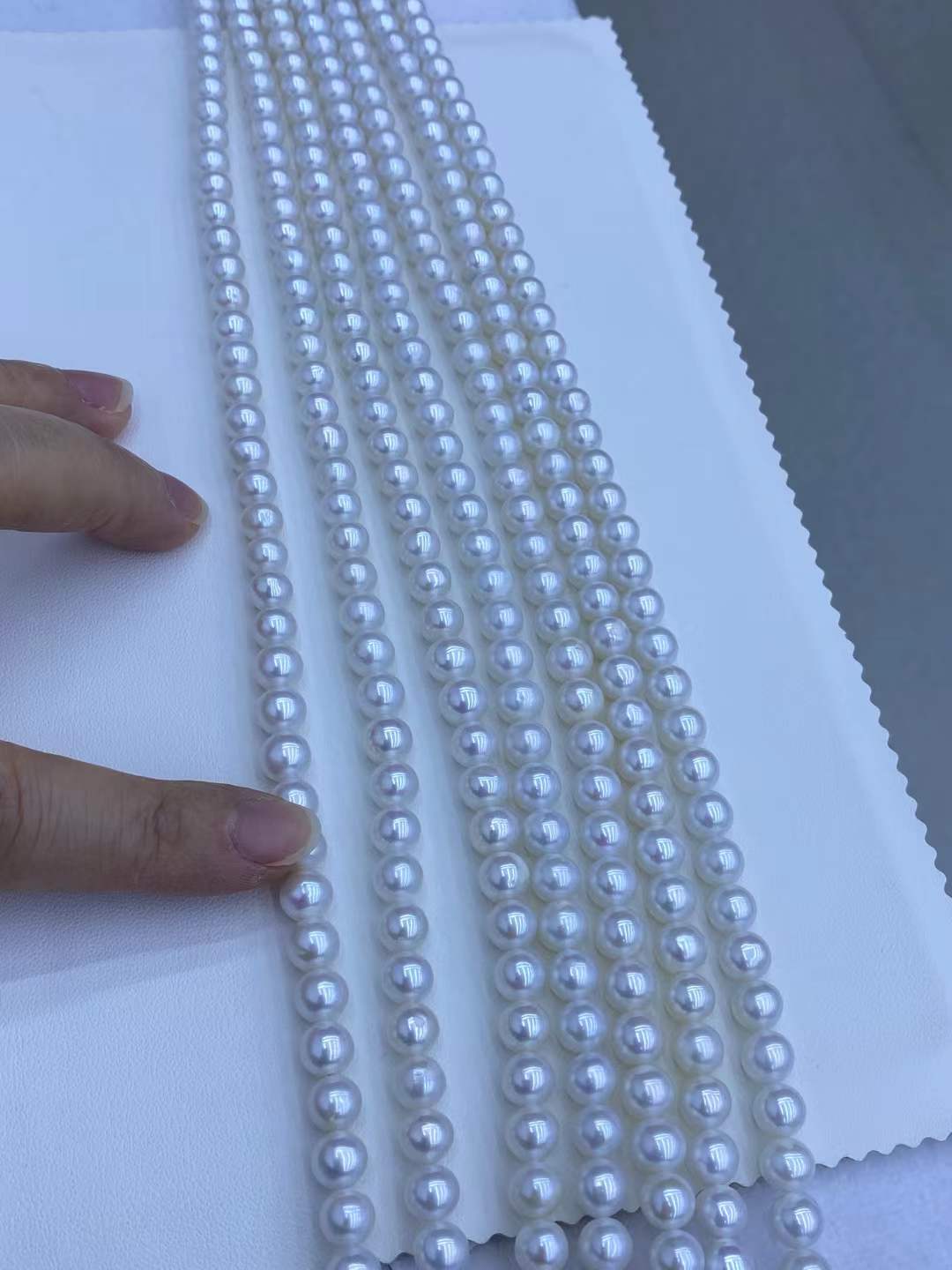
Many shoppers search for freshwater pearls vs cultured pearls as if they are choosing between two separate kinds of pearls. But that comparison is flawed from the start. Freshwater tells you where a pearl grew. Cultured tells you how it formed. These are not opposite categories, which means a pearl can be both at the same time.
In fact, that is exactly what most modern freshwater pearls are: cultured freshwater pearls. As GIA’s pearl guide explains, freshwater cultured pearls are one of the major types of cultured pearls. So if you are trying to understand a pearl label, the better question is usually not “freshwater or cultured?” but either freshwater vs saltwater pearls or natural vs cultured pearls.
Why “Freshwater vs Cultured” Is the Wrong Comparison
The easiest way to understand this is to separate pearl terminology into two different axes.
Axis one: water origin
Freshwater or saltwater
Axis two: formation method
Natural or cultured
Once you look at pearl terms this way, the confusion disappears. “Freshwater” belongs to the first axis. “Cultured” belongs to the second. They describe different things, so they should not be treated like direct competitors.
It is similar to asking “round vs gold” in jewelry. One word describes shape. The other describes material. Both may appear in a product description, but they are not alternatives. In the same way, freshwater vs cultured pearls mixes two different classification systems into one misleading comparison.
What Is a Cultured Freshwater Pearl?
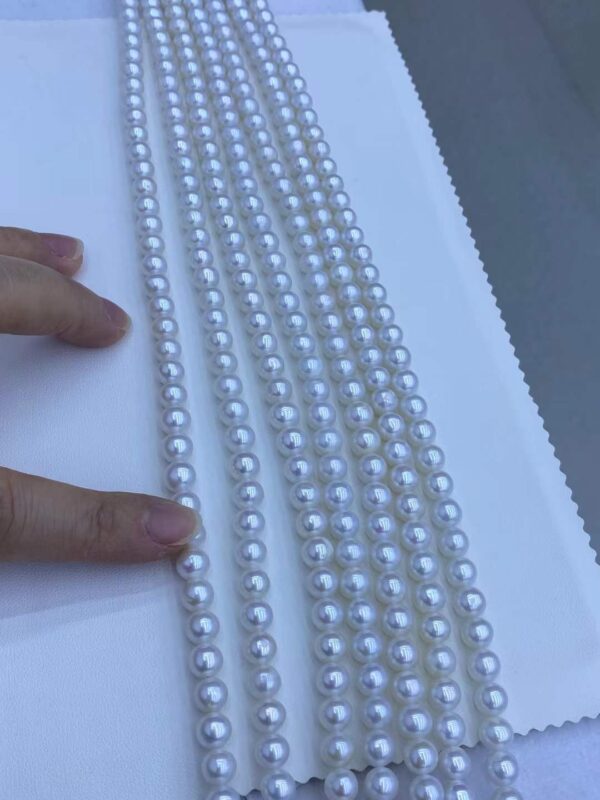
A cultured freshwater pearl is a real pearl formed inside a freshwater mollusk with human assistance. That means it is both freshwater and cultured at the same time. This is the normal wording behind most freshwater pearl jewelry on the market today.
Just as importantly, cultured does not mean fake. According to GIA’s explanation of cultured pearls, cultured pearls are real pearls. They are different from imitation pearls, which are made from other materials and only designed to look like pearls.
This is where many buyers get stuck. They see “cultured” and assume it means artificial or less real. In pearl terminology, that is incorrect. A cultured pearl is still produced by a mollusk. The difference is that people help start or manage the process instead of waiting for a pearl to form naturally in the wild.
Why This Confusion Is So Common
The confusion usually comes from how pearl products are labeled in everyday shopping language. A store may say “freshwater pearl necklace” on one page and “cultured pearl earrings” on another. To a casual reader, that can look like two separate categories. But in reality, one label may emphasize origin while the other emphasizes formation method.
That is also why accurate terminology matters. The FTC Jewelry Guides treat terms such as cultured pearl, natural pearl, and imitation pearl as meaningful distinctions, not decorative marketing language. In other words, these words are supposed to clarify what a pearl is, not blur the meaning.
The Comparisons That Actually Make Sense
1. Freshwater vs Saltwater Pearls
This comparison makes sense because both terms describe the pearl’s growth environment. You are comparing one water origin to another on the same axis. If a buyer wants to discuss source, common appearance ranges, availability, or general price positioning, freshwater vs saltwater pearls is the correct framework.
That still does not mean one is automatically better than the other. It simply means this is a fair comparison. You are judging two categories that answer the same kind of question: where did the pearl grow?
2. Natural vs Cultured Pearls
This comparison also makes sense because both terms describe how the pearl formed. As GIA explains, natural pearls form without human intervention, while cultured pearls are grown with human assistance. If your real question is about rarity, traditional gemological terminology, or whether a pearl formed in the wild on its own, then natural vs cultured pearls is the correct comparison.
So the simplest correction is this:
- Freshwater vs saltwater = a valid origin comparison
- Natural vs cultured = a valid formation comparison
- Freshwater vs cultured = a mixed comparison that usually causes confusion
How to Read Pearl Labels More Accurately
If you are shopping online or sourcing pearls from a supplier, it helps to read product language with a more precise framework.
- Freshwater pearl usually points to the growth environment.
- Cultured pearl usually points to the formation method.
- Cultured freshwater pearl combines both and is often the clearest wording.
- Natural pearl refers to a pearl formed without human intervention.
- Imitation pearl refers to a look-alike product, not a real pearl.
In practical buying terms, this means asking “Are these freshwater or cultured?” is not very helpful. A better set of questions is:
- Are these freshwater or saltwater pearls?
- Are these cultured or natural pearls?
- What are the size, shape, luster, surface quality, and matching like?
Those questions give you useful information. The original “freshwater vs cultured” wording usually does not.
Are Cultured Freshwater Pearls Real?
Yes. Cultured freshwater pearls are real pearls. This is one of the most important points to clarify because many buyers still treat “cultured” as if it means synthetic. It does not. Cultured pearls are genuine pearls grown by mollusks, not imitation products.
If that question is still on your mind, you may also want to read Are Freshwater Pearls Real?, where we explain the difference between real, natural, cultured, and imitation pearls in a more direct myth-busting format.
Are Cultured Freshwater Pearls Valuable?
They absolutely can be. But their value does not come from being “cultured instead of freshwater” or “freshwater instead of cultured,” because that is not a real choice in the first place. Value depends much more on quality factors such as luster, surface cleanliness, shape, size, color, nacre quality, and matching.
That is why a well-matched, high-luster strand of freshwater cultured pearls can be far more desirable than a poorly selected strand carrying a different label. If you want to go deeper into this topic, see Are Freshwater Pearls Worth Anything? and Why Are Freshwater Pearls So Cheap?. Those two questions often come from the same misunderstanding: people assume a simplified label tells them everything about value, when in reality quality matters much more.
What Buyers Should Focus On Instead
Once you correct the terminology, the buying process becomes much clearer. Instead of asking whether pearls are freshwater or cultured, focus on the questions that actually affect selection:
- What type are they: freshwater or saltwater?
- Are they cultured or natural?
- How strong is the luster?
- How clean is the surface?
- How consistent are the shape, size, and matching?
- Do those qualities fit the design, budget, or sourcing purpose?
That approach is more accurate, more professional, and far more useful than relying on a flawed comparison keyword.
Bottom Line
Freshwater pearls vs cultured pearls is usually the wrong comparison because the two terms are not opposites. Freshwater describes where a pearl grew. Cultured describes how it formed. A pearl can be both, and most freshwater pearls on the market are exactly that: cultured freshwater pearls.
So when you see this search phrase, the clearest answer is simple: freshwater is not the opposite of cultured. The better comparisons are freshwater vs saltwater and natural vs cultured.