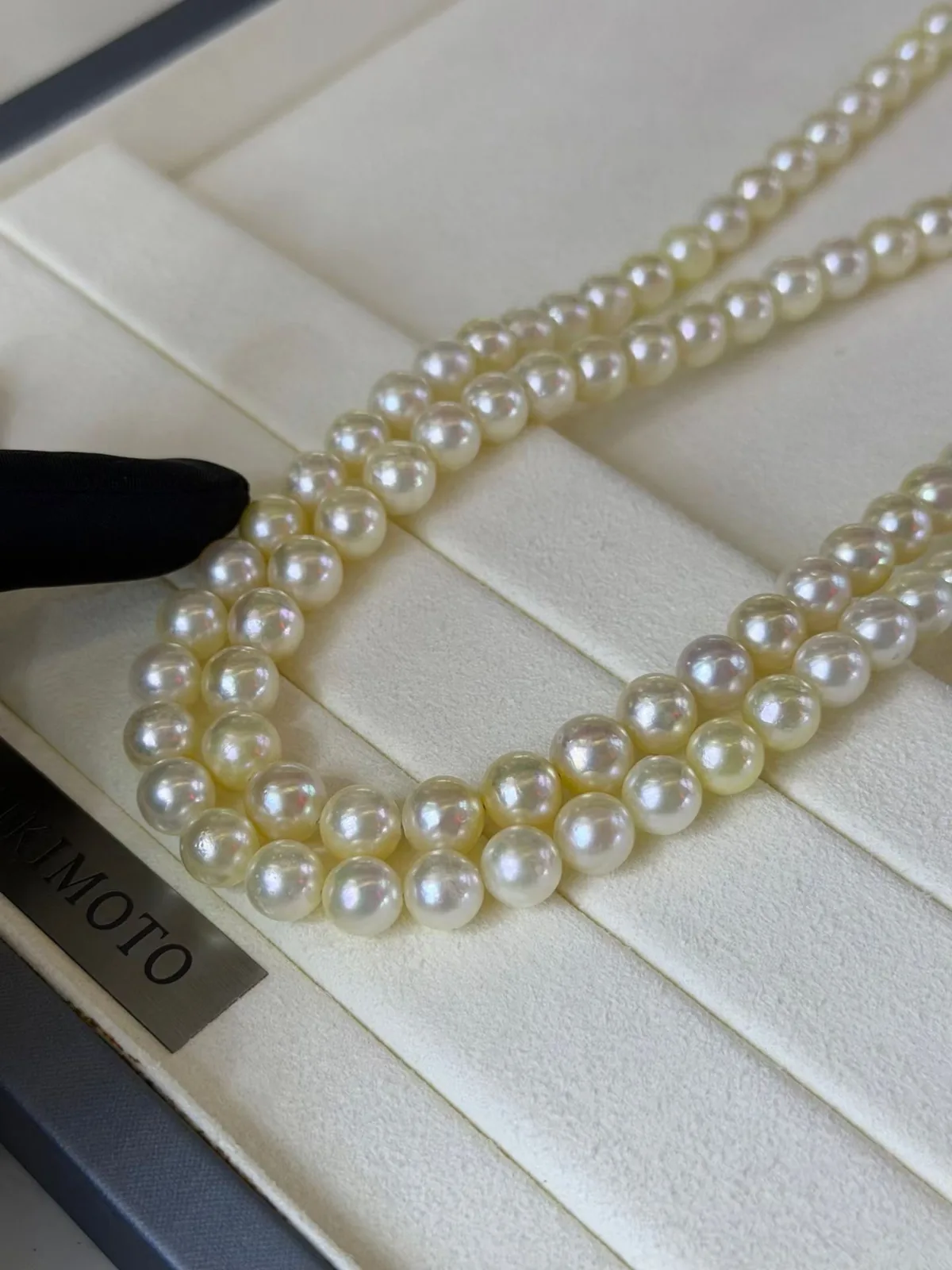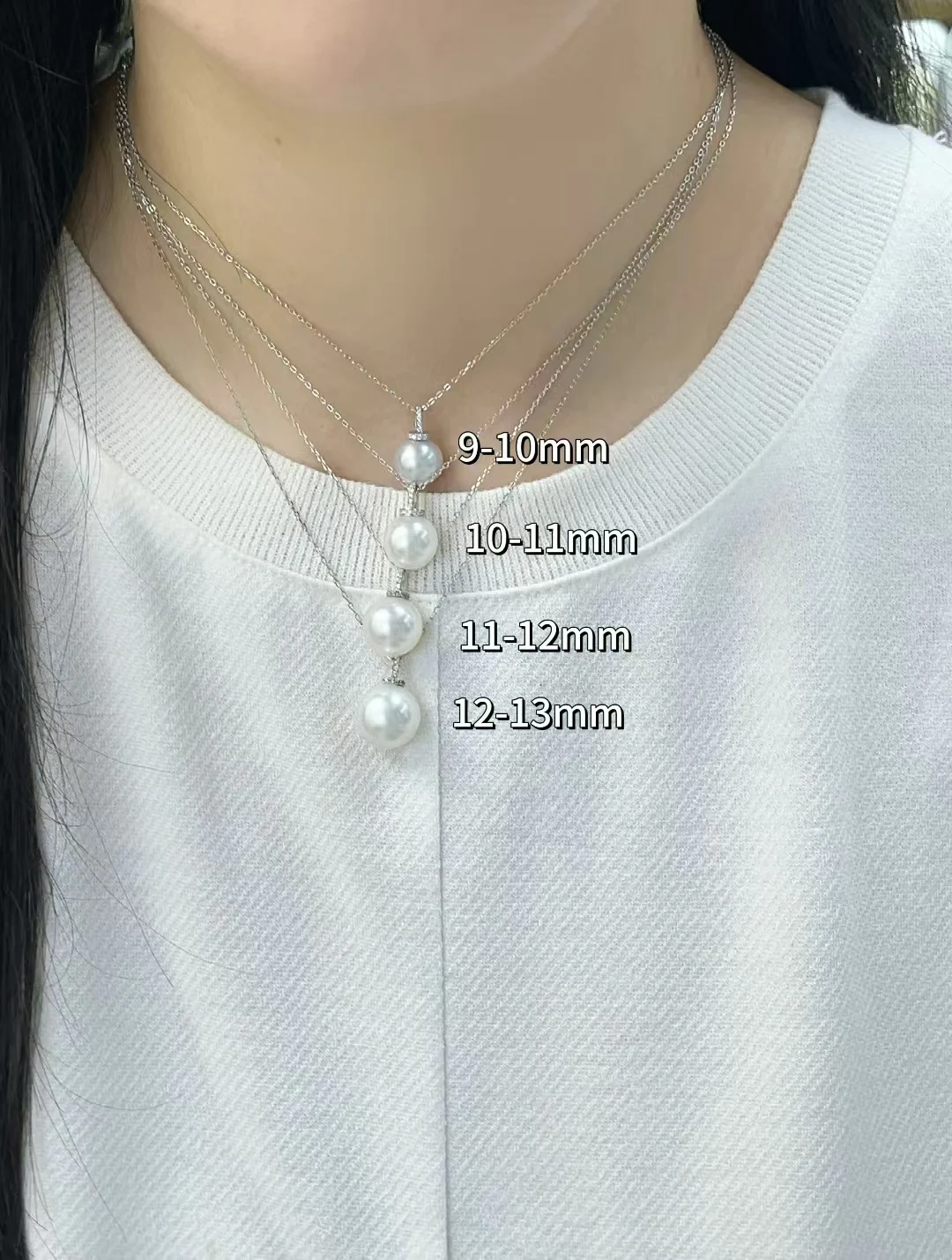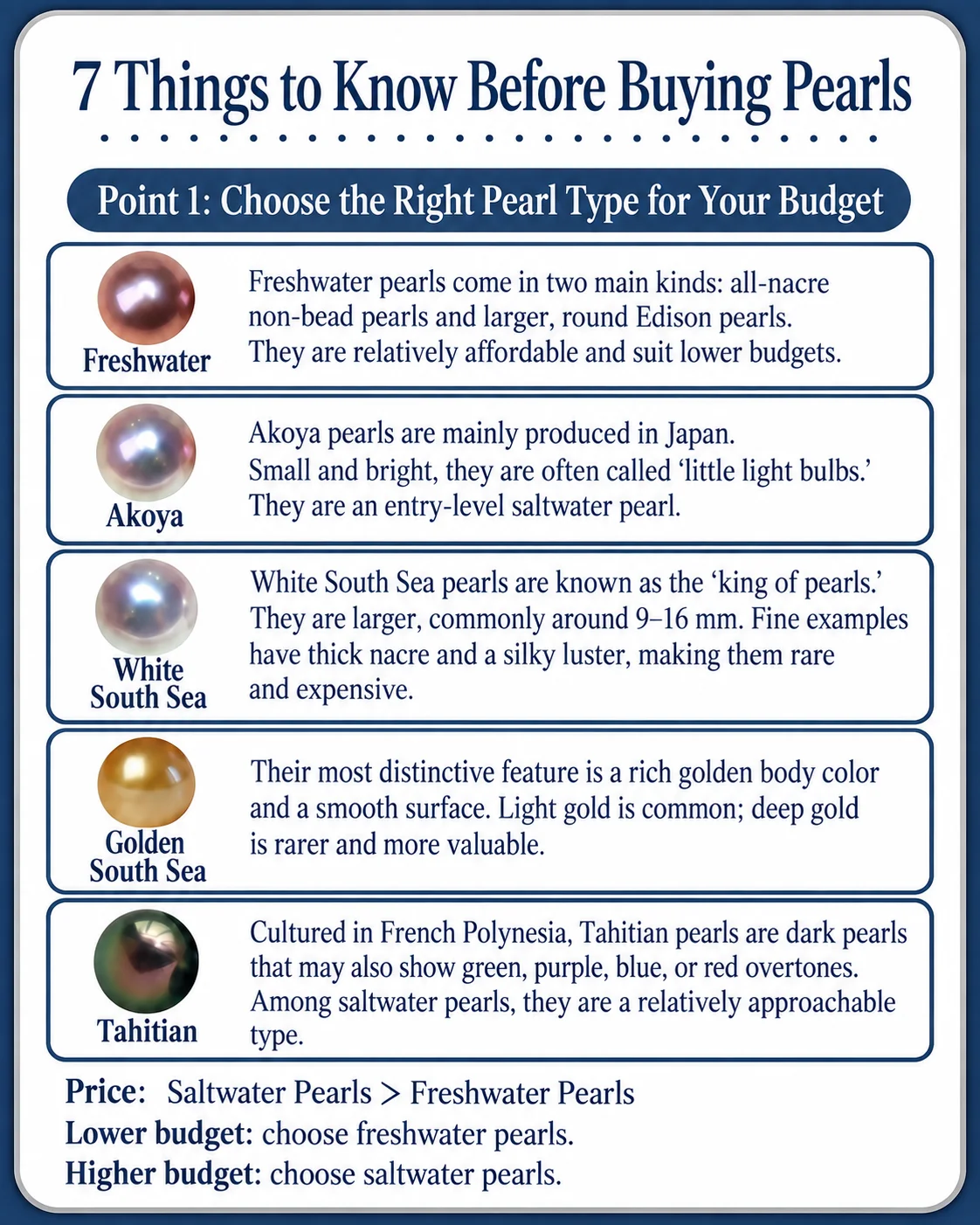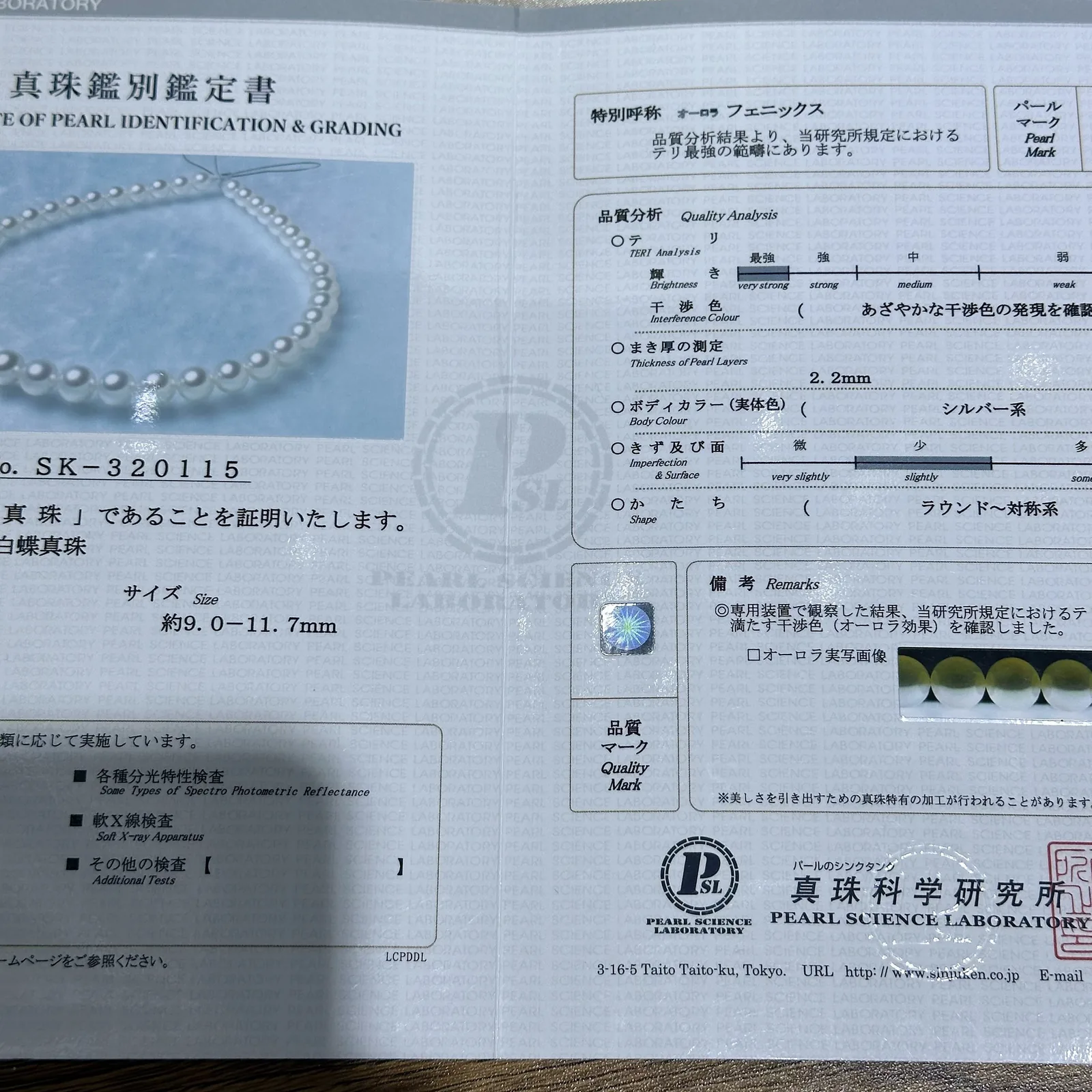
To evaluate a pearl properly, do not start with its size, grade label, or price tag. Start by establishing what the pearl actually is. Then compare its quality with pearls of the same general type, judge the individual value factors, and only after that consider rarity, treatment status, matching, jewelry construction, and the market in which it is being sold.
A practical sequence is:
Identity → pearl type → treatment status → luster and nacre → surface → shape → size → color → matching → rarity and market context.
This order matters because pearl value is comparative. A 10 mm freshwater pearl, a 10 mm Akoya pearl, a 10 mm Tahitian pearl, and a 10 mm natural pearl cannot be valued simply by placing them on the same size chart. Their production, rarity, structure, color possibilities, and market categories are different.
The GIA 7 Pearl Value Factors provide one of the most useful frameworks for describing pearl quality: size, shape, color, luster, surface, nacre, and matching. But those seven factors work best after the pearl's identity and comparison group are understood.
Quick Answer: What Should You Check When Evaluating a Pearl?
| Step | What to evaluate | Why it matters |
|---|---|---|
| 1. Identity | Natural, cultured, or imitation | These belong to fundamentally different value categories |
| 2. Pearl type | Freshwater, Akoya, Tahitian, South Sea, or another category | Size, color, shape, rarity, and normal quality expectations differ by type |
| 3. Treatment status | Natural appearance or disclosed treatment | Treatment may materially change rarity and market value |
| 4. Luster and nacre | Brightness, reflection sharpness, nacre continuity and condition | Strongly affects beauty and, in some cases, durability |
| 5. Surface | Number, severity and position of blemishes or damage | Cleaner surfaces are generally rarer; serious defects can affect durability |
| 6. Shape | Roundness, symmetry or quality of an intentional baroque form | Some shapes are substantially rarer than others |
| 7. Size | Diameter or dimensions | Larger sizes usually become rarer within the same pearl type and quality level |
| 8. Color | Bodycolor, overtone, orient, saturation and evenness | Desirability and rarity vary by pearl type and market |
| 9. Matching | Consistency within pairs, strands or sets | Fine matching requires both quality material and sufficient inventory |
| 10. Market context | Rarity, provenance, reports, jewelry construction, brand and demand | Quality and selling price are related, but they are not identical concepts |
Step 1: Establish What the Pearl Actually Is
The biggest valuation mistake is to evaluate quality before establishing identity.
A beautifully lustrous imitation pearl may be an excellent imitation, but it does not enter the same market category as a cultured pearl. Likewise, a cultured pearl and a natural pearl can look remarkably similar while belonging to very different rarity and value categories.
Before discussing whether a pearl is “high grade,” ask:
- Is it a genuine pearl or an imitation?
- If genuine, is it natural or cultured?
- What type of cultured pearl is it?
- Is it nacreous or a non-nacreous pearl material such as conch or Melo?
- Are important origin or treatment claims being made?
Some obvious imitations can be screened visually, but appearance alone has limits. Valuable natural-versus-cultured determinations, unusual pearl types, and certain treatment questions may require professional laboratory examination.
If identity itself is uncertain, see our Pearl Identification guide before attempting a precise valuation.
Step 2: Compare the Pearl Within the Correct Category
Pearl value should usually be judged within a meaningful comparison group.
A large diameter that is unusual for Akoya may be ordinary for South Sea pearls. A dark bodycolor is expected in many Tahitian pearls but may indicate treatment in some freshwater material. A satiny luster characteristic of fine South Sea pearls should not automatically be judged against the sharper mirror-like appearance often associated with fine Akoya.
This is why statements such as “bigger is better,” “round is always best,” or “the brightest pearl is the most valuable” are incomplete.
A better comparison is:
same pearl type + similar size + similar general color + similar intended use → then compare quality.
Once the comparison group is controlled, differences in luster, surface, shape, nacre, and matching become much more meaningful.
Step 3: Check Treatment Status Before Paying for Rarity
Treatment does not automatically make a pearl poor quality, and an untreated pearl is not automatically beautiful. However, treatment can change the meaning of rarity.
Color is a good example. A dark freshwater cultured pearl and a naturally dark Tahitian cultured pearl may both be attractive, but the origin of that dark appearance is commercially relevant. Likewise, a treated golden color and a naturally developed golden South Sea color should not automatically be valued as equivalent if natural color is part of the premium being claimed.
The practical rule is:
judge beauty and treatment status separately.
A treated pearl can have excellent luster, surface quality, and shape. The treatment simply becomes another fact that should be considered when evaluating rarity, disclosure, and price.
For expensive pearls where natural color materially affects the transaction, reliable documentation or laboratory testing may be more useful than trying to infer treatment from photographs.
Step 4: Evaluate Luster Before Being Distracted by Size
Luster is one of the most important visible factors in pearl evaluation. GIA describes high-luster pearls as having bright, sharp reflections, while lower-luster pearls show progressively softer, weaker, or more diffused reflections.
When comparing similar pearls, look at the reflection of a window, lamp edge, your fingers, or another clearly defined object. A pearl with stronger luster should produce a brighter and more sharply defined reflection.
Do not judge luster only from whether the surface appears shiny. A photograph taken under a small intense light source can make even moderate pearls look bright. The useful question is:
How sharp and lively is the reflected image under the same lighting as the comparison pearls?
This is why side-by-side comparison matters so much. A single pearl photographed alone can be difficult to grade accurately.
A smaller pearl with excellent luster can easily be more visually impressive—and sometimes more valuable—than a larger pearl with dull or chalky appearance.
Step 5: Judge Nacre Quality Together with Luster and Durability
Nacre cannot always be reduced to a simple thickness number. Its continuity, structure, surface appearance, and relationship with luster also matter.
Warning signs can include a chalky appearance, visible bead-nucleus effects, peeling, poor layer continuity, or areas where the nacre appears structurally weak.
GIA updated its nacre classification framework in 2025 to use five ranges—Excellent, Very Good, Good, Fair, and Poor—based on structural and textural nacre features visible at the surface or below it.
For ordinary buying, you do not need to reproduce a laboratory classification. The practical question is simpler:
Does the pearl have healthy, continuous nacre that supports good appearance and reasonable durability?
Do not assume that a pearl is superior merely because a seller describes it as “thick nacre.” Nacre quality and nacre thickness are related concepts, but they are not identical.
Step 6: Evaluate Surface Features by Severity and Position
Most real pearls are not perfectly flawless. Small pits, wrinkles, growth marks, flat spots, ridges, or other surface characteristics can occur during formation.
The effect on value depends on more than the number of marks. Ask four questions:
- How severe is the feature? A faint growth mark is different from a deep crack or peeling nacre.
- How large is it? One tiny point usually matters less than a broad damaged area.
- Where is it? A blemish hidden beside a mounting may matter less than one in the center of the visible face.
- Does it affect durability? Structural damage deserves more attention than a harmless cosmetic mark.
This makes surface evaluation design-dependent. A pearl with a small localized blemish may work extremely well in a pendant or stud if the setting hides it. The same pearl may be less suitable as an exposed centerpiece.
Step 7: Evaluate Shape Without Assuming Every Pearl Must Be Round
Round cultured pearls are difficult to produce consistently and therefore often command a premium when the other factors are comparable.
But roundness is not a universal definition of quality.
Symmetrical drops can be highly valuable. Attractive ovals may be desirable for earrings or pendants. Baroque pearls can command strong prices when their luster, surface, color, size, and form are exceptional.
The right question is therefore not simply, “Is it round?” It is:
How rare, attractive, symmetrical, and useful is this shape within its pearl category?
A dull round pearl should not automatically outrank a beautifully lustrous near-round or baroque pearl.
Step 8: Use Size Only After the Other Factors Are Controlled
Within the same pearl type and comparable quality, larger pearls are generally rarer and more valuable.
The phrase “within the same pearl type and comparable quality” is essential.
An 11 mm pearl is not automatically more valuable than an 8 mm pearl. The smaller pearl may have dramatically stronger luster, cleaner nacre, better surface quality, finer shape, more desirable color, or greater rarity.
Size premiums can also accelerate rather than rise evenly. Once a pearl reaches a size that is relatively difficult for its category, each additional millimeter may carry a disproportionately higher premium.
This is one reason online pearl comparisons based only on millimeter size can be misleading.
Step 9: Evaluate Color in the Context of Pearl Type
Pearl color normally includes several layers:
- bodycolor — the dominant overall color;
- overtone — a translucent secondary color over the bodycolor;
- orient — iridescent colors that appear to move on or beneath the surface.
Color value depends on rarity, attractiveness, treatment status, pearl type, fashion, and market preference. There is no single universal “best” pearl color.
A strong peacock combination can be desirable in Tahitian pearls. Deep natural gold can command a premium in Golden South Sea pearls. Rosé or silver overtones can be preferred in particular Akoya markets. Pastel combinations can be desirable in freshwater pearls.
Instead of asking which color is most expensive in general, ask:
How attractive and rare is this color for this particular pearl type, and is the color origin represented accurately?
Step 10: Evaluate Matching When More Than One Pearl Is Involved
Matching does not apply to a single loose pearl, but it becomes important for earrings, strands, bracelets, and multi-pearl jewelry.
A well-matched strand requires consistency in several characteristics at once: size, shape, color, overtone, luster, surface quality, and general visual character.
This can create a large value premium because matching is an inventory problem as much as a grading problem. Finding one excellent pearl may be possible. Finding two nearly identical excellent pearls is harder. Finding dozens that work together as one necklace is harder again.
Intentional mismatching is different. A multicolor or graduated design does not need identical pearls, but the variation should still appear controlled and purposeful.
Quality Is Not the Same as Rarity
A pearl can be high quality without being especially rare, and rare without being especially beautiful.
This distinction becomes important in collector material. A rare natural pearl with an unusual provenance may command substantial value even if its shape or surface would not receive the highest visual grade. Conversely, an exceptionally attractive cultured freshwater pearl may show remarkable luster and surface quality while remaining more available than a comparable fine South Sea or rare natural pearl.
Value therefore has at least two layers:
quality tells you how good the pearl is; rarity tells you how difficult it is to replace.
The strongest values often occur when high quality and high rarity appear together.
Pearl Value Is Not the Same as Retail Price
Once the pearl itself has been evaluated, the price of a finished jewelry piece can still include many things that are not pearl quality factors.
These may include precious-metal weight, diamonds or other gems, clasp quality, design, manufacturing complexity, handwork, brand positioning, retail overhead, warranty, certification costs, taxes, and dealer margin.
This is why two necklaces containing visually similar pearls can have very different retail prices.
If your goal is to compare pearl value rather than finished jewelry price, separate the questions:
What are the pearls worth as pearl material?
What additional value comes from the jewelry itself?
What part of the final price comes from the seller, brand, or retail channel?
For a deeper explanation of price formation, see Why Do Pearl Prices Vary So Much?
Do AAA, AAAAA, Hanadama, or Other Labels Tell You the Value?
Not by themselves.
Commercial grades such as AAA, AAAA, or AAAAA are not one universal international scale used identically by every seller. Two companies can use the same label for noticeably different material.
Named standards or certificates may be much more specific, but you still need to understand exactly what the designation covers.
A useful seller should be able to translate a grade into observable characteristics such as:
- luster level;
- surface condition;
- shape tolerance;
- size range;
- nacre expectations;
- matching standards;
- treatment disclosure.
If the grade cannot be connected to measurable or visible characteristics, it is difficult to compare with another seller's grade.
For more detail, see our Pearl Grading Guide.
Does a Certificate Prove What a Pearl Is Worth?
A laboratory report and a monetary appraisal solve different problems.
A gemological report may help establish identity, natural-versus-cultured status, certain treatments, measurements, and—in some report formats—quality classifications. That information can be extremely important when a value claim depends on rarity or identity.
But a certificate does not automatically tell you what a buyer will pay today.
Monetary value still depends on the actual pearl, the purpose of the valuation, the market being considered, current demand, and the type of transaction. Replacement value, retail asking price, auction estimate, dealer purchase price, and secondhand resale value can all be different numbers for the same object.
Use laboratory documentation to strengthen facts. Do not treat it as a substitute for understanding the market.
A Practical Pearl Evaluation Workflow
If you are comparing pearls in person, the following order is usually more useful than staring at the seller's grade first.
- Confirm the claimed pearl category. Do not compare unidentified material as though it were equivalent.
- Place comparable pearls together. Similar type, size range, color family, and intended use make the comparison meaningful.
- Use consistent neutral lighting. Lighting can dramatically alter apparent color and luster.
- Look at luster first. Compare reflection brightness and sharpness.
- Rotate every pearl. Never evaluate surface, color, or shape from one attractive side.
- Check nacre and structural condition. Look for peeling, chalkiness, cracking, exposed nucleus, or other durability concerns.
- Judge surface severity and location. Separate harmless growth character from serious damage.
- Compare shape. Decide whether you are paying for roundness, symmetry, or an attractive irregular form.
- Check exact size. Apply the size premium only after quality is reasonably comparable.
- Evaluate color under the same light. Separate beauty from claims about natural color.
- For pairs or strands, step back and judge matching as a whole.
- Only then compare price. Ask what part reflects pearl quality and what part reflects rarity, jewelry construction, certification, or brand.
Can You Evaluate Pearl Value from Photos?
You can make a preliminary comparison from good photographs, but precise valuation from images alone is risky.
Photos can help with obvious shape, approximate color, visible surface features, design, and broad matching. They become much less reliable when lighting, exposure, white balance, sharpening, background color, or retouching changes the appearance.
Luster is especially easy to exaggerate photographically because a strong point light can create bright highlights without accurately representing the pearl's full optical quality.
For useful remote comparison, ask for:
- several pearls photographed together under the same light;
- front, side, and rotated views;
- video showing the pearl turning slowly;
- exact millimeter measurements;
- clear treatment disclosure;
- close-ups of important surface features;
- laboratory documentation when identity materially affects value.
The goal is not to make the pearl look as attractive as possible. The goal is to make different pearls genuinely comparable.
Common Pearl Valuation Mistakes
| Mistake | Why it fails | Better approach |
|---|---|---|
| Choosing the largest pearl automatically | Size cannot compensate for every weakness in luster, nacre or surface | Compare size only after basic quality is controlled |
| Assuming round always means best | Shape is only one value factor | Judge roundness together with luster, surface, nacre and rarity |
| Trusting an AAA label without a definition | Seller grading scales are not universally standardized | Ask what visible standards the grade represents |
| Judging luster from one product photo | Lighting can create misleading highlights | Compare several pearls under identical lighting |
| Assuming every surface mark is equally serious | Position and structural severity matter | Separate cosmetic marks from durability problems |
| Assuming natural color automatically means high quality | Color origin says nothing about luster, surface or shape | Evaluate treatment status and quality separately |
| Comparing different pearl types directly by millimeter size | Normal size ranges and rarity differ by pearl type | Compare within the correct category first |
| Treating a certificate as a price guarantee | Identification and monetary appraisal are different tasks | Use reports to establish facts, then assess the relevant market |
So, Which Factor Matters Most?
There is no single formula that works for every pearl, but luster is usually one of the best places to begin when comparing visually similar pearls. It strongly affects whether the pearl looks lively, deep, and attractive.
That does not mean luster should override structural problems, identity, or rarity. A pearl with exceptional luster but serious cracking may be a poor purchase. A dull natural pearl of exceptional historical rarity may still have significant collector value. A perfectly round pearl with weak nacre may not deserve a premium simply for its geometry.
Think of pearl value as a combination rather than a scorecard:
identity establishes the category; quality establishes how good the pearl is within that category; rarity and market context determine how strongly those qualities are rewarded.
If you want a factor-by-factor reference rather than the evaluation sequence used here, see Which Seven Factors Most Influence Pearl Quality and Value?
Frequently Asked Questions
How can I tell if a pearl is valuable?
First identify what kind of pearl it is, then compare its luster, surface, nacre, shape, size, color, and—where relevant—matching with similar pearls of the same type. Treatment status, rarity, documentation, and market demand may then raise or lower its commercial value.
Is luster the most important pearl value factor?
Luster is often one of the most important visible factors because it strongly affects a pearl's beauty. However, it should not be considered in isolation from nacre condition, surface quality, identity, rarity, and other factors.
Are bigger pearls always more valuable?
No. Larger pearls are generally more valuable only when the comparison involves the same pearl type and reasonably similar quality. A smaller pearl with better luster, surface, nacre, shape, or rarity can be more valuable.
Does a perfectly round pearl always have the highest value?
No. Roundness usually earns a premium because true round pearls are difficult to produce, but shape is only one factor. Fine drops, attractive baroque pearls, and other shapes can be highly valuable when their overall quality and rarity are strong.
Does a certificate make a pearl more valuable?
A respected laboratory report can support important facts such as identity, natural-versus-cultured status, treatment information, or quality classification. That documentation may increase buyer confidence, but it does not automatically determine a monetary price.
Can I accurately value pearls from photos?
Photos are useful for preliminary screening, but precise valuation is difficult because lighting and image processing can distort luster and color. Controlled comparison images, videos, measurements, treatment disclosure, and laboratory evidence are more useful for higher-value purchases.
Are AAA pearl grades universal?
No. Commercial letter grades are not used identically by every seller. Always ask what a seller's grade means in terms of luster, surface quality, shape, nacre, matching, and other observable characteristics.
Final Takeaway
The best way to evaluate pearl value is to work from facts toward price, not from price backward toward quality.
Identify the pearl first. Compare it with the correct category. Evaluate luster, nacre, surface, shape, size, color, and matching under consistent conditions. Then consider treatment, rarity, documentation, jewelry construction, and market demand.
No single number, photograph, size measurement, certificate, or AAA label can replace that process.
Once the comparison is controlled, pearl valuation becomes much less mysterious: you are looking for the combination of beauty, condition, rarity, and suitability that is hardest to replace.