
Are Freshwater Pearls Worth Anything? What Actually Gives Them Value

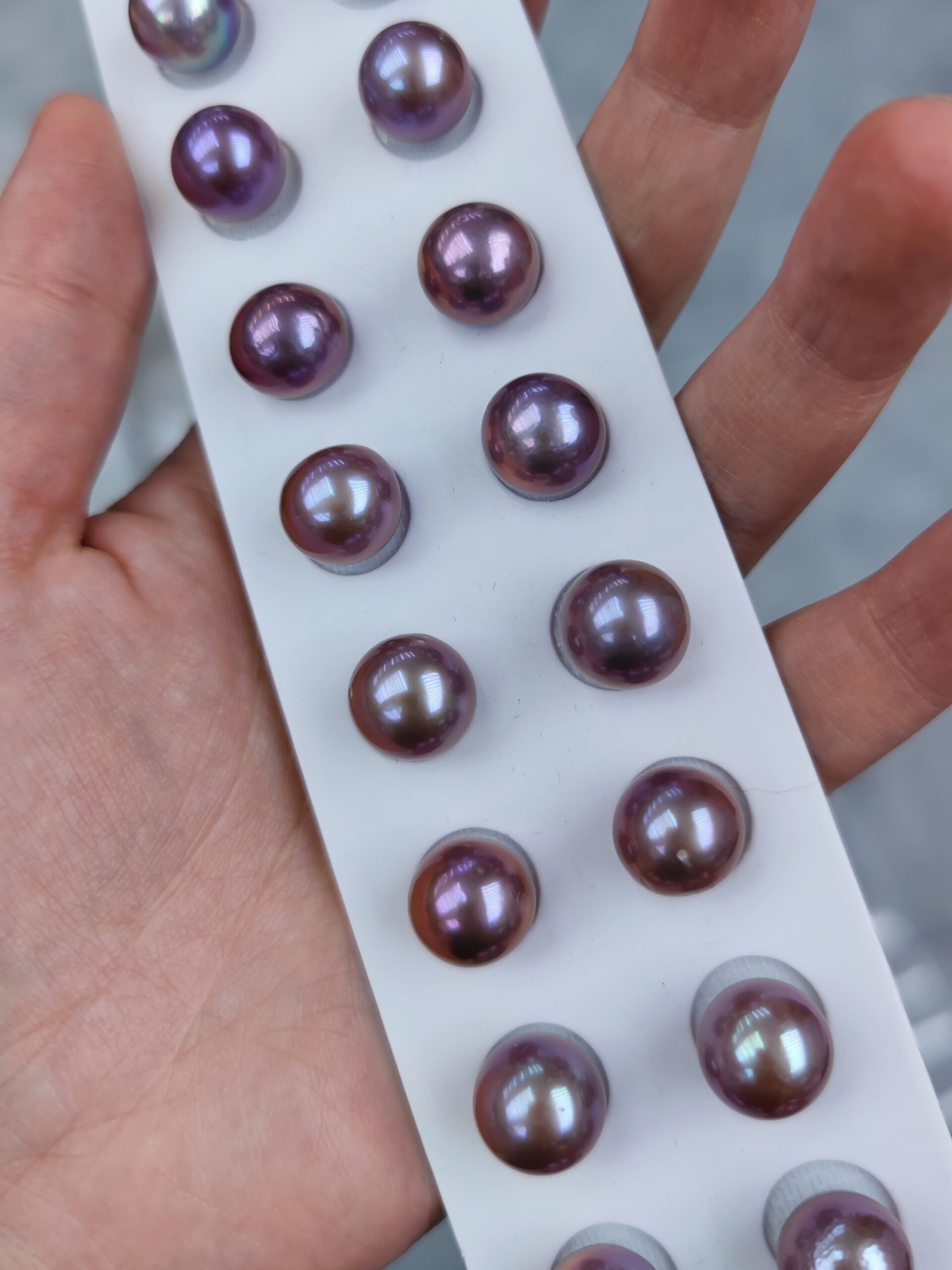
Freshwater pearls are absolutely worth something. The better question is what kind of value they have, and what quality level you are looking at.
Many people assume that because freshwater pearls are often more affordable than Akoya, Tahitian, or South Sea pearls, they must be low quality or not especially valuable. That is not a good way to judge them. Freshwater cultured pearls are the most commonly produced pearl type and are widely available at lower price points, but value still depends on factors such as luster, shape, size, surface quality, nacre quality, color, and matching, as outlined by GIA’s pearl quality factors and its overview of the major types of cultured pearls.
In this guide:
- The short answer
- What makes freshwater pearls valuable
- How much freshwater pearls are worth
- How to tell if a piece is worth buying
The short answer: yes, freshwater pearls do have value
If someone asks, “Are freshwater pearls worth anything?” the honest answer is yes. They are real pearls, they are used in fine jewelry, and they can range from modest everyday pieces to well-matched strands and standout pearls that sell for much more. What changes is not whether they have value, but how much value they have and how that value should be understood.
That last point matters. Lower price points do not mean “fake,” and they do not mean “worthless.” In many cases, they reflect supply, production structure, and the fact that freshwater pearls cover a very wide quality range. GIA describes freshwater cultured pearls as one of the most popular pearl types because they offer an impressive range of sizes, shapes, and colors with strong commercial availability at lower price points.
So the short answer is simple: freshwater pearls can be inexpensive without being worthless. Some are basic fashion-grade pieces. Others are fine jewelry materials with strong luster, good durability, and meaningful retail value.
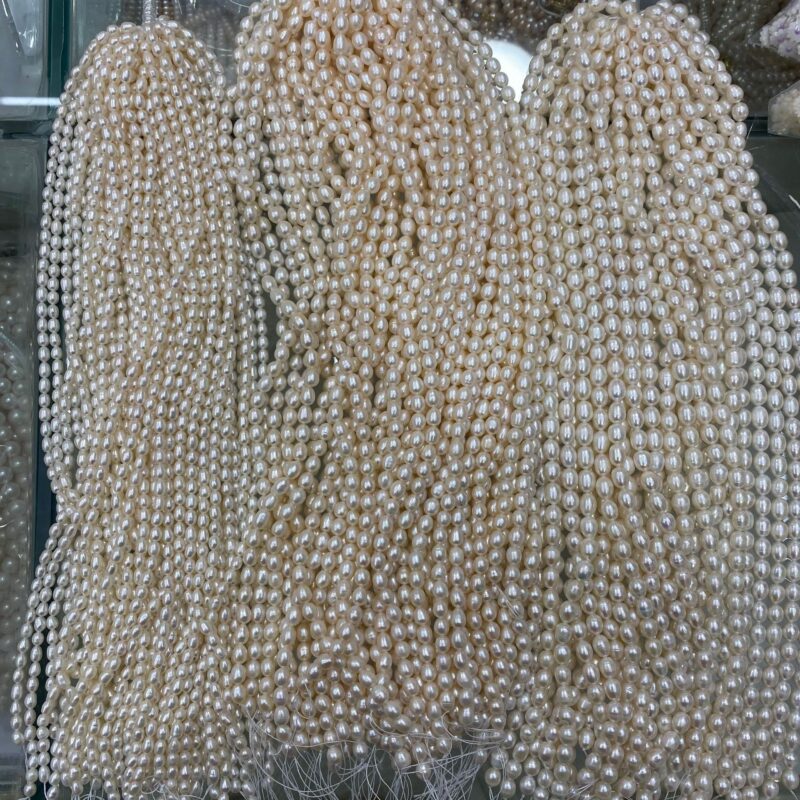
What does “worth anything” really mean?
This is where many articles become vague. The word worth can mean several different things, and readers often mix them together.
1. Retail jewelry value
This is the most common meaning. A freshwater pearl necklace, pair of earrings, or loose pearl can absolutely have retail value if the pearls are attractive and the finished piece is well made.
2. Design and wearing value
Some freshwater pearls are valuable not because they are rare investment objects, but because they look beautiful, wear well, and make excellent jewelry. Baroque freshwater pearls are a good example. They may not be priced like top classic South Sea pearls, but they can still be highly desirable because of their shape, personality, and versatility in design.
3. Resale value
This is where people often get disappointed. A piece can have real retail value and still have limited resale value, especially if it is a common commercial item with no strong brand, no exceptional quality, and no unusual provenance. That is true for many kinds of jewelry, not only freshwater pearls.
So if your question is “Can freshwater pearls be beautiful and worth buying?” the answer is often yes. If your question is “Will every freshwater pearl necklace hold high resale value?” the answer is no.
What makes freshwater pearls valuable?
The best way to answer this is not with hype, but with quality factors. GIA identifies seven major pearl value factors: size, shape, color, luster, surface quality, nacre quality, and matching for jewelry with two or more pearls. Those factors are much more useful than simply asking whether a pearl is freshwater or saltwater.
Luster
Luster is usually the first thing people notice. A pearl with bright, crisp, lively reflections generally looks more valuable than one with a dull or chalky surface. If two freshwater pearls are similar in size and shape, the one with better luster will usually feel more refined and more expensive.
Shape
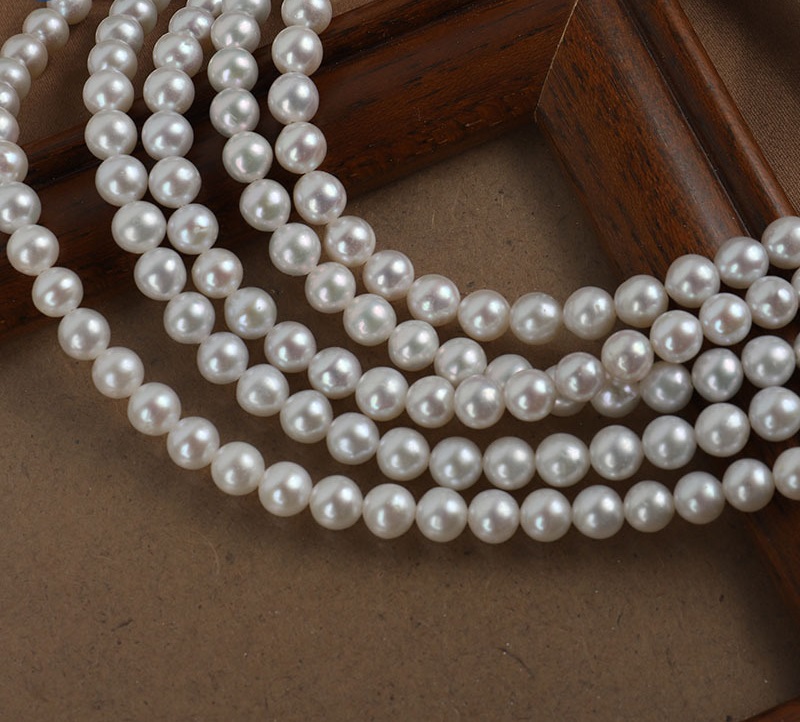
Round pearls are typically the most difficult cultured shape to achieve consistently, which is why round pearls are generally more valuable when other factors are equal. GIA notes that round is usually the rarest cultured pearl shape and generally the most valuable, although well-formed baroque and other shapes can also be highly attractive in jewelry.
Surface quality
Clean surfaces usually increase value. Minor natural marks are normal in pearls, but heavy spotting, pits, wrinkles, or obvious blemishes can lower value quickly.
Size
All else being equal, larger pearls are usually rarer and more valuable. This does not mean small pearls have no value; it simply means that larger pearls with the same luster, shape, and surface quality tend to command more.
Color
Freshwater pearls come in a broad color range, including white, pink, peach, lavender, and other tones. Value depends less on whether a color sounds rare in name and more on whether the color is attractive, even, and well matched in the final piece.
Nacre quality
Nacre affects both appearance and durability. Better nacre generally supports better luster and a more satisfying pearl surface. GIA’s more recent nacre guidance also emphasizes that nacre structure influences other important value factors, including luster and surface quality.
Matching
For necklaces, bracelets, and earrings, matching matters more than many beginners realize. Pearls that are well matched in color, size, overtone, shape, and luster almost always look more valuable than a piece assembled from visually inconsistent pearls.
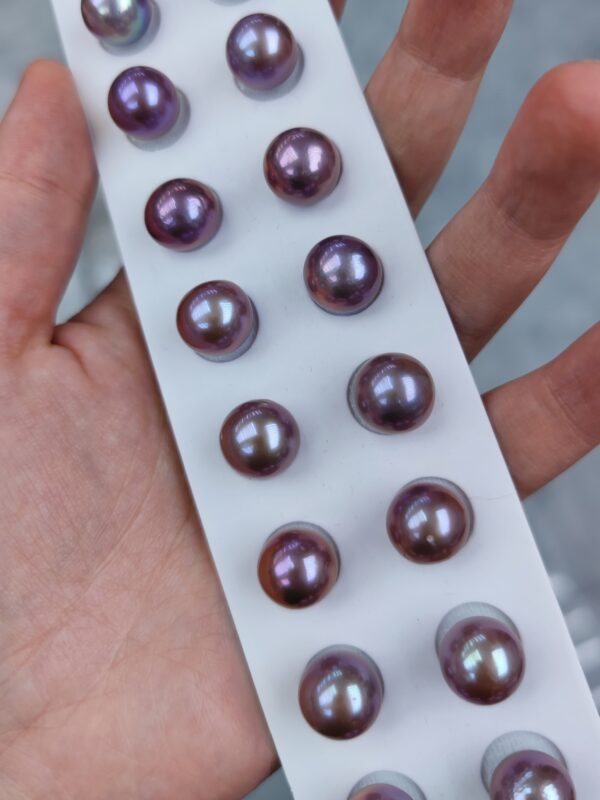
Why are some freshwater pearls cheap while others are not?
This is where the topic connects to price without becoming the same as “Why Are Freshwater Pearls So Cheap?”
Freshwater cultured pearls are commercially abundant. As GIA explains in its cultured pearl overview, they are the most commonly produced pearl type and are popular partly because of their broad availability and lower price points. That means the market includes a huge amount of entry-level material, especially off-round, more visibly blemished, smaller, or lower-luster pearls.
But abundance at the low end does not erase quality differences at the high end.
In practice, a fine freshwater pearl becomes more expensive when several positive traits come together at the same time: strong luster, cleaner surface, better matching, a more desirable shape, larger size, and a finished design that suits the material well. That is why two pieces both labeled “freshwater pearl necklace” can have dramatically different prices.
This is also why it is not enough to ask whether a pearl is freshwater. You need to ask what kind of freshwater pearl it is.
How much are freshwater pearls worth?
There is no single answer, because “freshwater pearls” includes everything from low-cost commercial strands to well-matched fine jewelry pieces.
A realistic way to think about it is this:
Entry-level freshwater pearl jewelry
Simple commercial pieces can start at relatively low prices, especially when the pearls are smaller, less round, more visibly blemished, or used in fashion jewelry settings.
Better everyday freshwater pearl jewelry
Once luster improves, matching becomes cleaner, and the overall piece looks more intentional, prices usually move up meaningfully.
Fine freshwater pearl strands and standout pieces
Well-matched round freshwater strands, stronger Edison pearls, or unusually attractive larger freshwater pearls can move far beyond basic entry-level pricing. In retail, that often means the category spans from very affordable pieces to jewelry priced in the hundreds or even low thousands, depending on quality, design, and workmanship. One retail pricing guide from Pure Pearls gives a useful consumer-facing example of how wide that range can be.
The key mindset is this: freshwater pearls have a wide value band. A low-priced piece does not represent the whole category, and a higher-priced piece is not automatically a good one either.
Are freshwater pearls valuable compared with saltwater pearls?
On average, freshwater pearls usually sell for less than top Akoya, Tahitian, or South Sea pearls. That does not mean they are inferior in every practical sense, and it certainly does not mean they are worthless.
Freshwater pearls occupy a different part of the market. They often offer excellent beauty for the price, a wide design range, and more accessible pricing for everyday buyers. Modern cultivation has also improved their appearance dramatically. The International Gem Society’s freshwater pearl guide notes that cultured freshwater pearls can now match saltwater pearls in appearance because of improved farming techniques.
For many buyers, that makes freshwater pearls not the “cheap substitute,” but the smartest value choice.
How to tell if a freshwater pearl piece is worth buying
If you are shopping, this quick checklist is more useful than asking only whether the pearls are freshwater.
Look at the reflections
Do the pearls look bright and lively, or flat and lifeless? Strong luster is one of the clearest signs of better value.
Check the shape on purpose
Are the pearls round because they are actually well formed? Or are they irregular in a way that looks accidental rather than intentional? A beautiful baroque pearl can be valuable too, but the shape should feel aesthetically convincing.
Examine the surface
Some natural marks are expected. What you want to avoid is a piece where heavy blemishing dominates the look.
Judge the matching
In strands and earrings, good matching immediately raises the perceived quality.
Check the whole piece, not just the pearls
The clasp, metalwork, finishing, and overall design matter. Even beautiful pearls can feel underwhelming in weak construction.
Ask whether the price matches the visible quality level
A modestly priced freshwater pearl piece can be a very good buy. A higher price only makes sense when the visible quality improves too.
Are freshwater pearls an investment?
Usually, they are better understood as jewelry purchases, not as financial investments.
A beautiful freshwater pearl necklace may be worth the money because you love wearing it, because it suits your style, or because it offers strong quality for the price. That is real value. But that does not necessarily mean it will appreciate in the future or resell at a premium.
If buyers approach freshwater pearls with that mindset, expectations tend to be healthier and satisfaction tends to be higher.
Conclusion
So, are freshwater pearls worth anything?
Yes — unquestionably. But their value is not captured by one simple number.
Some freshwater pearls are inexpensive because they are widely produced and sold in large commercial volumes. Others are worth much more because they show stronger luster, cleaner surfaces, better matching, larger size, more desirable shapes, or more refined jewelry design. Their worth depends on quality, craftsmanship, and what kind of value you are actually looking for.
The most useful way to think about freshwater pearls is this: they are not automatically cheap, not automatically valuable, and certainly not worthless. They are a broad category, and the best freshwater pearls can offer remarkable beauty and very good value for the money.
FAQ
Are freshwater pearls real pearls?
Yes. Most freshwater pearls on the market are cultured freshwater pearls, which are still real pearls formed by mollusks.
Are freshwater pearls valuable?
They can be. Value depends on luster, shape, size, surface quality, nacre quality, color, and matching rather than the word “freshwater” alone.
How much are freshwater pearls worth?
There is a wide range. Simple commercial pieces may be inexpensive, while fine round strands and standout freshwater pearls can sell for much more.
Why are some freshwater pearls so cheap?
Because freshwater cultured pearls are widely produced and commercially available at lower price points, especially in entry-level quality ranges.
Do freshwater pearls have resale value?
Sometimes, but usually less than buyers expect. Common commercial freshwater pearl jewelry often has more retail or wearing value than strong secondary-market value.