
Are Freshwater Pearls Real? Real vs. Cultured vs. Fake Explained

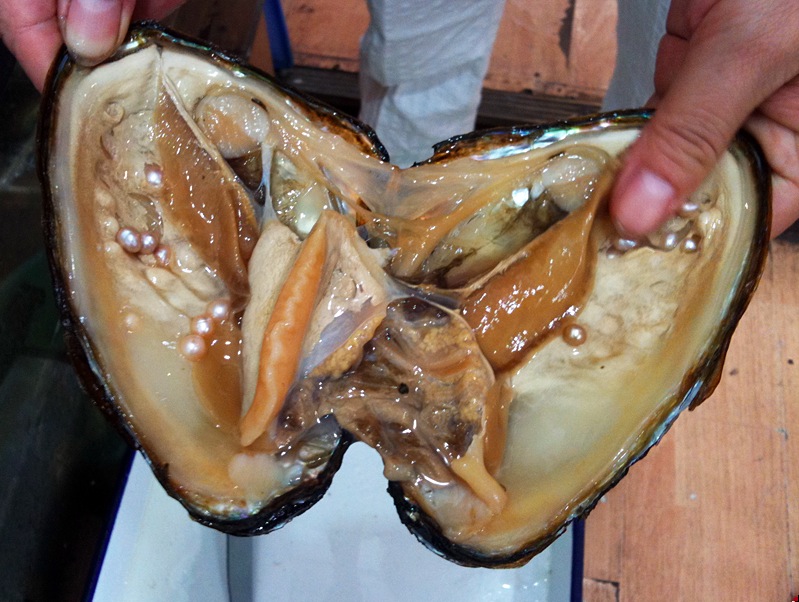
Direct answer: Yes, freshwater pearls are real pearls. Most freshwater pearls sold today are cultured freshwater pearls, which means they form inside living freshwater mollusks with human assistance. That makes them real pearls, not fake pearls.
This is one of the most common questions buyers ask, especially when they notice that freshwater pearls are often more affordable than some saltwater pearl types. The confusion usually comes from the words real, natural, and cultured. These terms are related, but they do not mean the same thing.
Contents
- Real vs. Natural vs. Cultured vs. Fake
- Are Cultured Freshwater Pearls Real?
- Why Freshwater Pearls Can Be Affordable
- How to Tell If Freshwater Pearls Are Real
Real cultured freshwater pearls usually show natural luster, subtle variation, and a less uniform look than imitation pearls.
Real vs. Natural vs. Cultured vs. Fake
Many online articles blur these terms together, but for buyers, the differences matter.
| Term | What it means |
|---|---|
| Real pearl | A pearl formed inside a living mollusk |
| Natural pearl | A real pearl formed without human intervention |
| Cultured pearl | A real pearl formed in a mollusk after the process is started with human assistance |
| Imitation pearl | A pearl lookalike made from materials such as plastic, shell, glass, or composites |
The most important point is simple: cultured does not mean fake. A cultured pearl is still a real pearl because it forms inside a living mollusk. A fake pearl only imitates the appearance of a pearl but is not formed by the mollusk at all. If you want a concise gemological explanation, GIA has a helpful reference on whether cultured pearls are considered real pearls.
Natural pearls are rare. In modern jewelry, the vast majority of pearls sold on the market are cultured pearls. That includes most freshwater pearls, most Akoya pearls, most Tahitian pearls, and most South Sea pearls. So when shoppers ask whether freshwater pearls are real, what they usually mean is whether cultured freshwater pearls are genuine pearls. The answer is yes.
For clear product language, cultured freshwater pearls is usually the most accurate commercial description. That wording is also more transparent for buyers than using only the phrase freshwater pearls.
A side-by-side visual comparison can help explain why “freshwater,” “cultured,” and “imitation” are not interchangeable terms.
Are Cultured Freshwater Pearls Real?
Yes. Cultured freshwater pearls are real pearls.
They are formed by living freshwater mollusks, just like other real pearls. The difference is that pearl farming helps start and manage the process. In other words, a cultured pearl is not an imitation. It is a genuine pearl grown under controlled conditions.
This distinction matters because buyers often use the word real in two different ways:
- Some mean “not fake, not plastic, not costume jewelry.”
- Others mean “wild and naturally formed without any human help.”
Those are two different questions.
If the question is “Are freshwater pearls genuine pearls?” the answer is yes.
If the question is “Are most freshwater pearls natural wild pearls?” the answer is no. Most are cultured.
That is why good pearl education should always separate real vs. imitation from natural vs. cultured. Mixing those categories together creates most of the confusion buyers see online. GIA also has a clear explanation of the difference between natural and cultured pearls.
Why Freshwater Pearls Can Be Affordable
One of the main reasons this topic comes up so often is price. Many buyers assume that if a pearl is more affordable, it must be fake. That is understandable, but it is not how pearl value works.
Freshwater cultured pearls are widely available and commercially important. They are known for offering a broad range of shapes, sizes, colors, and price points. That wider availability is one reason they can often cost less than some saltwater pearl categories while still being completely real. GIA’s overview of the main types of cultured pearls is a useful reference for understanding where freshwater pearls fit in the broader pearl market.
Price in pearls is not determined by only one factor. Even within cultured freshwater pearls, value can vary significantly depending on:
- luster
- surface quality
- shape
- size
- matching
- color
- drilling and finishing quality
A low-priced freshwater pearl necklace and a high-quality matched freshwater pearl strand may both be real pearls, but they do not offer the same appearance, matching standard, or overall quality level. That is why the better buying question is not simply “Are they real?” but also “What quality level am I actually getting?”
For wholesale buyers, this matters even more. Two lots may both be genuine cultured freshwater pearls, yet differ greatly in matching, clean surface ratio, shape consistency, overtone, or production suitability for a finished jewelry line.
How to Tell If Freshwater Pearls Are Real
At-home checks can help buyers screen out obvious imitation pearls. They are useful for first impressions, but they are not a substitute for professional identification when certainty matters.
1. Look at the surface closely
Real pearls usually show small natural irregularities. Even high-quality pearls are rarely perfectly identical under close inspection. Imitation pearls often look too smooth, too uniform, or too flawless in a repetitive way.
2. Check the drill holes
Drill holes can reveal a lot. On imitation pearls, you may see chipped coating, a thin outer layer, or an artificial-looking edge around the hole. On real pearls, the drill area usually looks more integrated with the pearl body.

Macro images of drill holes can help reveal whether a pearl surface looks naturally integrated or artificially coated.
3. Notice texture
A commonly mentioned screening method is the tooth test. When gently rubbed against the edge of the front teeth, real pearls tend to feel slightly gritty because of nacre structure, while imitation pearls often feel smoother. This can be useful as a quick clue, but it should not be treated as a laboratory-level test.
4. Notice weight and feel
Some fake pearls, especially plastic imitations, feel unusually light. Real pearls often feel denser and cooler at first touch. Again, this is a supporting clue, not final proof.
5. Ask for better seller information
For online purchases, close-up images, videos, and accurate product wording are often more useful than home tricks. Clear descriptions such as cultured freshwater pearls, along with honest notes about quality, shape, size, and treatments, are all good signs.
What At-Home Tests Cannot Tell You
This is where many articles oversimplify the topic.
At-home checks may help separate real pearls from obvious imitation pearls, but they usually cannot reliably tell you whether a pearl is natural or cultured. That distinction generally requires professional analysis of internal structure.
So a pearl can absolutely pass basic “real pearl” checks and still require gemological testing to determine whether it is natural or cultured, or whether color is natural or treated.
For buyers, that means simple screening methods are useful, but they should be kept in proportion. They are part of basic buying awareness, not the same thing as a full identification report.
How to Buy Freshwater Pearls Without Getting Misled
The best starting point is clear language.
Look for product descriptions that say cultured freshwater pearls rather than relying only on broad wording such as freshwater pearls or vague phrases like real pearls. Accurate sellers should also be willing to describe quality in practical terms, not just emotional marketing language. For naming and disclosure language, the FTC’s pearl guidance is worth referencing in its brochure on truthful advertising for diamonds, gemstones, and pearls.
Helpful buying questions include:
- Are these cultured freshwater pearls?
- Are they natural color or treated color?
- Are they dyed, bleached, irradiated, or otherwise treated?
- What can you tell me about luster, surface, shape, and matching?
- Can you provide close-up photos or videos of the actual lot or sample?
For wholesale sourcing, these questions are even more important. A trustworthy supplier should be able to discuss not only whether a pearl is real, but also how it is categorized, how consistent the lot is, and whether any treatment or quality tradeoff should be disclosed to downstream customers.
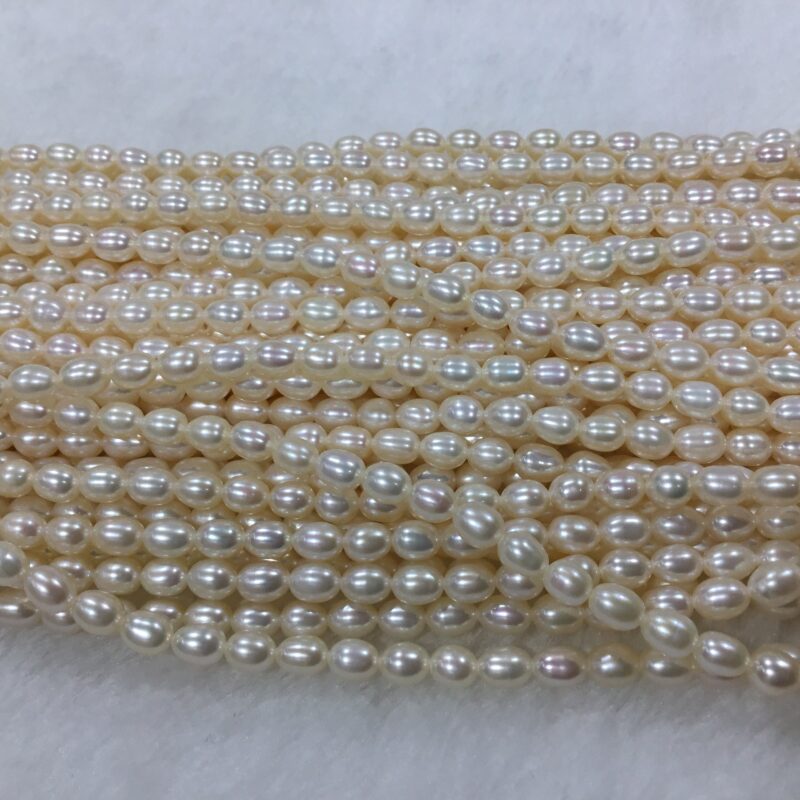
Clear naming such as “cultured freshwater pearls” is more useful to buyers than vague or romantic wording.
Final Answer
Yes, freshwater pearls are real pearls. Most freshwater pearls sold today are cultured freshwater pearls, which means they are genuine pearls formed inside living freshwater mollusks with human assistance. They are different from rare natural pearls, and they are also different from imitation pearls made from non-pearl materials.
For buyers, that is the clearest and most useful way to understand the topic: real does not mean wild, and cultured does not mean fake.
FAQ
Are freshwater pearls real pearls?
Yes. Freshwater pearls are real pearls. Most freshwater pearls on the market today are cultured freshwater pearls rather than natural wild pearls.
Are cultured freshwater pearls real?
Yes. Cultured freshwater pearls are genuine pearls formed inside living mollusks, so they are real pearls, not imitation pearls.
Are freshwater pearls natural?
Usually not. Most freshwater pearls sold in modern jewelry are cultured rather than natural. Natural pearls are much rarer.
Why are freshwater pearls cheaper?
Freshwater cultured pearls are widely available and come in many quality levels, shapes, and price points. That wider commercial availability helps explain why they can often be more affordable than some saltwater pearl categories.
How can you tell if freshwater pearls are real?
Useful first checks include surface appearance, drill holes, texture, and weight. These methods can help identify obvious imitations, but they are not a replacement for professional testing.
Can fake pearls be sold as freshwater pearls?
They should not be described that way. Accurate naming matters. Imitation pearls should be identified as imitation, artificial, or simulated rather than being presented as cultured freshwater pearls.
Read More: