Freshwater vs Saltwater Pearls: Differences Every Jewelry Lover Should Know

Have you ever placed two pearls side by side and wondered why their luster—or their price—differs so dramatically? What truly sets them apart?
The common answers—“one is rounder,” “one comes from the ocean”—only scratch the surface. For anyone trying to understand freshwater vs saltwater pearls, the real differences lie not just in appearance, but in the very essence of their birth. This is a story written by water, biology, and time.
Imagine the Environment of Their Birth
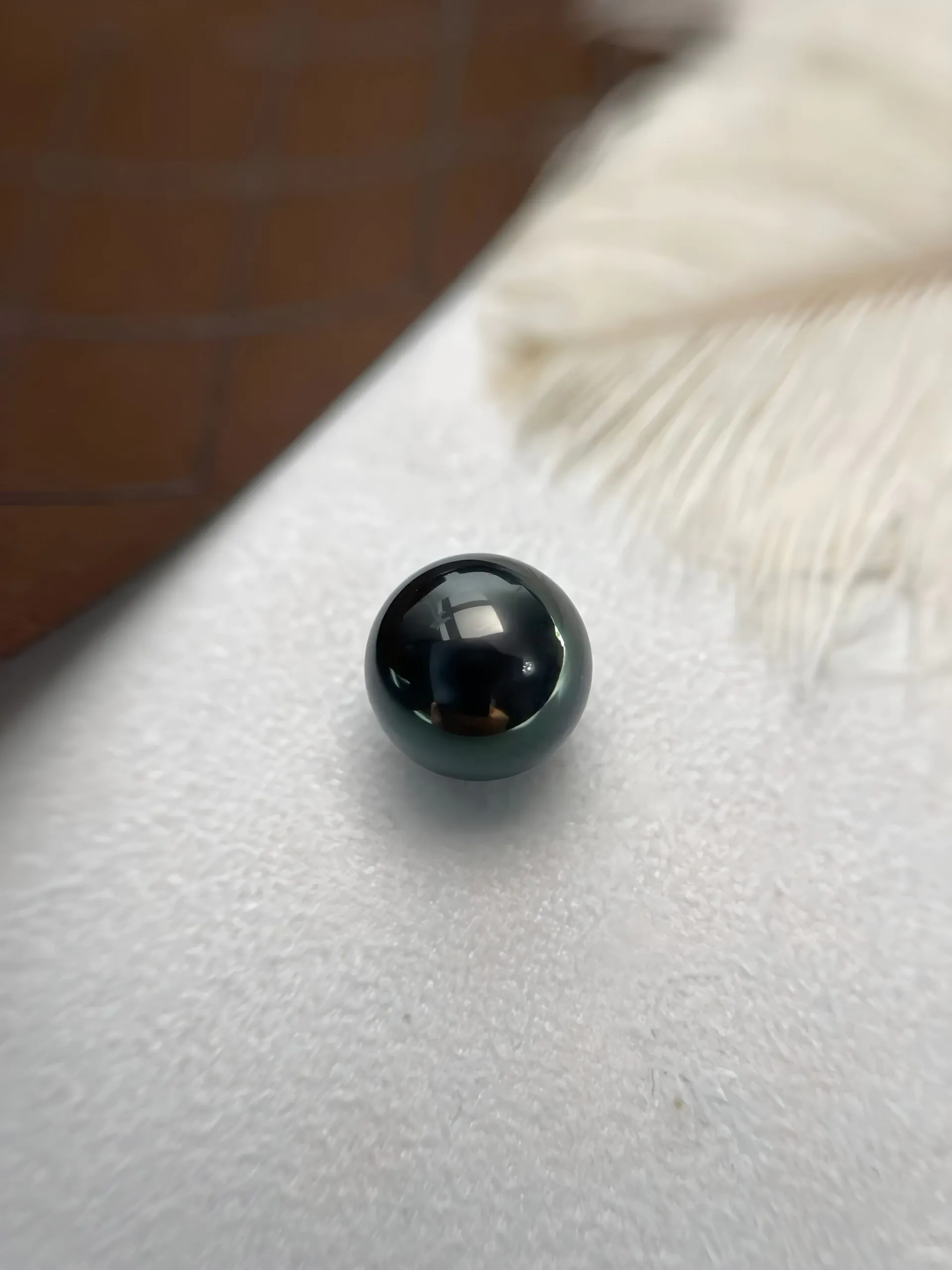
Saltwater pearls grow in the vast and unforgiving sea. The ocean is dense, salty, and mineral-rich. In such a challenging environment, mollusks secrete nacre that is unusually dense and highly crystalline. It’s like forging a gemstone under pressure; the result is an exceptionally compact and resilient material.
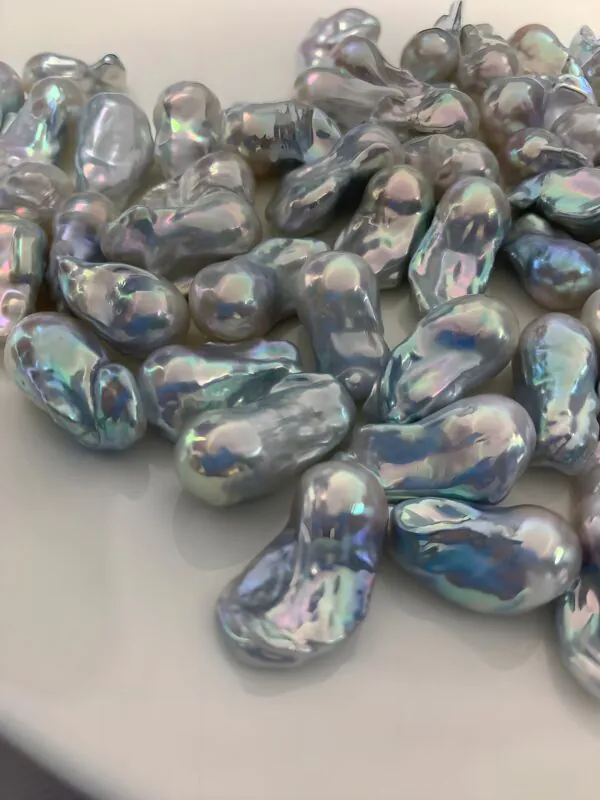
Freshwater pearls, on the other hand, grow in calmer lakes and rivers with lower density. The environment is gentler, so the nacre they form is less compact than that of saltwater pearls.
Environment shapes the most fundamental difference: saltwater pearls’ density and resistance to corrosion grant them legendary durability. A well-cared-for saltwater pearl necklace is not merely an accessory—it’s an heirloom, capable of retaining its glow and color for decades.
So Are Freshwater Pearls Fragile?
A client once told me that her freshwater pearls developed cloudy patches just three months after purchase—yet the very same strand had stayed pristine in my storage for three years. After talking with her, we discovered the culprit: her sweat!
This highlights an essential point: while freshwater pearls can be more susceptible to visible wear, much of the day-to-day damage comes from contact with liquids, perspiration, cosmetics, and rough handling. As jewelers, the most important advice we can share with customers is simple: keep pearls away from moisture when possible—or wipe them clean promptly if exposed. Removing pearls before workouts, showers, or swims can dramatically extend their lifespan. GIA’s pearl care guide offers similar everyday care advice.
Why One Pearl Can Cost Ten Times More Than Another
Durability matters, but it’s only half the story. For any artisan, the most immediate factor is cost—and here, biology and economics create a striking divide.
Each saltwater oyster represents a high-risk investment. In open-sea farms, after years of labor-intensive and uncertain cultivation, it often yields only one cultured pearl. Yields are low, while the effort and risks are high.
Now consider the freshwater mussel. It’s a marvel of efficiency—one mussel can produce multiple pearls in a single cycle. Combined with China’s dominant role as the production hub and the difference in labor costs, the outcome is simple: freshwater pearls are often only a fraction of the cost of saltwater pearls.
The Blurring Line Between Freshwater and Saltwater Pearls
So, does this mean freshwater pearls are destined to be synonymous with “low-end jewelry”?
Not anymore! While this perception was true years ago, advancements in freshwater pearl cultivation have blurred the boundaries.
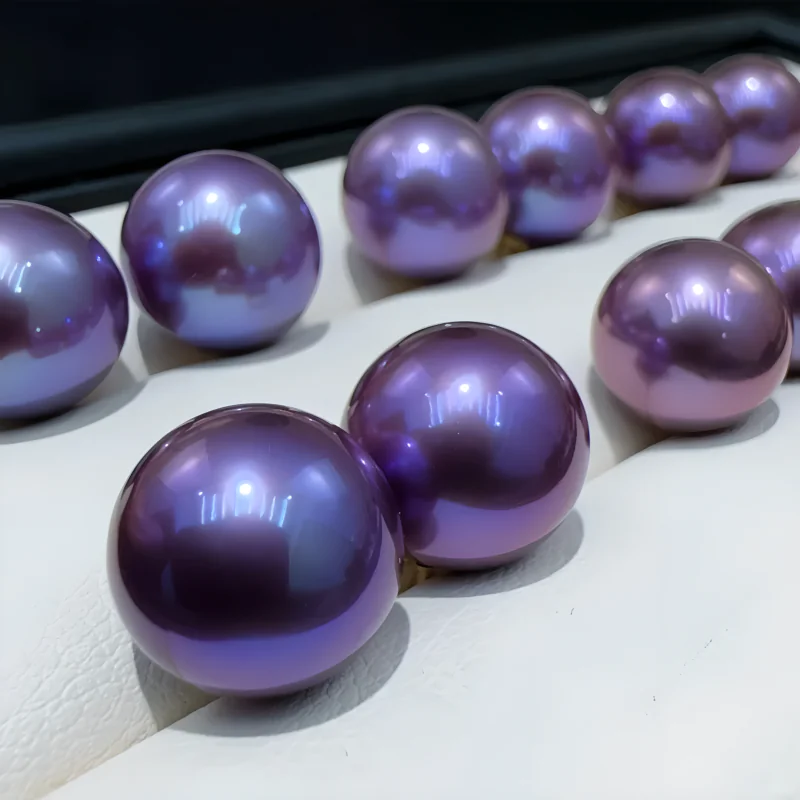
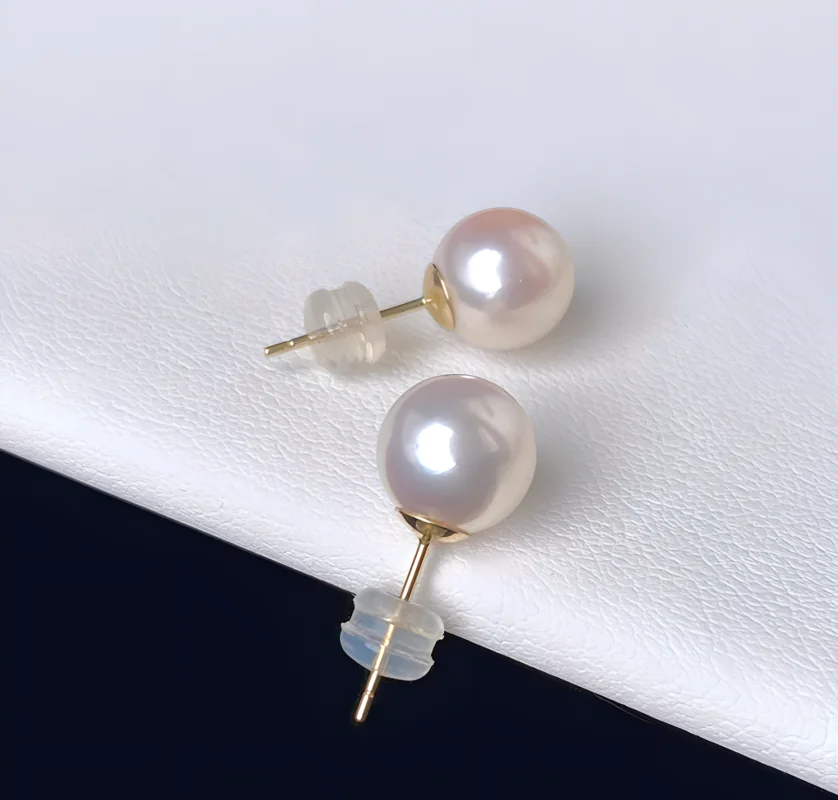
Akoya-like freshwater pearls and Edison pearls are prime examples—larger, rounder, and with luster that rivals traditional saltwater pearls. The gap is closing, and designers now have more options than ever before. For readers curious about the terminology, GIA has also explained why the phrase “freshwater akoyas” can be misleading.
For Jewelers, Positioning Is Everything
As a jewelry creator, clarity about your positioning is crucial.
When crafting a piece meant to endure—an heirloom where longevity and value outweigh cost—saltwater pearls are the obvious choice. Their legendary density and luster justify their premium.
But when designing for the dynamic, everyday market—where beauty, accessibility, and competitive pricing are paramount—freshwater pearls are your ally. They allow experimentation, trend-driven collections, and affordability without sacrificing style.
And Finally, the Obvious: Shape, Color, and Style
Beyond cost and durability, each pearl type naturally lends itself to different styles.
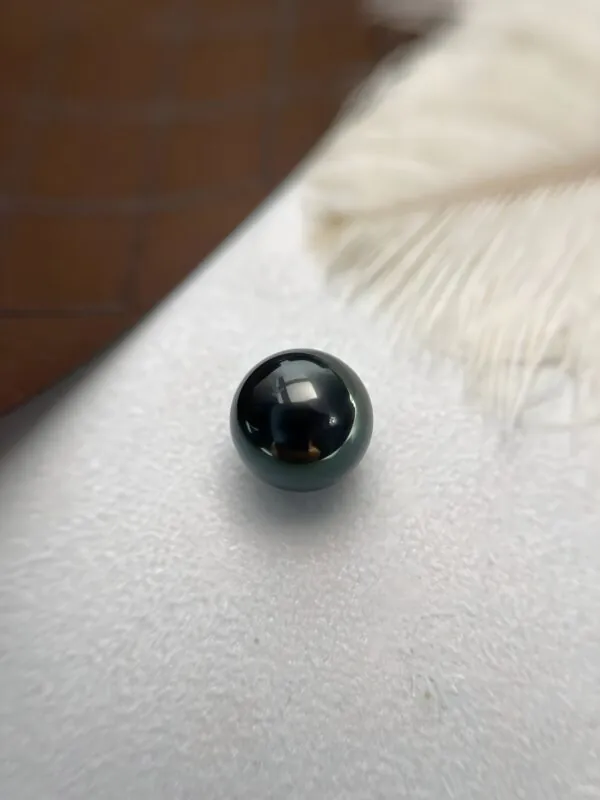
Saltwater pearls—especially Akoya pearls, but also Tahitian and South Sea varieties—are prized for their roundness and symmetry, making them ideal for timeless strands and elegant earrings. Their colors are iconic—Akoya’s rose overtones, Tahitian’s peacock hues, and South Sea’s golden glow.
Traditional freshwater pearls, meanwhile, offer a world of organic inspiration. They often form in baroque, potato, or button shapes, giving rise to unique and character-filled pieces. Their natural pastel palette—white, pink, lavender, and peach—is perfectly suited for both romantic and contemporary designs. If you want a broader overview of how these types sit inside the larger pearl world, see our guide to pearl classification.